 English
 שפה עברית
  Kurdî
Kurdî  Español
  Português
  русский
  tiếng Việt
  ภาษาไทย
  Malay
Malay  Türkçe
  العربية
  فارسی
فارسی  Burmese
  Français
  日本語
日本語  Deutsch
  Italiano
  Nederlands
  Polski
  한국어
한국어  Svenska
  magyar
  বাংলা ভাষার
  Dansk
Dansk  Suomi
Suomi  हिन्दी
  Pilipino
  Gaeilge
  Indonesia
  Norsk
Norsk  تمل
تمل  český
český  ελληνικά
  український
  Javanese
  தமிழ்
தமிழ்  తెలుగు
  नेपाली
  български
  ລາວ
ລາວ  Latine
  Қазақша
  Euskal
  Azərbaycan
  Slovenský jazyk
  Македонски
  Lietuvos
  Eesti Keel
  Română
  Slovenski

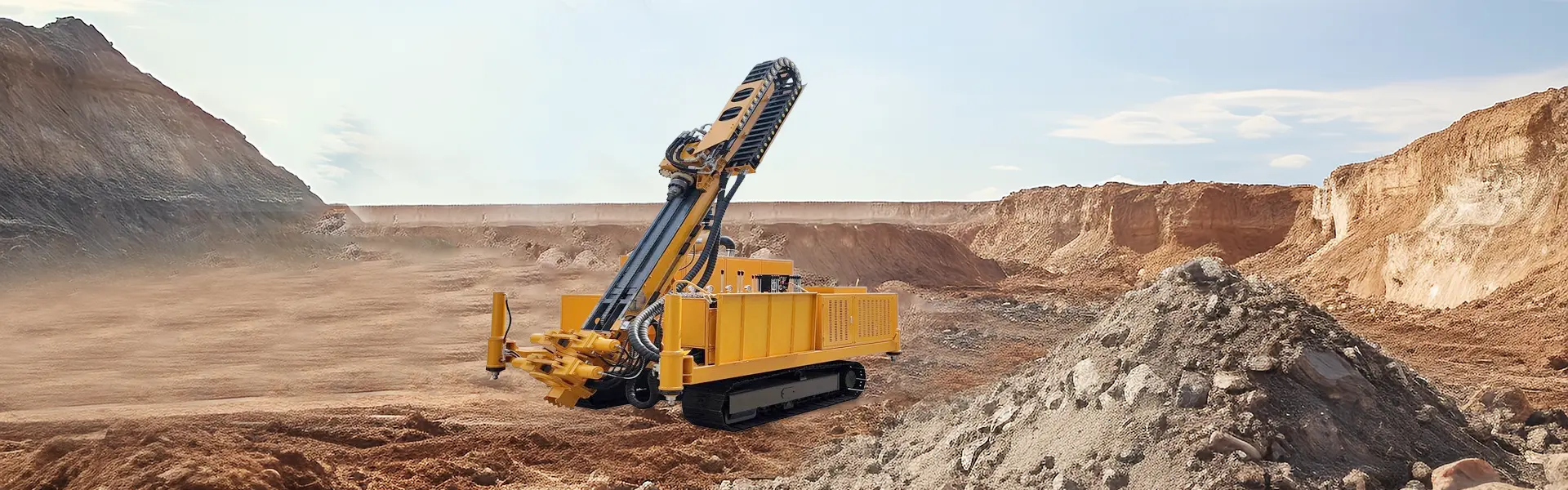
How Did a New Mining Drilling Rig Reduce Drilling Costs by 15%?
How Did a New Mining Drilling Rig Reduce Drilling Costs by 15%?
Background: The Challenge at the "Iron Ridge" Mine
The "Iron Ridge" open-pit iron ore mine was facing sustained pressure to reduce operating costs amidst fluctuating commodity prices. A detailed cost analysis identified drilling and blasting as a key target, accounting for approximately 20% of total mining costs. The mine's fleet of seven-year-old blasthole rigs suffered from declining availability (65%), high fuel consumption, inconsistent hole accuracy, and rising maintenance expenses. The goal was clear: achieve a 15% reduction in drilling cost per meter without compromising safety or blast fragmentation quality.
The Solution: Investing in a New-Generation, Smart Rig
After a thorough evaluation, the mine selected a new high-production, fully automated drilling rig, the "AutoDrill XT90," to replace two of its older units. The XT90 promised integrated technology focused on efficiency and precision.
Key Features Deployed:
GPS-Guided, Fully Automated Drilling: The rig could position itself and drill an entire pattern of holes unmanned, following a digital blast plan.
Advanced Telematics and Fleet Management: Real-time performance data was fed to the mine's control center.
Tier 4 Final Engine with ECO Mode: An intelligent engine management system reduced fuel burn during idle and low-load periods.
Automated Rod Handling: A robotic system handled all drill pipe additions/removals.
Implementation and Results
Over a six-month trial period, the performance of the two AutoDrill XT90 rigs was meticulously tracked and compared against the baseline established by the older fleet.
Quantifiable Outcomes Leading to 15% Cost Reduction:
20% Increase in Productive Meterage: Automation eliminated manual positioning and rod handling delays. The rigs could drill 24/7 with only short breaks for servicing. Availability jumped to 92%.
Cost Impact: Higher meterage spread fixed costs (depreciation, operator wages) over more output, lowering cost per meter.
18% Reduction in Fuel Consumption: The efficient engine, combined with ECO mode and reduced idle time from automation, led to significant fuel savings.
Cost Impact: Direct reduction in one of the largest variable costs.
35% Reduction in Drill Bit and Rod Consumption: The auto-drill system optimized drilling parameters, preventing excessive wear and damage. Furthermore, perfect hole straightness reduced side-wall friction and rod whipping.
Cost Impact: Major savings on consumables, a significant cost component.
Reduced Labor Requirements & Enhanced Safety: One operator in the control center could supervise multiple automated rigs. Personnel were removed from the hazardous blast face. There were zero recordable incidents associated with the new rigs.
Cost Impact: Lower labor cost per meter and reduced potential liability.
Improved Blast Outcomes: GPS precision ensured perfect hole spacing, depth, and alignment. This led to more consistent fragmentation, reducing secondary breaking and improving shovel dig rates.
Cost Impact: Downstream savings in loading, crushing, and milling costs, though these were attributed to the drilling/blasting department's KPIs.
The 15% Achievement:
The combined effect was a 16.2% reduction in total drilling cost per meter, surpassing the initial target. The calculation included all costs: capital depreciation, fuel, lubricants, maintenance, labor, and consumables.
Lessons Learned and Broader Implications
Technology Payback: The higher capital cost of the smart rig was offset within 14 months through operational savings.
Data is Critical: The telematics data provided insights for predictive maintenance, further preventing costly breakdowns.
Culture Change: Success required training and buy-in from veteran drillers who transitioned to the role of system supervisors and data analysts.
Conclusion
The "Iron Ridge" case study demonstrates that a strategic investment in a new-generation, intelligent drilling rig can deliver substantial and rapid financial returns. The 15% cost reduction was not achieved by a single miracle feature but through a holistic integration of automation, precision, efficiency, and data intelligence. This case provides a compelling blueprint for mines worldwide seeking to leverage technology to drive down costs and enhance competitiveness in a challenging market.
Send Inquiry



X
We use cookies to offer you a better browsing experience, analyze site traffic and personalize content. By using this site, you agree to our use of cookies.
Privacy Policy