 English
 שפה עברית
  Kurdî
Kurdî  Español
  Português
  русский
  tiếng Việt
  ภาษาไทย
  Malay
Malay  Türkçe
  العربية
  فارسی
فارسی  Burmese
  Français
  日本語
日本語  Deutsch
  Italiano
  Nederlands
  Polski
  한국어
한국어  Svenska
  magyar
  বাংলা ভাষার
  Dansk
Dansk  Suomi
Suomi  हिन्दी
  Pilipino
  Gaeilge
  Indonesia
  Norsk
Norsk  تمل
تمل  český
český  ελληνικά
  український
  Javanese
  தமிழ்
தமிழ்  తెలుగు
  नेपाली
  български
  ລາວ
ລາວ  Latine
  Қазақша
  Euskal
  Azərbaycan
  Slovenský jazyk
  Македонски
  Lietuvos
  Eesti Keel
  Română
  Slovenski


What Are the Most Common Troubleshooting Tips for Anchoring Rig Hydraulics?
What Are the Most Common Troubleshooting Tips for Anchoring Rig Hydraulics?
Hydraulic systems are the backbone of anchoring drilling rigs, powering critical functions such as drilling rotation, feed pressure, mast movement, and grouting operations. However, hydraulic issues are among the most frequent causes of rig downtime, often stemming from leaks, pressure drops, or component failures. Effective troubleshooting requires a systematic approach to diagnose and resolve problems quickly. This article explores common hydraulic problems in anchoring rigs and provides practical troubleshooting tips to restore performance.
1. Low Hydraulic Pressure or Power Loss
Symptoms: Slow drilling, weak feed force, or inability to lift loads.
Causes: Worn pump, clogged filters, low oil level, or pressure relief valve malfunctions.
Troubleshooting:
Check hydraulic oil level and top up if low. Inspect for leaks in hoses, seals, or cylinders.
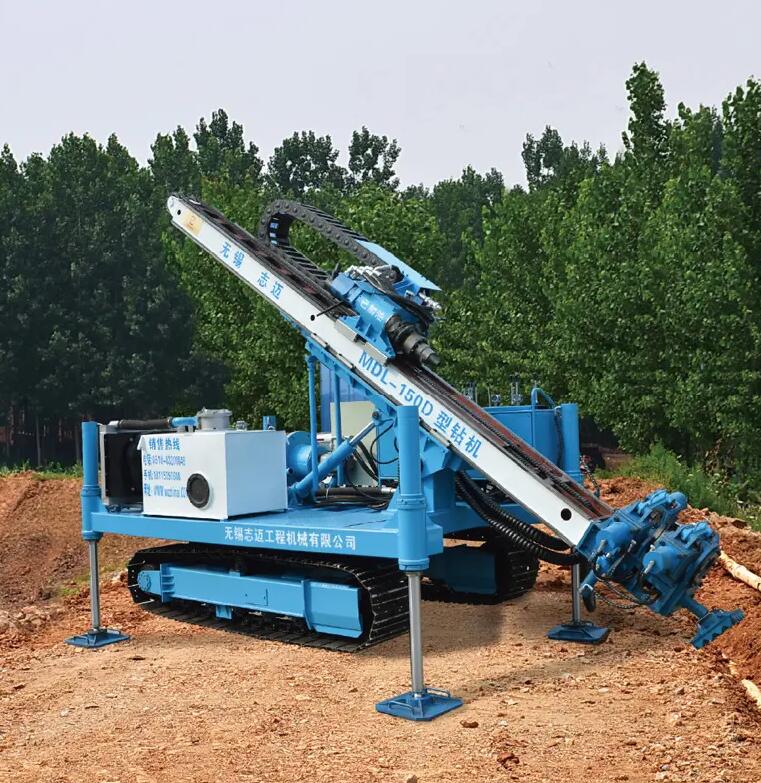
Replace clogged filters and ensure the oil is clean and free of air bubbles.
Test pressure relief valves for proper settings or sticking.
If the pump is noisy or overheating, it may need rebuilding or replacement.
2. Hydraulic Fluid Leaks
Symptoms: Visible oil puddles, decreased reservoir levels, or oily components.
Causes: Damaged seals, loose fittings, cracked hoses, or worn cylinder rods.
Troubleshooting:
Tighten loose connections but avoid over-tightening, which can damage threads.
Replace worn seals or O-rings, especially in cylinders and valve blocks.
Inspect hoses for cracks or bulges and replace them immediately.
Use UV dye or leak detection tools to pinpoint hard-to-find leaks.
3. Overheating Hydraulic System
Symptoms: Hot oil temperatures (>180°F/82°C), reduced efficiency, or fluid degradation.
Causes: Inadequate cooling, excessive pressure, contaminated oil, or blocked radiators.
Troubleshooting:
Clean the hydraulic cooler or radiator fins from dirt and debris.
Ensure the cooling fan is operational and the thermostat is functioning.
Check for restrictions in oil lines or overloaded circuits causing excessive pressure.
Replace oxidized or contaminated oil and flush the system if necessary.
4. Erratic or Uncontrolled Movements
Symptoms: Jerky cylinder actions, drifting loads, or uncommanded rig movements.
Causes: Air in the system, faulty control valves, or contaminated fluid.
Troubleshooting:
Bleed air from hydraulic lines by cycling cylinders slowly with the reservoir cap loose.
Inspect solenoid valves or proportional valves for sticking or electrical issues.
Test for contamination by checking fluid samples; install finer filters if needed.
5. Unusual Noises (Cavitation or Whining)
Symptoms: Whining, knocking, or grinding sounds from the pump or valves.
Causes: Cavitation due to low inlet pressure, aerated oil, or pump wear.
Troubleshooting:
Ensure the suction line is not restricted and the reservoir breather is clear.
Check for air leaks in suction lines and submerge the suction hose below oil level.
Replace worn pump components or the entire pump if noise persists.
6. Slow or Sluggish Operation
Symptoms: Delayed response in controls or reduced overall speed.
Causes: Worn pumps, internal leaks, or viscosity issues from incorrect oil.
Troubleshooting:
Verify oil viscosity matches manufacturer specifications for operating temperatures.
Conduct a pump efficiency test to check for internal wear.
Inspect directional valves for internal leakage or spool wear.
Preventive Measures:
Use high-quality hydraulic fluids and change them at recommended intervals.
Install condition monitoring sensors for pressure, temperature, and contamination.
Train operators to recognize early warning signs and perform routine checks.
By mastering these troubleshooting techniques, maintenance teams can address hydraulic problems promptly, reducing downtime and avoiding costly component replacements. Always consult the rig’s hydraulic schematics and manufacturer guidelines for model-specific advice.
Send Inquiry



X
We use cookies to offer you a better browsing experience, analyze site traffic and personalize content. By using this site, you agree to our use of cookies.
Privacy Policy