 English
 שפה עברית
  Kurdî
Kurdî  Español
  Português
  русский
  tiếng Việt
  ภาษาไทย
  Malay
Malay  Türkçe
  العربية
  فارسی
فارسی  Burmese
  Français
  日本語
日本語  Deutsch
  Italiano
  Nederlands
  Polski
  한국어
한국어  Svenska
  magyar
  বাংলা ভাষার
  Dansk
Dansk  Suomi
Suomi  हिन्दी
  Pilipino
  Gaeilge
  Indonesia
  Norsk
Norsk  تمل
تمل  český
český  ελληνικά
  український
  Javanese
  தமிழ்
தமிழ்  తెలుగు
  नेपाली
  български
  ລາວ
ລາວ  Latine
  Қазақша
  Euskal
  Azərbaycan
  Slovenský jazyk
  Македонски
  Lietuvos
  Eesti Keel
  Română
  Slovenski

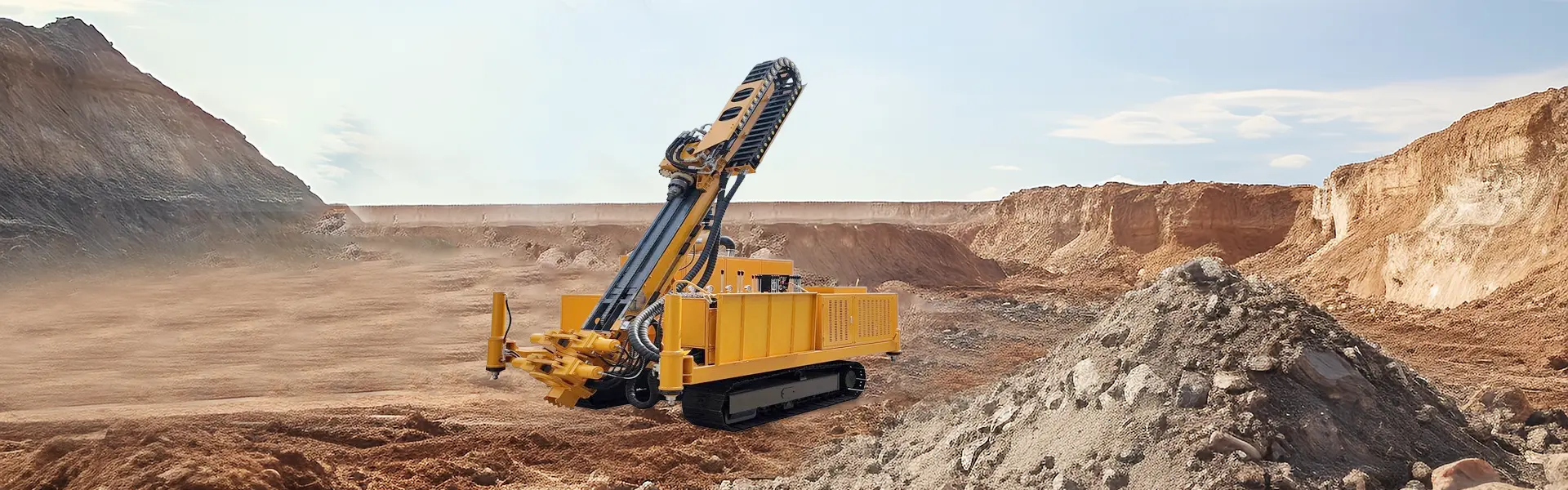
What Factors Determine the Diameter of a Column in Jet Grouting?
What Factors Determine the Diameter of a Column in Jet Grouting?
In jet grouting, column diameter is a critical parameter that directly influences the effectiveness, efficiency, and economy of soil improvement projects. Unlike conventional drilled shafts, jet-grouted columns are formed by eroding and mixing in-situ soil with high-pressure fluid jets, meaning their diameter is not fixed by a drill bit but depends on a complex interplay of factors. Understanding these variables is essential for designers and operators to achieve desired column dimensions and soil-cement properties. This article analyzes the key factors determining jet grouting column diameter, categorized into equipment, soil, operational, and design parameters.
1. Equipment and Technical Specifications
Jet Pressure and Flow Rate: Higher fluid pressure (typically 30–60 MPa) and flow rate increase erosion energy, enlarging column diameter. Triple-fluid systems often achieve larger diameters than single-fluid systems due to enhanced soil disruption.
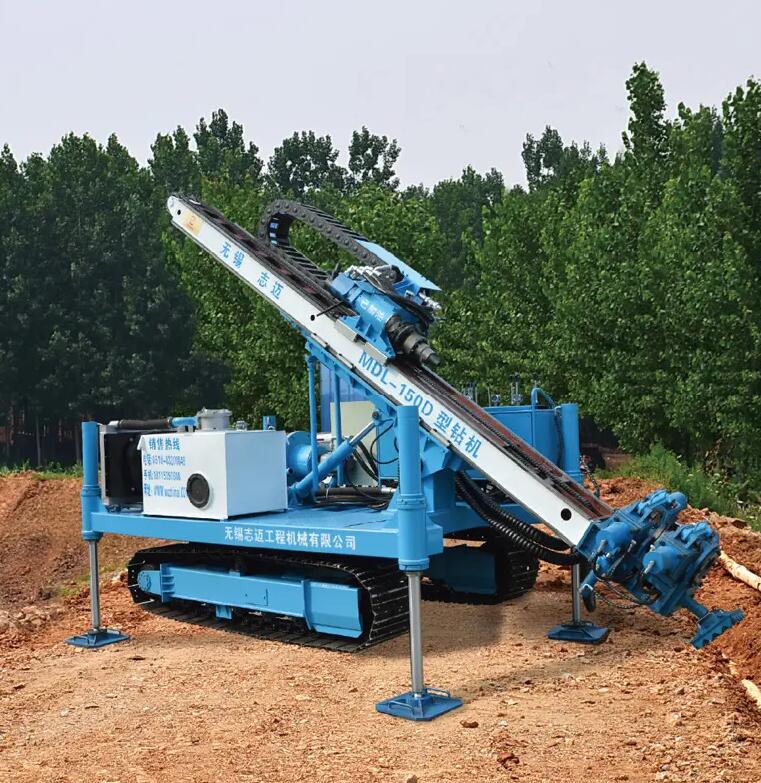
Nozzle Design: Nozzle diameter, number, and orientation affect jet velocity and spray pattern. Larger or multiple nozzles can widen the erosion zone.
Rotation and Withdrawal Speed: Slower rotation and withdrawal allow more energy delivery per depth, increasing diameter. However, excessive slowness may cause over-erosion and collapse.
Rig Type and Power: Advanced rigs with automated parameter control enable more consistent diameters across varied conditions.
2. Soil Characteristics
Soil Type and Density: Granular soils (sands, gravels) are more erodible, often yielding larger diameters than cohesive clays. Dense or cemented soils require higher energy input.
Grain Size Distribution: Well-graded soils with fines may limit jet penetration, reducing diameter. Clean sands or soft silts are ideal for larger columns.
Groundwater Conditions: High water tables can facilitate jet spreading, but may also wash away binder if not controlled.
In-Situ Stress: Overburden pressure in deep layers compresses the column, reducing diameter compared to shallow depths.
3. Operational Parameters
Grout Mix Properties: Viscosity, setting time, and density influence jet cohesion and soil mixing. Thixotropic grouts can maintain larger column shapes.
Air or Water Shrouding: In double/triple-fluid systems, shrouding jets preserve jet energy over longer distances, enlarging diameter.
Lifting Steps and Dwell Time: Some techniques use stepped withdrawal with pauses to enhance mixing and diameter.
4. Design and Execution Factors
Column Spacing and Overlap: Diameter must be designed to ensure overlap in column grids for walls or slabs.
Depth Considerations: Diameter often decreases with depth due to energy loss and soil confinement.
Quality Requirements: Larger diameters may be specified for load-bearing columns, while cut-off walls may prioritize continuity over size.
Practical Implications and Case Example
In a project to stabilize loose sand for a bridge abutment, target column diameter was 1.5 meters. Initial trials with single-fluid jetting at 40 MPa yielded only 1.1-meter diameters due to sand compaction. Switching to a triple-fluid system with 50 MPa pressure and slower withdrawal (10 cm/min) achieved the required diameter. Soil testing confirmed the improved uniformity and strength.
Monitoring and Adjustment
Real-time monitoring systems track parameters like pressure, flow, and torque, allowing operators to adjust settings dynamically. Post-construction verification via coring or CPT ensures diameter compliance.
Conclusion
Column diameter in jet grouting is not a constant but a controllable outcome shaped by equipment capabilities, soil response, and operational expertise. By optimizing these factors, engineers can tailor jet grouting to diverse geotechnical challenges, balancing performance with cost-effectiveness. As modeling and monitoring technologies advance, predicting and controlling column dimensions will become even more precise, further solidifying jet grouting’s role in modern foundation engineering.
Send Inquiry



X
We use cookies to offer you a better browsing experience, analyze site traffic and personalize content. By using this site, you agree to our use of cookies.
Privacy Policy