 English
 שפה עברית
  Kurdî
Kurdî  Español
  Português
  русский
  tiếng Việt
  ภาษาไทย
  Malay
Malay  Türkçe
  العربية
  فارسی
فارسی  Burmese
  Français
  日本語
日本語  Deutsch
  Italiano
  Nederlands
  Polski
  한국어
한국어  Svenska
  magyar
  বাংলা ভাষার
  Dansk
Dansk  Suomi
Suomi  हिन्दी
  Pilipino
  Gaeilge
  Indonesia
  Norsk
Norsk  تمل
تمل  český
český  ελληνικά
  український
  Javanese
  தமிழ்
தமிழ்  తెలుగు
  नेपाली
  български
  ລາວ
ລາວ  Latine
  Қазақша
  Euskal
  Azərbaycan
  Slovenský jazyk
  Македонски
  Lietuvos
  Eesti Keel
  Română
  Slovenski

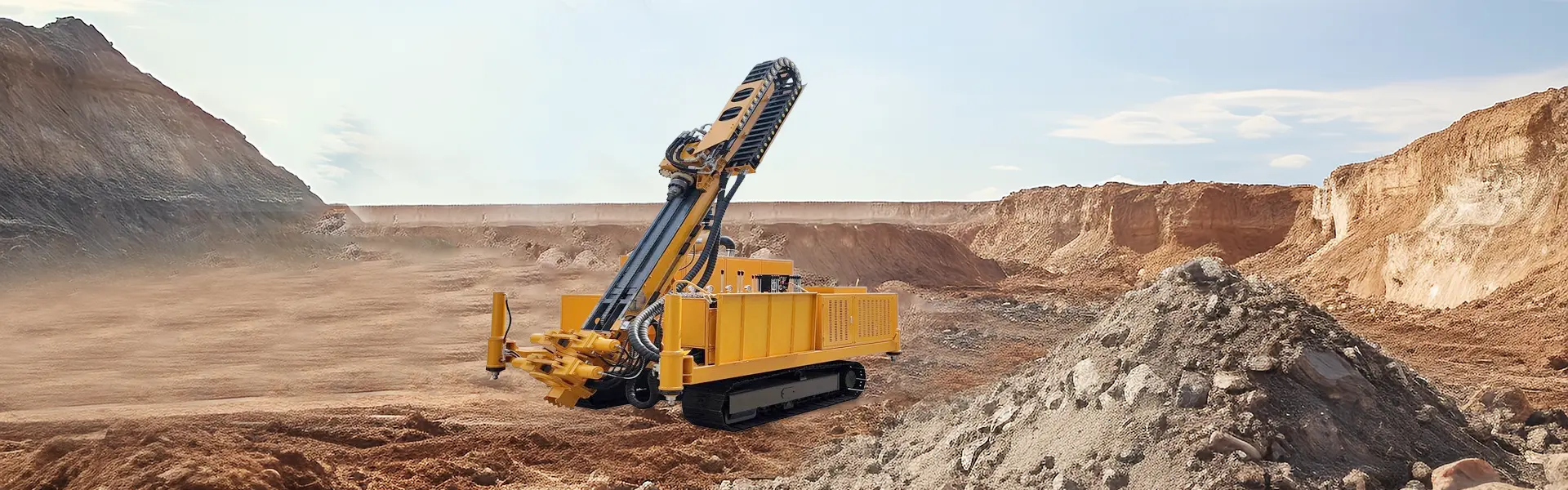
Can Jet Grouting Rigs Be Used for Creating Underground Cut-Off Walls?
Can Jet Grouting Rigs Be Used for Creating Underground Cut-Off Walls?
Underground cut-off walls are vertical barriers designed to control groundwater flow, contain contaminants, or provide structural support in geotechnical and environmental engineering. Traditionally, techniques like slurry walls, sheet piling, or diaphragm walls have been used for such purposes. However, jet grouting rigs have emerged as a versatile and effective alternative, especially in complex ground conditions or constrained sites. This article examines the feasibility, methods, and advantages of using jet grouting rigs to create underground cut-off walls, along with technical considerations and case study insights.
Principles of Jet Grouting for Cut-Off Walls
Jet grouting involves eroding in-situ soil with high-pressure fluid jets (grout, water, or air) and mixing it with cementitious binder to form columns, panels, or continuous barriers. For cut-off walls, overlapping jet-grouted columns are created sequentially to form a sealed vertical membrane. Three primary jet grouting methods can be applied:
Single Fluid System: High-pressure grout alone erodes and mixes with soil.
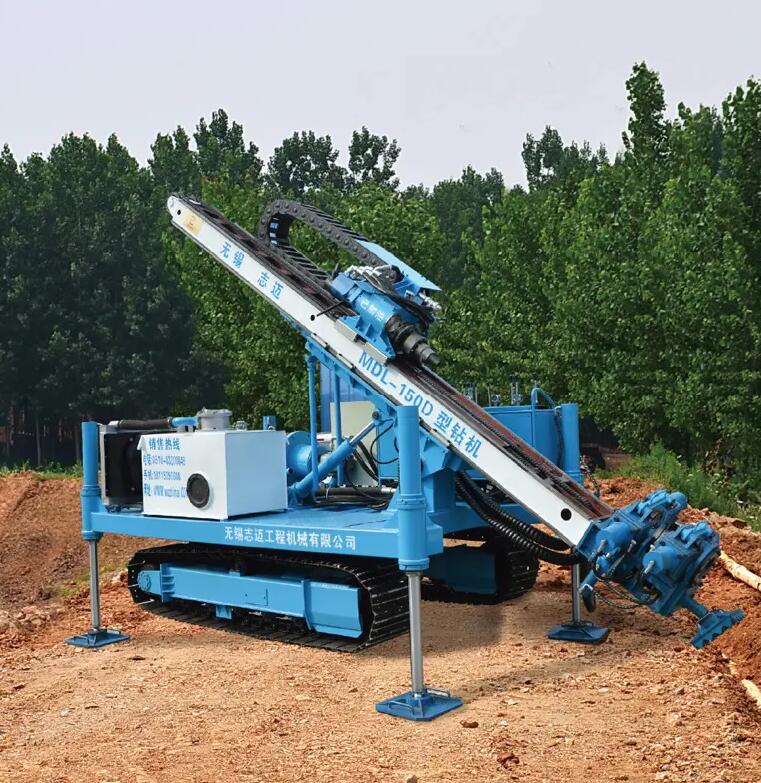
Double Fluid System: Grout jet is shrouded by an air jet to enhance erosion range.
Triple Fluid System: Separate water and air jets erode soil, followed by grout injection for mixing.
The triple-fluid system is often preferred for cut-off walls due to its ability to achieve larger column diameters and better homogeneity in diverse soils.
Advantages Over Conventional Methods
Adaptability: Jet grouting rigs can work in soils where traditional methods struggle, such as cobble layers, soft clays, or mixed face conditions.
Minimal Vibration: Unlike pile driving, jet grouting causes little vibration, making it suitable near sensitive structures.
No Need for Trenches: Eliminates the risks of trench collapse and reduces dewatering requirements.
Customizable Geometry: Walls can be constructed at varying depths (up to 50+ meters) and angles, including curved or irregular layouts.
Design and Construction Process
Site Investigation: Detailed soil profiling is critical to determine jetting parameters (pressure, rotation speed, withdrawal rate) and column overlap.
Layout and Sequencing: Columns are spaced at 70–90% of their diameter to ensure continuity. Primary and secondary column sequences are planned to avoid ground heave.
Real-Time Monitoring: Modern rigs integrate sensors to monitor flow, pressure, and column formation, allowing adjustments during construction.
Quality Verification: Core sampling, permeability tests, and geophysical methods confirm wall integrity and hydraulic performance.
Case Study: Contaminant Containment in an Industrial Site
A chemical plant in Europe required a cut-off wall to prevent leaching of pollutants into groundwater. Jet grouting was selected due to heterogeneous subsurface conditions (alternating sand and silt layers). Using triple-fluid jet grouting, a 1.2-meter-thick wall reaching 30 meters depth was constructed. Post-construction testing showed hydraulic conductivity below 10⁻⁷ cm/s, meeting stringent environmental standards. The project was completed 20% faster than slurry wall alternatives, with 40% less spoil generated.
Limitations and Challenges
Soil Restrictions: In highly permeable gravels or organic peats, achieving low permeability may require pre-treatment or modified grout mixes.
Quality Control: Inconsistent soil layers can lead to uneven column diameters, risking gaps in the wall. Rigorous monitoring is essential.
Cost Factors: Jet grouting can be more expensive per linear meter than slurry walls in simple soil conditions, though overall project savings may arise from reduced timelines and ancillary works.
Future Innovations
Emerging technologies like directional jet grouting and robotic drill guidance are enhancing precision for cut-off walls. Biopolymer grouts are also being tested to reduce the carbon footprint of barriers while maintaining performance.
Conclusion
Jet grouting rigs are not only capable of creating effective underground cut-off walls but often offer superior technical and environmental benefits in challenging scenarios. By enabling tailored, low-impact solutions, they have become a valuable tool for geotechnical and environmental engineers worldwide. Successful implementation hinges on thorough planning, expert operation, and robust quality assurance—proving that jet grouting is much more than a niche ground improvement technique.
Send Inquiry



X
We use cookies to offer you a better browsing experience, analyze site traffic and personalize content. By using this site, you agree to our use of cookies.
Privacy Policy