 English
 שפה עברית
  Kurdî
Kurdî  Español
  Português
  русский
  tiếng Việt
  ภาษาไทย
  Malay
Malay  Türkçe
  العربية
  فارسی
فارسی  Burmese
  Français
  日本語
日本語  Deutsch
  Italiano
  Nederlands
  Polski
  한국어
한국어  Svenska
  magyar
  বাংলা ভাষার
  Dansk
Dansk  Suomi
Suomi  हिन्दी
  Pilipino
  Gaeilge
  Indonesia
  Norsk
Norsk  تمل
تمل  český
český  ελληνικά
  український
  Javanese
  தமிழ்
தமிழ்  తెలుగు
  नेपाली
  български
  ລາວ
ລາວ  Latine
  Қазақша
  Euskal
  Azərbaycan
  Slovenský jazyk
  Македонски
  Lietuvos
  Eesti Keel
  Română
  Slovenski


How Often Should You Service the Power Pack on an Anchoring Drilling Rig?
How Often Should You Service the Power Pack on an Anchoring Drilling Rig?
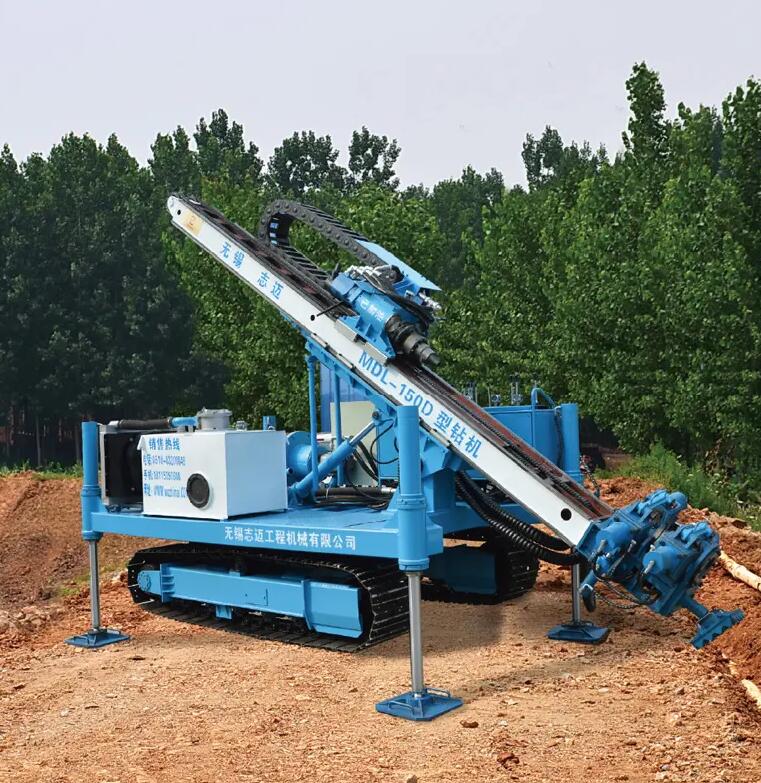
The power pack is the heart of an anchoring drilling rig, providing the hydraulic and electrical energy required for drilling, grouting, and anchoring operations. Typically comprising a diesel engine or electric motor, hydraulic pumps, valves, filters, and cooling systems, the power pack demands regular servicing to ensure reliability, efficiency, and safety. Inadequate maintenance can lead to sudden breakdowns, reduced performance, or even catastrophic failures on-site. This article outlines a comprehensive servicing schedule for anchoring rig power packs, based on industry standards and manufacturer recommendations.
1. Daily Servicing (Pre- and Post-Operation)
Checks:
Inspect fluid levels: engine oil, hydraulic oil, coolant, and fuel.
Look for leaks, loose connections, or damaged hoses.
Test start/stop functions and monitor gauges for abnormal readings.
Clean air intake vents and radiator fins to prevent overheating.
Action: Address minor issues immediately and record observations in a logbook.
2. Weekly Servicing
Checks:
Clean or replace air filters if operating in dusty environments.
Tighten belt tensions for engines or motors.
Check battery electrolyte levels and terminal cleanliness.
Inspect hydraulic filters for clogging indicators.
Action: Lubricate moving linkages and perform a thorough visual inspection.
3. Monthly Servicing
Checks:
Change hydraulic oil filters and inspect oil for contamination (using lab analysis if possible).
Test hydraulic pressure settings and adjust relief valves if needed.
Inspect fuel filters and water separators; drain accumulated water.
Examine electrical wiring for fraying or corrosion.
Action: Calibrate sensors and record performance data for trend analysis.
4. Quarterly (Every 250–500 Operating Hours)
Checks:
Replace hydraulic oil and flush the system if contamination is high.
Service the cooling system: check coolant concentration and test radiator caps.
Inspect pumps and motors for wear; rebuild or replace as necessary.
Clean and test the fuel injection system for diesel engines.
Action: Conduct a full operational test under load to verify performance.
5. Bi-Annual or Annual Servicing (Every 1,000–2,000 Hours)
Checks:
Overhaul major components: hydraulic pumps, control valves, and engine cylinders.
Replace all filters, hoses, and belts as preventive measures.
Inspect structural mounts and vibration dampeners for fatigue.
Verify compliance with emission standards (for diesel engines).
Action: Perform diagnostic tests using specialized equipment, such as thermographic cameras or vibration analyzers.
6. Condition-Based Servicing
Modern power packs often include telematics or IoT sensors that monitor parameters like oil temperature, pressure, and particle counts. Use this data to schedule servicing based on actual conditions rather than fixed intervals. For example, if oil degradation is detected early, change it before the scheduled time.
Factors Influencing Servicing Frequency:
Operating Environment: Harsh conditions (e.g., extreme temperatures, dust, or humidity) require more frequent servicing.
Workload Intensity: High-duty cycles or continuous heavy loads accelerate wear.
Age of Equipment: Older power packs may need more attentive maintenance.
Documentation and Professional Support:
Keep detailed service records, including dates, parts replaced, and technician notes. Engage certified technicians for complex tasks, especially those involving hydraulic or engine overhauls.
By adhering to this servicing schedule, operators can maximize the power pack’s lifespan, minimize unexpected failures, and ensure the anchoring rig operates at peak efficiency. Always prioritize manufacturer guidelines and adapt the schedule to your specific rig model and usage patterns.
Send Inquiry



X
We use cookies to offer you a better browsing experience, analyze site traffic and personalize content. By using this site, you agree to our use of cookies.
Privacy Policy