 English
 שפה עברית
  Kurdî
Kurdî  Español
  Português
  русский
  tiếng Việt
  ภาษาไทย
  Malay
Malay  Türkçe
  العربية
  فارسی
فارسی  Burmese
  Français
  日本語
日本語  Deutsch
  Italiano
  Nederlands
  Polski
  한국어
한국어  Svenska
  magyar
  বাংলা ভাষার
  Dansk
Dansk  Suomi
Suomi  हिन्दी
  Pilipino
  Gaeilge
  Indonesia
  Norsk
Norsk  تمل
تمل  český
český  ελληνικά
  український
  Javanese
  தமிழ்
தமிழ்  తెలుగు
  नेपाली
  български
  ລາວ
ລາວ  Latine
  Қазақша
  Euskal
  Azərbaycan
  Slovenský jazyk
  Македонски
  Lietuvos
  Eesti Keel
  Română
  Slovenski

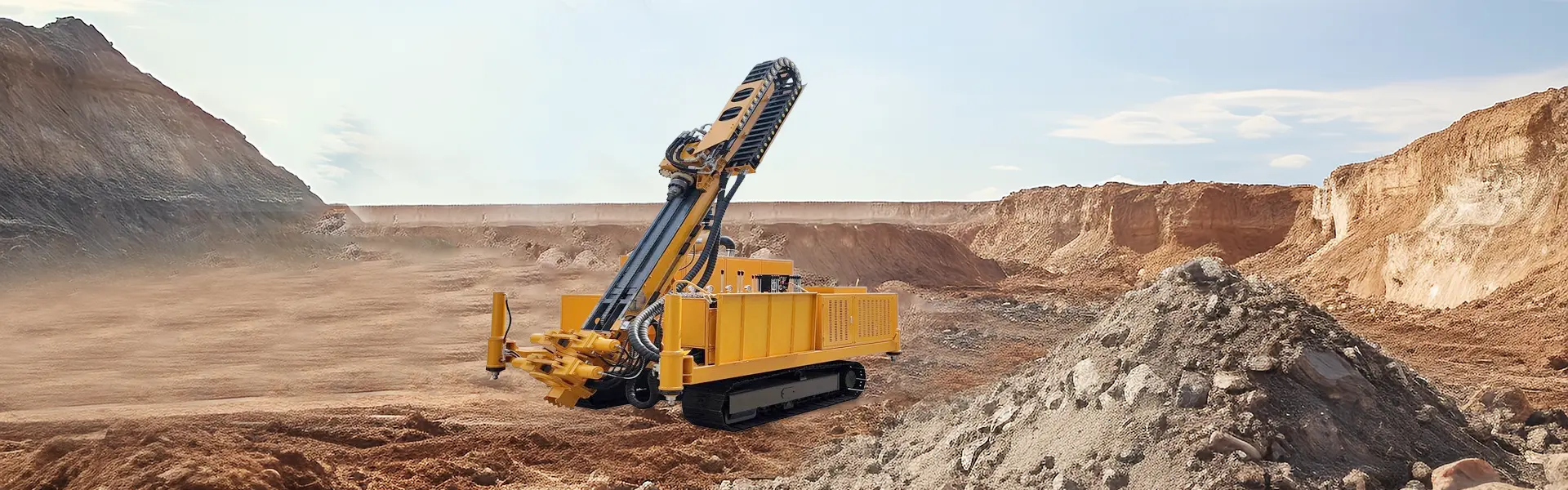
What Are the Environmental Benefits of Using a High Pressure Jet Grouting Rig?
What Are the Environmental Benefits of Using a High Pressure Jet Grouting Rig?
High pressure jet grouting rigs represent a significant advancement in geotechnical engineering, offering both technical and environmental advantages over conventional drilling and grouting methods. These specialized rigs utilize ultra-high-pressure fluid jets (typically water, grout, or air) to erode and mix in-situ soil, creating controlled columns, panels, or blocks of improved soil-cement material. As global construction practices increasingly prioritize sustainability, understanding the environmental benefits of these systems becomes essential. This article explores how high-pressure jet grouting rigs contribute to greener construction through reduced waste, lower emissions, enhanced site safety, and long-term ecological stability.
1. Minimized Soil Excavation and Spoil Generation
Traditional foundation methods often require extensive soil excavation, which generates substantial spoil that must be transported and disposed of in landfills. Jet grouting rigs, by contrast, treat soil in place without removal. The high-pressure jets blend native soil with cementitious grout, transforming it into a stable composite. This process drastically reduces the volume of waste material—by up to 70–90% in many projects. Less spoil means fewer truck trips for hauling, lowering fuel consumption, road wear, and associated carbon emissions. It also minimizes the need for disposal sites, preserving natural landscapes and reducing soil contamination risks.
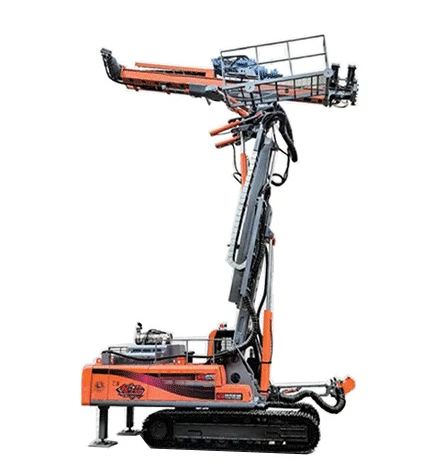
2. Reduced Chemical and Water Usage
Jet grouting rigs are highly efficient in material utilization. The grout mix is injected under precise pressure and flow control, ensuring optimal penetration with minimal overspill. Compared to traditional slurry wall construction or deep soil mixing, jet grouting typically uses less cement and water per unit volume of treated soil. Advanced rigs equipped with automated batching and recycling systems can collect and reuse return fluids, further conserving water and reducing chemical discharge into the environment. This closed-loop approach aligns with circular economy principles, minimizing resource depletion and groundwater pollution.
3. Lower Energy Consumption and Carbon Footprint
The operational efficiency of modern jet grouting rigs contributes to lower energy use. High-pressure pumps and smart control systems optimize power delivery, reducing idle times and energy waste. Moreover, because jet grouting often eliminates the need for temporary shoring, dewatering, or extensive earthworks, overall project energy demand decreases. A study comparing jet grouting to sheet piling for cut-off walls found that the former could reduce CO₂ emissions by 30–40% due to reduced material transport and shorter construction schedules. Electric or hybrid power pack options are also emerging, further cutting fossil fuel dependence.
4. Enhanced Groundwater and Ecosystem Protection
Jet grouting is effective in creating impermeable barriers (cut-off walls) that contain contaminants or prevent groundwater infiltration. This is crucial for projects near sensitive ecosystems, rivers, or coastal areas. By sealing pollutant plumes or preventing saltwater intrusion, jet grouting rigs help protect aquatic habitats and drinking water sources. The technique also reduces vibration and noise compared to pile driving or dynamic compaction, minimizing disturbance to wildlife and surrounding communities.
5. Improved Site Safety and Long-Term Stability
Environmental benefits extend to human health and safety. Jet grouting produces no harmful vapors or byproducts when using standard cement-based grouts. The process stabilizes soil without causing significant ground heave or settlement, reducing risks to adjacent structures and infrastructure. Long-term durability of jet-grouted elements decreases the likelihood of future repairs or interventions, leading to lower lifetime environmental impacts. In earthquake-prone regions, soil improvement via jet grouting can mitigate liquefaction risks, enhancing community resilience.
6. Adaptability to Sustainable Urban Development
In dense urban areas, jet grouting rigs offer space-efficient solutions for underground construction, such as tunnel portals or basement excavations. Their ability to work in confined spaces reduces the need for extensive site clearance, preserving green spaces and urban trees. Additionally, the technique supports brownfield redevelopment by stabilizing contaminated soils in situ, avoiding costly and disruptive excavation.
Conclusion
High-pressure jet grouting rigs are not merely tools for ground improvement—they are enablers of sustainable geotechnical practice. By minimizing waste, conserving resources, lowering emissions, and protecting ecosystems, these advanced systems help meet the construction industry’s growing environmental responsibilities. As technology evolves with greener power sources and biodegradable grout materials, their ecological advantages will only increase. Engineers and project planners should consider jet grouting not only for its technical merits but also as a strategic choice for reducing environmental footprint.
Send Inquiry



X
We use cookies to offer you a better browsing experience, analyze site traffic and personalize content. By using this site, you agree to our use of cookies.
Privacy Policy