 English
 שפה עברית
  Kurdî
Kurdî  Español
  Português
  русский
  tiếng Việt
  ภาษาไทย
  Malay
Malay  Türkçe
  العربية
  فارسی
فارسی  Burmese
  Français
  日本語
日本語  Deutsch
  Italiano
  Nederlands
  Polski
  한국어
한국어  Svenska
  magyar
  বাংলা ভাষার
  Dansk
Dansk  Suomi
Suomi  हिन्दी
  Pilipino
  Gaeilge
  Indonesia
  Norsk
Norsk  تمل
تمل  český
český  ελληνικά
  український
  Javanese
  தமிழ்
தமிழ்  తెలుగు
  नेपाली
  български
  ລາວ
ລາວ  Latine
  Қазақша
  Euskal
  Azərbaycan
  Slovenský jazyk
  Македонски
  Lietuvos
  Eesti Keel
  Română
  Slovenski

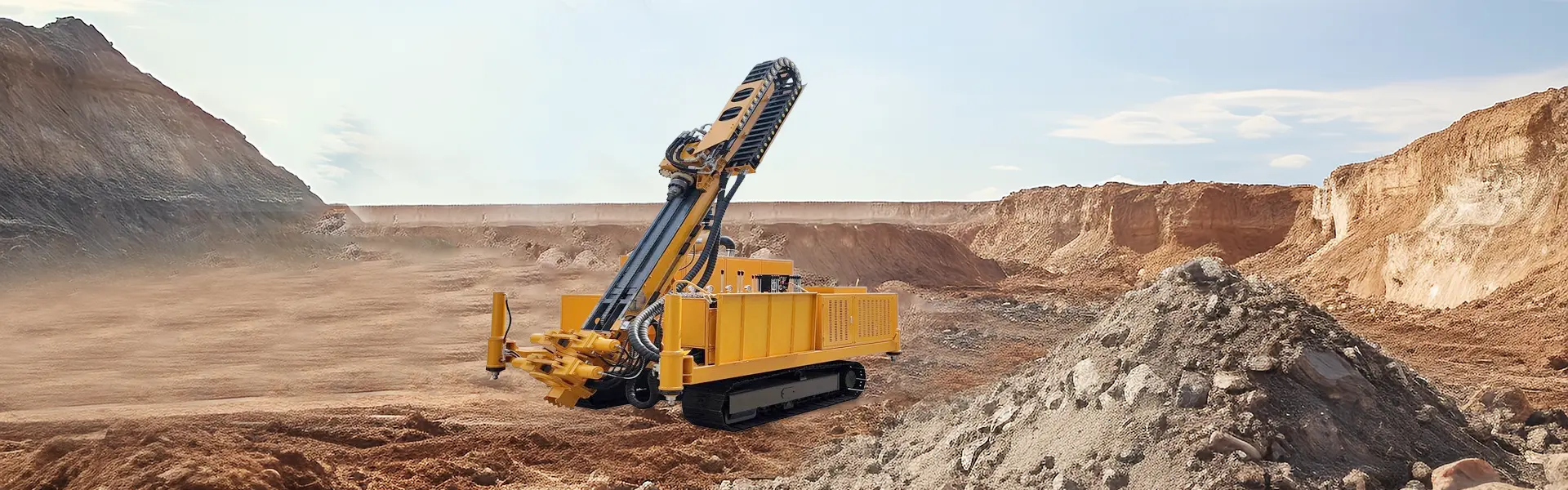
What Safety Protocols Are Essential for Operating an Anchoring Drilling Rig?
What Safety Protocols Are Essential for Operating an Anchoring Drilling Rig?
Operating an anchoring drilling rig involves significant hazards, including heavy machinery movement, high-pressure fluids, rotating drill strings, overhead loads, and potential for ground collapse. A robust safety protocol is not merely a regulatory requirement but a fundamental operational framework that protects personnel, equipment, and the public. It is built on a foundation of comprehensive planning, rigorous training, and a culture of continuous vigilance.
Pre-Operational Planning and Site-Specific Risk Assessment form the cornerstone of safety. Before the rig arrives, a detailed Job Safety Analysis (JSA) or Task Risk Assessment (TRA) must be conducted. This involves reviewing geotechnical reports to identify risks like underground utilities (requiring precise locating and potholing), unstable slopes, or high groundwater. The JSA should define safe work zones, exclusion areas for non-essential personnel, traffic management plans, and emergency procedures. A critical pre-start check of the rig itself is mandatory, covering hydraulic systems, brakes, guards, emergency stops, wire ropes, and all safety interlocks. Any defect must be tagged and rectified before work begins.
Personal Protective Equipment (PPE) and Personnel Safety are non-negotiable. All personnel on site must wear appropriate PPE as a minimum barrier against ever-present risks. This includes a hard hat, high-visibility clothing, safety boots with steel toe caps and puncture-resistant soles, hearing protection (especially for percussive drilling), and safety glasses. During specific tasks, additional PPE such as gloves (anti-vibration for hand-tool use), face shields during grinding or welding, and fall arrest harnesses when working at height are essential. Rigorous enforcement of PPE policy is a basic but vital duty of site supervision.
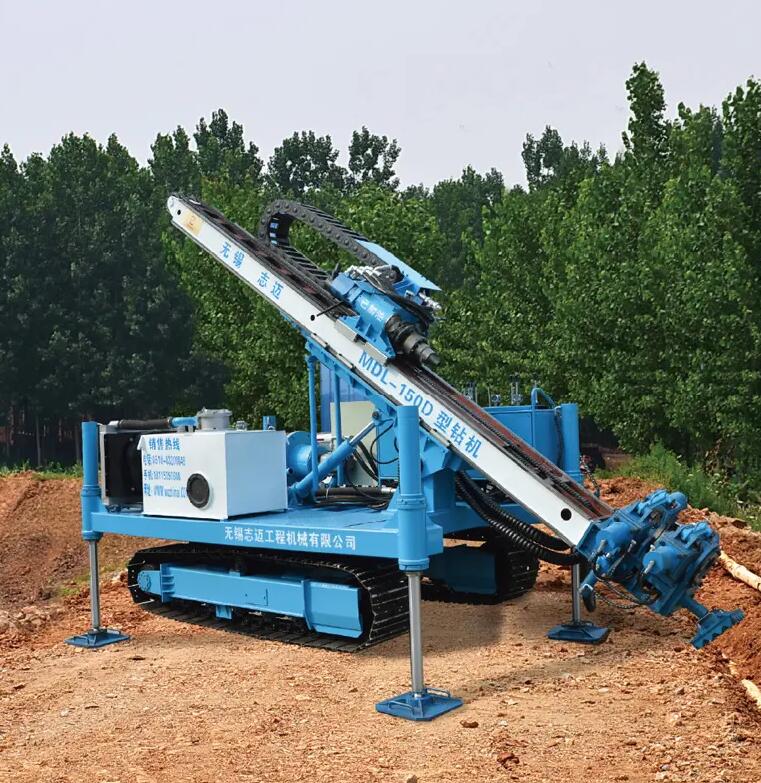
Safe Rig Positioning and Set-Up is critical to prevent catastrophic incidents. The rig must be positioned on stable, level ground, often requiring engineered mats or compacted fill to distribute its weight and prevent settlement or tipping. The set-up area must be clear of overhead power lines; maintaining a strict minimum safe distance is paramount. Outriggers or stabilizers must be fully deployed on solid footings before any drilling begins. For rigs with masts or leaders, the swing radius must be clearly marked as a danger zone where no personnel should stand during operation.
Operational Safety During Drilling requires constant attention. A key rule is that no one should be near the rotating drill string or under suspended loads (e.g., casings, hammers). Communication between the driller and the pipe handler must be clear, using standardized hand signals or radios. All connections and disconnections of drill tools must be done with the rotation and feed systems in a locked-out state. When using high-pressure air or fluid systems, hoses and connections must be regularly inspected for wear, and pressure must be released slowly and safely before any maintenance. The hazard of kickback or "string wrap"—where the drill string can suddenly reverse torque—is ever-present, necessitating a firm stance and secure handholds for the driller.
Handling of Materials and Hazardous Substances presents further risks. The manual handling of heavy drill rods, casings, and anchor tendons requires proper lifting techniques and, where possible, mechanical aids. Bentonite and chemical admixtures for drilling fluid must be handled according to their safety data sheets (SDS), with precautions against inhalation or skin contact. Waste fluids and cuttings must be managed and disposed of in an environmentally responsible manner to prevent site contamination.
Finally, a strong Safety Culture and Emergency Preparedness bind all protocols together. This includes daily pre-shift safety meetings (toolbox talks), clear signage, and an environment where every worker is empowered to "STOP WORK" if an unsafe condition is observed. All personnel must be trained in first aid and CPR, and know the location of first aid kits, eyewash stations, and fire extinguishers. A site-specific emergency response plan, including contacts for medical services and procedures for reporting incidents, must be communicated to everyone on site.
In essence, safety in anchoring drilling operations is a multi-layered defense. It starts with thorough planning, is enforced through equipment checks and PPE, is maintained via vigilant operational practices, and is sustained by a collective commitment to looking out for one another. Adherence to these protocols transforms a potentially hazardous worksite into a controlled engineering environment where the focus remains on achieving technical excellence without compromising human well-being.
Send Inquiry



X
We use cookies to offer you a better browsing experience, analyze site traffic and personalize content. By using this site, you agree to our use of cookies.
Privacy Policy