 English
 שפה עברית
  Kurdî
Kurdî  Español
  Português
  русский
  tiếng Việt
  ภาษาไทย
  Malay
Malay  Türkçe
  العربية
  فارسی
فارسی  Burmese
  Français
  日本語
日本語  Deutsch
  Italiano
  Nederlands
  Polski
  한국어
한국어  Svenska
  magyar
  বাংলা ভাষার
  Dansk
Dansk  Suomi
Suomi  हिन्दी
  Pilipino
  Gaeilge
  Indonesia
  Norsk
Norsk  تمل
تمل  český
český  ελληνικά
  український
  Javanese
  தமிழ்
தமிழ்  తెలుగు
  नेपाली
  български
  ລາວ
ລາວ  Latine
  Қазақша
  Euskal
  Azərbaycan
  Slovenský jazyk
  Македонски
  Lietuvos
  Eesti Keel
  Română
  Slovenski

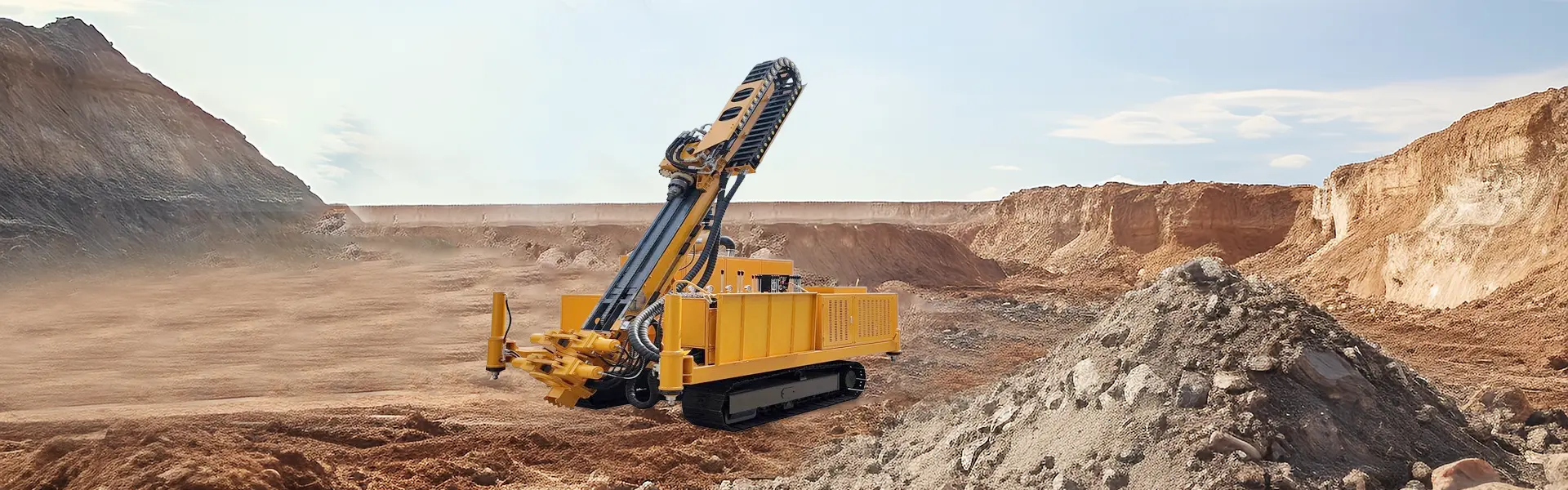
How to Choose the Right Drilling Method for Your Anchoring Project?
How to Choose the Right Drilling Method for Your Anchoring Project?
Selecting the optimal drilling method for an anchoring project is a critical engineering decision that directly impacts safety, efficiency, cost, and long-term performance. It is not a one-size-fits-all proposition but a structured evaluation balancing geological conditions, project specifications, environmental constraints, and available technology. The right choice ensures a secure, durable anchor while minimizing ground disturbance and operational risk.
The primary and most influential factor is the geotechnical profile. A comprehensive site investigation report is the foundational document. The drilling method must be compatible with the soil and rock behavior. For instance, in unconsolidated soils (sand, gravel, loose fill) where borehole stability is the chief concern, methods that provide continuous support are mandatory. Casing advancement systems (oscillatory, rotary, or top-drive) are ideal here, as they install a temporary steel sleeve concurrently with drilling to prevent collapse. Alternatively, flush drilling with stable drilling fluid (bentonite slurry) can be used to maintain hydrostatic pressure against the borehole walls. In competent rock, the priority shifts to efficient penetration. Down-the-hole hammer (DTH) drilling, which uses compressed air to power a hammer at the bit face, is highly effective for most hard rock, offering excellent penetration rates and a clean hole. For fractured or weathered rock, casing while drilling with a DTH inside a driven casing may be necessary to bridge voids and prevent tool sticking.
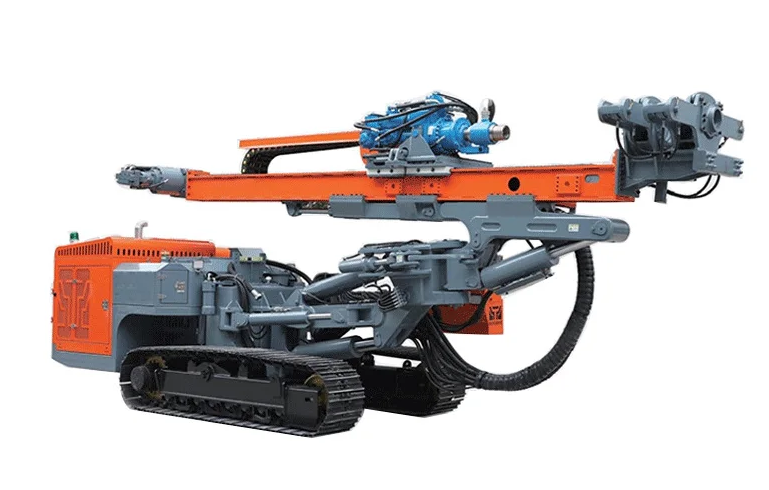
Project-specific requirements impose the next layer of constraints. The anchor type and design load are paramount. A high-capacity, permanent tendon anchor for a dam will demand a precise, straight, and clean borehole—often requiring sophisticated methods like cored drilling or dual-rotary casing systems—to ensure perfect grout encapsulation. In contrast, temporary soil nailing for an excavation might allow for simpler, faster methods like hollow stem augering. Borehole geometry (diameter, depth, inclination) also dictates the choice. Very deep or large-diameter holes require rigs with significant power and pull-back capacity, often favoring top-drive rotary methods. Horizontal or upward-inclined anchors eliminate the use of fluid-based stabilization, pushing the selection towards casing or air-flush systems.
Environmental and site constraints are increasingly decisive. In urban areas or near sensitive structures, noise, vibration, and ground displacement must be minimized. This rules out high-impact methods like traditional pile driving or some percussive techniques. Silent and low-vibration technologies, such as hydraulic casing oscillators or sonic (vibratory) drilling, are often specified despite higher costs. Similarly, projects with strict contamination control (e.g., near waterways) may prohibit the use of bentonite slurry, favoring air-based systems or biodegradable polymers. Limited site access or headroom might favor compact, track-mounted multi-functional rigs over larger, conventional equipment.
Finally, a practical assessment of resources and economics is required. This includes the availability of specific rig types, operator expertise, project timeline, and budget. While a highly specialized method might be technically superior, the mobilization cost and limited availability of the equipment could render it impractical for a small project. The versatility of a multi-functional drilling rig often presents an optimal solution, as it can adapt to changing subsurface conditions and perform multiple methods, reducing the risk of costly stoppages. The decision matrix must weigh the capital and operational costs against the risks of method failure, which can include anchor underperformance, project delays, and safety incidents.
In conclusion, choosing the right drilling method is a multi-disciplinary exercise. It requires a dialogue between the geotechnical engineer, the contractor, and the drilling specialist. The process involves: 1) analyzing the geotechnical data to understand ground behavior, 2) defining the anchor's technical requirements, 3) assessing environmental and site limitations, and 4) evaluating available resources and cost-effectiveness. By systematically following this process, project teams can select a drilling method that is not only technically sound but also constructible, compliant, and economical, ensuring the foundational integrity of the anchored structure.
Send Inquiry



X
We use cookies to offer you a better browsing experience, analyze site traffic and personalize content. By using this site, you agree to our use of cookies.
Privacy Policy