 English
 שפה עברית
  Kurdî
Kurdî  Español
  Português
  русский
  tiếng Việt
  ภาษาไทย
  Malay
Malay  Türkçe
  العربية
  فارسی
فارسی  Burmese
  Français
  日本語
日本語  Deutsch
  Italiano
  Nederlands
  Polski
  한국어
한국어  Svenska
  magyar
  বাংলা ভাষার
  Dansk
Dansk  Suomi
Suomi  हिन्दी
  Pilipino
  Gaeilge
  Indonesia
  Norsk
Norsk  تمل
تمل  český
český  ελληνικά
  український
  Javanese
  தமிழ்
தமிழ்  తెలుగు
  नेपाली
  български
  ລາວ
ລາວ  Latine
  Қазақша
  Euskal
  Azərbaycan
  Slovenský jazyk
  Македонски
  Lietuvos
  Eesti Keel
  Română
  Slovenski

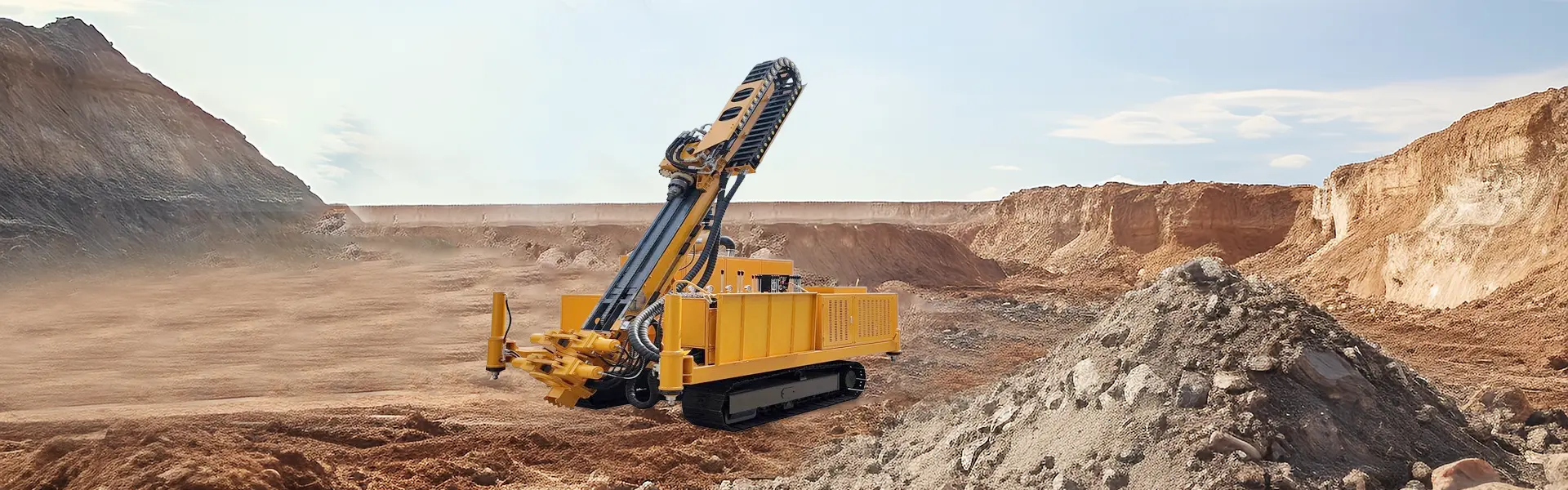
Nozzle Specification Selection Method for High-Pressure Rotary Jet Drilling Rigs
Nozzle Specification Selection Method for High-Pressure Rotary Jet Drilling Rigs
Nozzle specification is a key factor affecting jet pressure, grout diffusion range, and pile forming quality of high-pressure rotary jet drilling rigs, and scientific selection must be based on construction technology, stratum conditions, and design requirements. Nozzle specifications are mainly divided by aperture, number, and structure, with common aperture specifications of 1.8mm, 2.0mm, 2.2mm, 2.5mm, and 3.0mm. First, select according to construction process types.
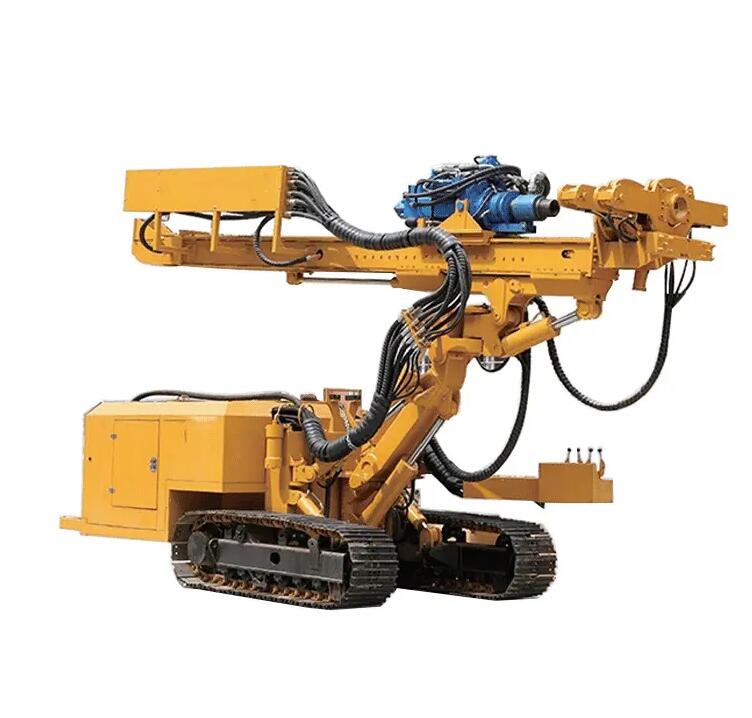
For single-pipe rotary jet grouting with simple process and small pile diameter design, select single-hole nozzle with 2.0–2.5mm aperture, which ensures stable slurry jet pressure and meets the forming requirements of conventional small-diameter piles. For double-pipe and triple-pipe processes with large pile diameter and high reinforcement requirements, adopt multi-hole combined nozzles, match 1.8–2.2mm high-pressure water nozzles and 2.5–3.0mm slurry nozzles, and cooperate with air nozzles to realize layered jet cutting and grout diffusion. Second, match nozzle aperture according to stratum hardness. For soft soil, silt, and fill strata with low hardness, select large-aperture nozzles (2.5–3.0mm) to increase grout flow and expand pile diameter coverage.
For medium-hard clay and weathered rock strata, adopt medium-aperture nozzles (2.0–2.5mm) to balance jet cutting force and grout flow. For hard compacted soil and gravel strata, select small-aperture high-pressure resistant nozzles (1.8–2.0mm) to improve jet flow velocity and cutting force, ensuring effective stratum breaking. Third, adjust according to design pile diameter and construction depth. Shallow small-diameter pile construction adopts small-aperture single nozzles, while deep large-diameter pile reinforcement requires multi-hole nozzles to improve grout uniformity and diffusion range. In addition, prioritize high-precision wear-resistant alloy nozzles for long-term construction to avoid aperture wear and pressure attenuation. Before formal construction, conduct nozzle test jetting, detect jet pressure and flow matching effect, and optimize nozzle specifications according to test results to ensure pile forming quality meets design standards.
Send Inquiry



X
We use cookies to offer you a better browsing experience, analyze site traffic and personalize content. By using this site, you agree to our use of cookies.
Privacy Policy