 English
 שפה עברית
  Kurdî
Kurdî  Español
  Português
  русский
  tiếng Việt
  ภาษาไทย
  Malay
Malay  Türkçe
  العربية
  فارسی
فارسی  Burmese
  Français
  日本語
日本語  Deutsch
  Italiano
  Nederlands
  Polski
  한국어
한국어  Svenska
  magyar
  বাংলা ভাষার
  Dansk
Dansk  Suomi
Suomi  हिन्दी
  Pilipino
  Gaeilge
  Indonesia
  Norsk
Norsk  تمل
تمل  český
český  ελληνικά
  український
  Javanese
  தமிழ்
தமிழ்  తెలుగు
  नेपाली
  български
  ລາວ
ລາວ  Latine
  Қазақша
  Euskal
  Azərbaycan
  Slovenský jazyk
  Македонски
  Lietuvos
  Eesti Keel
  Română
  Slovenski

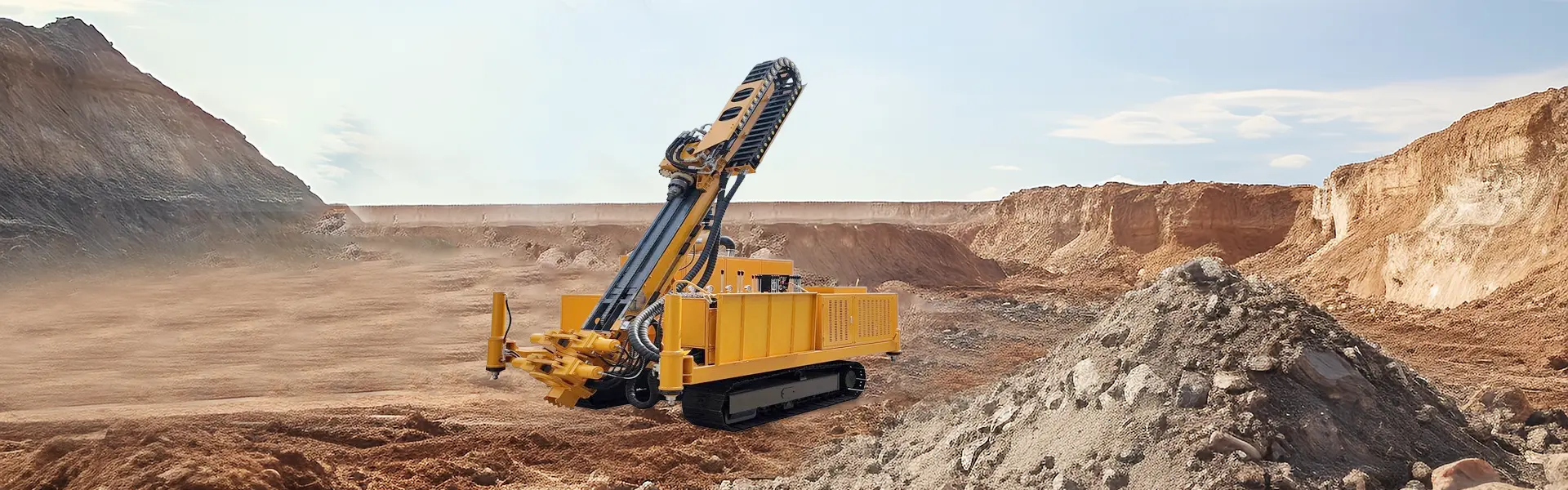
What's the ROI of Upgrading to a New, More Efficient Mining Drilling Rig?
What's the ROI of Upgrading to a New, More Efficient Mining Drilling Rig?
Fleet owners asking "What's the ROI of upgrading to a new, more efficient mining drilling rig?" are finding compelling answers in real‑world production data. A modern rig equipped with a variable frequency drive (VFD) rotary head and automated drill cycle logic typically consumes 20‑30% less fuel per meter drilled compared to a decade‑old hydraulic machine. Lower fuel consumption directly reduces operating costs, but the real gains come from penetration rate.
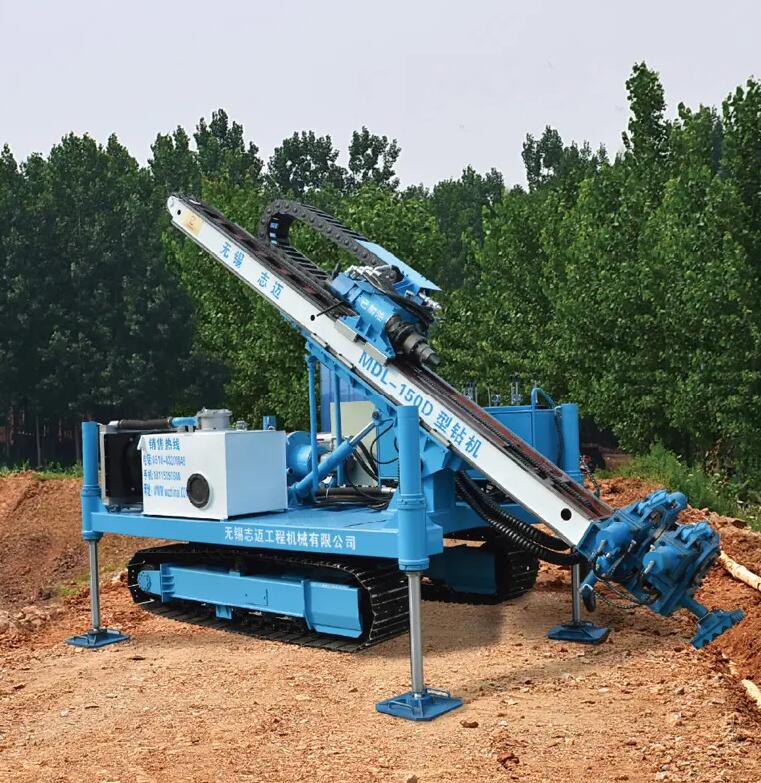
New rigs with intelligent feed control adjust pull‑down and rotation speed in real time, increasing meters per hour by an average of 18% in hard rock conditions. Additionally, reduced maintenance downtime, as modern rigs have 40% fewer hydraulic hoses and centralized grease points, adds another 150‑200 productive hours per year. When calculating ROI, owners should include lower operator fatigue, which reduces turnover, and higher safety compliance, which lowers insurance premiums.
A typical payback period for upgrading a surface blast hole rig ranges from 14 to 24 months, depending on annual operating hours. After the payback period, the remaining 5‑8 years of the rig's life deliver pure profit. For mines drilling more than 50,000 meters per year, the ROI often exceeds 40% annually, making the upgrade not just an option but a competitive necessity.
Send Inquiry



X
We use cookies to offer you a better browsing experience, analyze site traffic and personalize content. By using this site, you agree to our use of cookies.
Privacy Policy