 English
 שפה עברית
  Kurdî
Kurdî  Español
  Português
  русский
  tiếng Việt
  ภาษาไทย
  Malay
Malay  Türkçe
  العربية
  فارسی
فارسی  Burmese
  Français
  日本語
日本語  Deutsch
  Italiano
  Nederlands
  Polski
  한국어
한국어  Svenska
  magyar
  বাংলা ভাষার
  Dansk
Dansk  Suomi
Suomi  हिन्दी
  Pilipino
  Gaeilge
  Indonesia
  Norsk
Norsk  تمل
تمل  český
český  ελληνικά
  український
  Javanese
  தமிழ்
தமிழ்  తెలుగు
  नेपाली
  български
  ລາວ
ລາວ  Latine
  Қазақша
  Euskal
  Azərbaycan
  Slovenský jazyk
  Македонски
  Lietuvos
  Eesti Keel
  Română
  Slovenski


How Does Dust Control Impact the Maintenance of a Mining Drilling Rig?
How Does Dust Control Impact the Maintenance of a Mining Drilling Rig?
Dust is more than a health hazard; it is a mechanical destroyer. Understanding how dust control impacts the maintenance of a mining drilling rig reveals a direct link between air quality systems and component longevity. Effective dust suppression, whether through water injection at the bit, shrouded dust collectors, or dry mist systems, dramatically reduces the volume of abrasive particles entering the rig's engine air intake, hydraulic tank breather, and radiator fins.
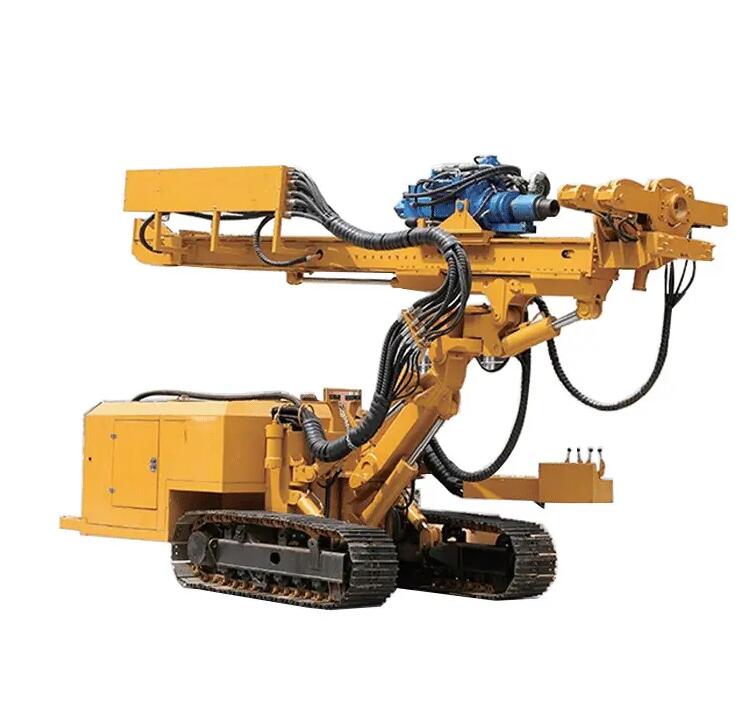
Mines with poor dust control report changing air filters every 50 operating hours, while those with advanced systems achieve 300 hours between changes. Dust also accelerates wear on the feed chain and rotary head gears, as fine particles embed in grease.
Regular maintenance intervals must include cleaning of radiator cores with compressed air from the inside out, a task that becomes less frequent when dust control is effective. Furthermore, dust accumulation on electrical panels and sensor connectors leads to false readings and intermittent shutdowns. Investing in a high‑efficiency dust collector can reduce total annual maintenance costs by up to 25%, proving that dust control is not a regulatory burden but a maintenance budget saver.
Send Inquiry



X
We use cookies to offer you a better browsing experience, analyze site traffic and personalize content. By using this site, you agree to our use of cookies.
Privacy Policy