 English
 שפה עברית
  Kurdî
Kurdî  Español
  Português
  русский
  tiếng Việt
  ภาษาไทย
  Malay
Malay  Türkçe
  العربية
  فارسی
فارسی  Burmese
  Français
  日本語
日本語  Deutsch
  Italiano
  Nederlands
  Polski
  한국어
한국어  Svenska
  magyar
  বাংলা ভাষার
  Dansk
Dansk  Suomi
Suomi  हिन्दी
  Pilipino
  Gaeilge
  Indonesia
  Norsk
Norsk  تمل
تمل  český
český  ελληνικά
  український
  Javanese
  தமிழ்
தமிழ்  తెలుగు
  नेपाली
  български
  ລາວ
ລາວ  Latine
  Қазақша
  Euskal
  Azərbaycan
  Slovenský jazyk
  Македонски
  Lietuvos
  Eesti Keel
  Română
  Slovenski


What is the Step-by-Step Guide for Using an Anchoring Rig for Foundation Support?
What is the Step-by-Step Guide for Using an Anchoring Rig for Foundation Support?
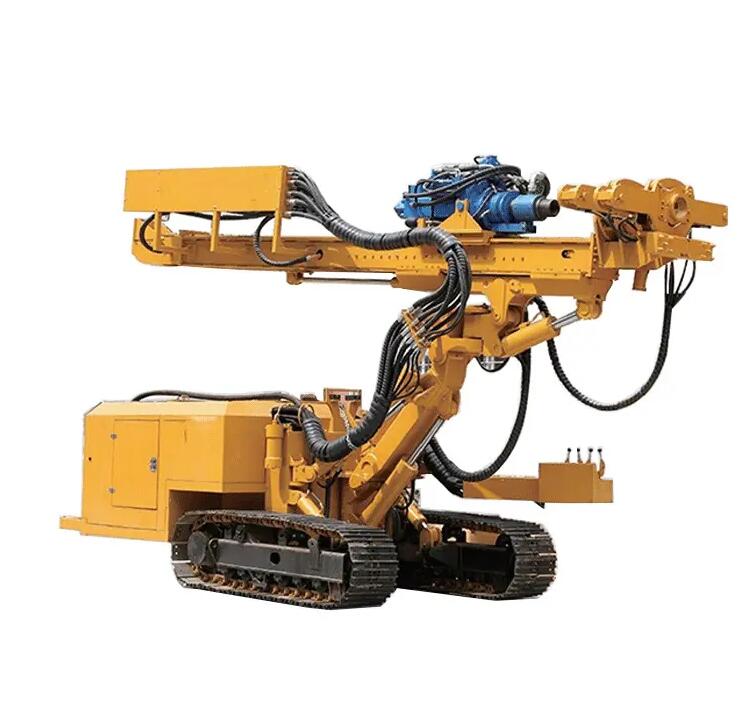
Foundation support using anchoring rigs is a critical process in geotechnical engineering, ensuring the stability and safety of structures in challenging soil or rock conditions. These specialized drilling machines are designed to install ground anchors, tiebacks, or soil nails that reinforce foundations, retaining walls, or slopes. However, operating an anchoring rig requires precision, technical knowledge, and strict adherence to safety protocols to achieve optimal results. This article provides a comprehensive step-by-step guide to using an anchoring rig for foundation support, covering preparation, drilling, installation, and post-installation procedures.
Step 1: Pre-Operational Planning and Site Assessment
Before deploying an anchoring rig, a thorough site assessment must be conducted. This includes reviewing geotechnical reports to understand soil composition, groundwater levels, and load-bearing requirements. Engineers determine the anchor type (e.g., grouted anchors, helical anchors), depth, diameter, and spacing based on structural demands. Additionally, the site is surveyed for obstacles such as underground utilities, natural formations, or existing structures. All necessary permits and safety clearances should be obtained prior to mobilization.
Step 2: Rig Setup and Calibration
Once on-site, position the anchoring rig on stable, level ground using outriggers or stabilizers to prevent tilting during operation. Ensure the rig is aligned with the designated drilling points as per the engineering layout. Calibrate the rig’s hydraulic and electronic systems, including the drilling angle, torque settings, and feed pressure, according to the technical specifications. Conduct a pre-operational check of all components, such as the mast, drill string, and hydraulic hoses, to confirm they are in optimal condition.
Step 3: Drilling and Hole Preparation
Begin drilling by selecting the appropriate drill bit and technique based on soil or rock conditions. For soft soils, rotary drilling with a continuous flight auger may be used, while hard rock may require down-the-hole hammer (DTH) drilling. Monitor parameters like drilling speed, torque, and flush pressure to maintain hole integrity. During drilling, use casing or stabilizing fluids if necessary to prevent hole collapse. Once the target depth is reached, clean the hole thoroughly using air or water flushing to remove debris and ensure proper bond strength for the anchor.
Step 4: Anchor Installation and Grouting
Insert the prefabricated anchor assembly (typically a steel tendon or bar) into the drilled hole. For grouted anchors, prepare the grout mixture as per design specifications—usually a cement-based slurry with additives for enhanced strength and corrosion resistance. Use a tremie pipe or grout hose to pump grout into the hole from the bottom upward, ensuring no air pockets remain. In the case of post-grouted anchors, apply pressure grouting after initial curing to improve load capacity.
Step 5: Stressing and Lock-Off
After the grout achieves sufficient strength (verified through laboratory tests), stress the anchor using a hydraulic jack to the design load. This process, known as prestressing, ensures the anchor is active and can immediately resist forces. Monitor elongation and pressure gauges during stressing to confirm compliance with design tolerances. Once the target load is reached, lock off the anchor using a bearing plate and nut assembly. Record all stressing data for quality assurance and future reference.
Step 6: Post-Installation Verification and Documentation
Conduct integrity tests, such as lift-off tests or proof loading, to verify anchor performance. Install corrosion protection systems (e.g., grease-filled sleeves or epoxy coatings) if required for long-term durability. Finally, document the entire process, including as-built drawings, test reports, and maintenance recommendations. Regular monitoring of anchor load and displacement may be advised for critical structures.
By following this systematic guide, operators can ensure safe, efficient, and reliable foundation support using anchoring rigs. Adherence to industry standards, such as those from the International Society for Soil Mechanics and Geotechnical Engineering (ISSMGE), is essential for project success.
Send Inquiry



X
We use cookies to offer you a better browsing experience, analyze site traffic and personalize content. By using this site, you agree to our use of cookies.
Privacy Policy