 English
 שפה עברית
  Kurdî
Kurdî  Español
  Português
  русский
  tiếng Việt
  ภาษาไทย
  Malay
Malay  Türkçe
  العربية
  فارسی
فارسی  Burmese
  Français
  日本語
日本語  Deutsch
  Italiano
  Nederlands
  Polski
  한국어
한국어  Svenska
  magyar
  বাংলা ভাষার
  Dansk
Dansk  Suomi
Suomi  हिन्दी
  Pilipino
  Gaeilge
  Indonesia
  Norsk
Norsk  تمل
تمل  český
český  ελληνικά
  український
  Javanese
  தமிழ்
தமிழ்  తెలుగు
  नेपाली
  български
  ລາວ
ລາວ  Latine
  Қазақша
  Euskal
  Azərbaycan
  Slovenský jazyk
  Македонски
  Lietuvos
  Eesti Keel
  Română
  Slovenski

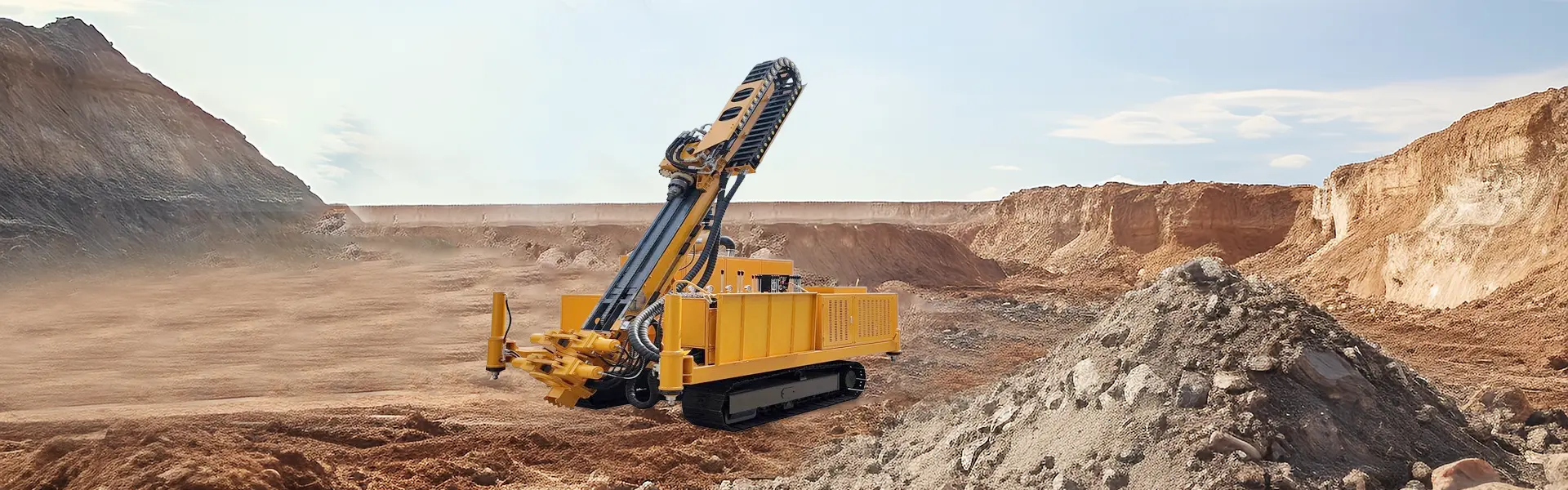
What Are the Key Features to Look for in a High-Production Mining Drilling Rig?
What Are the Key Features to Look for in a High-Production Mining Drilling Rig?
In the highly competitive mining industry, operational efficiency, safety, and total cost of ownership are paramount. Selecting the right high-production drilling rig can significantly impact productivity, drilling accuracy, and long-term profitability. Modern mining drilling rigs are complex pieces of machinery, and distinguishing between models requires a deep understanding of the key features that translate into real-world performance. This article outlines the critical features to evaluate when investing in a high-production mining drilling rig, focusing on technological innovation, durability, and operational intelligence.
1. Drilling Power and Penetration Rate
The core function of a drilling rig is to penetrate rock efficiently. Key metrics here include:
High Torque and Feed Force: Look for rigs with high rotational torque and down-the-hole (DTH) or top-hammer feed force suitable for the target rock hardness (e.g., granite, iron ore, copper porphyry). A robust feed system ensures consistent bit pressure, optimizing the rate of penetration (ROP).
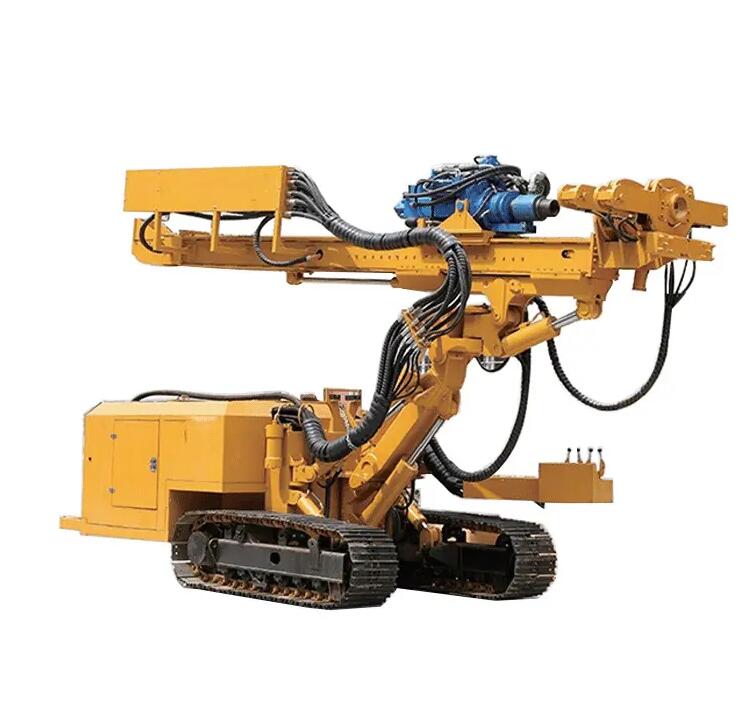
Versatile Drilling Method Compatibility: The best rigs can often be configured for multiple methods—DTH for deep, large-diameter blastholes in hard rock, or rotary tricone for softer formations. Modularity in drilling systems future-proofs your investment.
2. Advanced Automation and Digitalization
Automation is no longer a luxury but a necessity for high-production, consistent results.
Auto-Drill Functions: Automated systems control feed pressure, rotation speed, and percussion to prevent rod and bit damage, reduce operator fatigue, and maintain optimal ROP.
Collision Avoidance and Rod Handling: Automated rod changers and pipe handlers drastically reduce manual labor and cycle time between holes. Integrated 3D collision avoidance systems protect the rig and personnel.
Fleet Management Telematics: Real-time monitoring of rig location, performance metrics (ROP, fuel consumption, engine health), and drill plan integration allows for centralized oversight and data-driven decision-making.
3. Durability and Serviceability for Harsh Environments
Mining sites are punishing. Rig durability directly affects uptime.
Robust Structural Design: Look for heavy-duty masts, carriages, and crawlers built from high-grade steel to withstand constant vibration and high static loads.
Component Accessibility: A modular design with easy access to hydraulic banks, compressors, and electronic cabinets simplifies maintenance and reduces mean time to repair (MTTR).
Environmental Protection: Systems should be rated for extreme temperatures, dust (IP65 or higher for electrical components), and moisture. Advanced filtration for hydraulics and engines is critical.
4. Precision and Accuracy in Hole Placement
Precise drilling is essential for effective fragmentation, wall control, and safety.
GPS/GNSS Guidance: High-accuracy GPS systems, often with GLONASS or Galileo support, allow the rig to position itself and drill holes exactly according to the blast pattern digital plan, eliminating manual stakeout.
Inclination and Azimuth Sensors: On-board sensors ensure holes are drilled to the exact planned angle and bearing, crucial for controlled blasts and slope stability.
5. Operator Ergonomics and Safety
A comfortable and safe operator is a productive operator.
Sound-Proofed, Climate-Controlled Cab: The cab should offer excellent visibility, intuitive joystick controls, and display screens presenting all critical data. Reduced noise and vibration limit operator fatigue.
Integrated Safety Systems: Features like emergency stop systems, fire suppression, proximity detection for personnel and vehicles, and fall arrest points are mandatory in modern rigs.
6. Power Efficiency and Environmental Compliance
With rising fuel costs and tightening emissions regulations, efficiency is key.
Efficient Power Plants: Look for Tier 4 Final/Stage V compliant engines that balance power with fuel efficiency. Variable-speed fan drives and demand-based hydraulic systems reduce parasitic losses.
Hybrid/Electric Readiness: The ability to integrate electric or hybrid power options is a forward-looking feature, reducing diesel dependency and operating costs in grid-connected or future-proofed mines.
Conclusion
Investing in a high-production mining drilling rig requires looking beyond mere specifications. The defining features are those that integrate power, precision, automation, durability, and intelligence. A rig that excels in these areas minimizes downtime, maximizes meter-per-shift output, ensures blast quality, and protects both the workforce and the bottom line. Prioritizing these key features will lead to a selection that delivers sustained value throughout the rig's lifecycle in the demanding mining environment.
Send Inquiry



X
We use cookies to offer you a better browsing experience, analyze site traffic and personalize content. By using this site, you agree to our use of cookies.
Privacy Policy