 English
 שפה עברית
  Kurdî
Kurdî  Español
  Português
  русский
  tiếng Việt
  ภาษาไทย
  Malay
Malay  Türkçe
  العربية
  فارسی
فارسی  Burmese
  Français
  日本語
日本語  Deutsch
  Italiano
  Nederlands
  Polski
  한국어
한국어  Svenska
  magyar
  বাংলা ভাষার
  Dansk
Dansk  Suomi
Suomi  हिन्दी
  Pilipino
  Gaeilge
  Indonesia
  Norsk
Norsk  تمل
تمل  český
český  ελληνικά
  український
  Javanese
  தமிழ்
தமிழ்  తెలుగు
  नेपाली
  български
  ລາວ
ລາວ  Latine
  Қазақша
  Euskal
  Azərbaycan
  Slovenský jazyk
  Македонски
  Lietuvos
  Eesti Keel
  Română
  Slovenski


How to Control the Quality of Jet Grouting with a High Pressure Rig?
How to Control the Quality of Jet Grouting with a High Pressure Rig?
Quality control in jet grouting is paramount, as the process involves hidden underground work where defects can compromise structural integrity, water tightness, or long-term durability. High-pressure jet grouting rigs, while highly effective, require meticulous oversight to ensure consistent results. This article outlines a comprehensive quality control framework covering planning, execution, monitoring, and verification stages, aligned with international standards such as EN 12716 and ASTM D6001.
1. Pre-Construction Planning and Trials
Soil Investigation: Conduct detailed geotechnical surveys to characterize soil variability, groundwater, and obstructions.
Test Program: Perform field trials to establish optimal jetting parameters (pressure, flow, rotation/withdrawal speeds) for different soil layers.
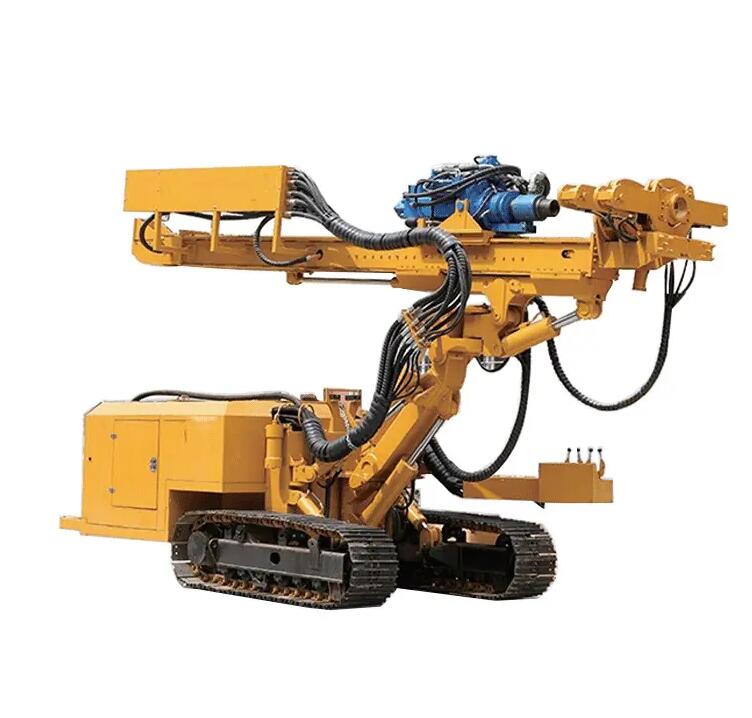
Grout Mix Design: Laboratory-test grout proportions for strength, permeability, and workability. Use additives if needed for specific conditions.
2. Real-Time Monitoring During Construction
Modern high-pressure rigs are equipped with sensors and data loggers to monitor:
Hydraulic Parameters: Injection pressure (typically 30–60 MPa), flow rate, and volume.
Mechanical Parameters: Rotation speed (5–20 rpm), withdrawal rate (5–30 cm/min), and torque.
Grout Properties: Density and viscosity measured inline.
Deviations beyond tolerances trigger alarms, prompting immediate corrective actions. Automated systems can adjust parameters in response to real-time feedback.
3. Column Geometry and Continuity Assurance
Verticality and Alignment: Use inclinometers or gyroscopic tools to monitor drill rod verticality, especially for deep columns.
Column Diameter Control: Indirect methods like uplift tests or soil heave measurements can indicate diameter sufficiency. For critical projects, downhole cameras or geophysical tomography may be employed.
Overlap Verification: Ensure sequential columns overlap as per design (usually 10–30% of diameter) by precise positioning systems (GPS or total station).
4. Material Quality and Handling
Batching Plant Controls: Automated batching with weight-based measurements ensures consistent grout composition.
Sampling and Testing: Take frequent grout samples for setting time, strength, and density checks.
Equipment Calibration: Regularly calibrate pressure gauges, flow meters, and pumps.
5. Post-Construction Verification
Core Drilling and Laboratory Testing: Extract cores from selected columns to evaluate unconfined compressive strength, density, and homogeneity.
Permeability Tests: For cut-off walls, perform in-situ permeability tests (e.g., falling head tests) or lab tests on cores.
Non-Destructive Testing: Crosshole sonic logging, thermal imaging, or resistivity surveys can detect voids or inconsistencies.
Load Testing: Conduct plate load tests or integrity tests for load-bearing columns.
6. Documentation and Compliance
Maintain a detailed quality dossier including:
As-built records with GPS coordinates and depths.
Parameter logs and anomaly reports.
Laboratory test certificates and inspection reports.
Comparison of results against design specifications (e.g., strength > 1 MPa, permeability < 10⁻⁶ cm/s).
Case Example: Sealing a Tunnel Portal
In a railway tunnel project, jet grouting was used to create a watertight seal around the portal in sandy gravel. Quality control included real-time pressure/flow monitoring, daily grout testing, and post-construction coring. One column showed low strength; investigation revealed a blocked nozzle during construction. The column was re-drilled and regrouted, avoiding potential water ingress.
Common Pitfalls and Remedies
Inconsistent Diameters: Often due to varying withdrawal speeds. Remedy: Use automated withdrawal control and train operators.
Weak Strength: May result from poor soil-grout mixing or incorrect water-cement ratio. Adjust parameters and enhance mixing time.
Permeability Issues: Gaps between columns can be addressed by overlapping re-grouting.
Conclusion
Quality control in jet grouting with high-pressure rigs is a multi-layered process demanding integration of technology, expertise, and rigorous protocols. By embracing digital monitoring, systematic testing, and adaptive management, engineers can deliver jet-grouted elements that meet the highest performance standards, ensuring safety and longevity of geotechnical structures.
Send Inquiry



X
We use cookies to offer you a better browsing experience, analyze site traffic and personalize content. By using this site, you agree to our use of cookies.
Privacy Policy