 English
 שפה עברית
  Kurdî
Kurdî  Español
  Português
  русский
  tiếng Việt
  ภาษาไทย
  Malay
Malay  Türkçe
  العربية
  فارسی
فارسی  Burmese
  Français
  日本語
日本語  Deutsch
  Italiano
  Nederlands
  Polski
  한국어
한국어  Svenska
  magyar
  বাংলা ভাষার
  Dansk
Dansk  Suomi
Suomi  हिन्दी
  Pilipino
  Gaeilge
  Indonesia
  Norsk
Norsk  تمل
تمل  český
český  ελληνικά
  український
  Javanese
  தமிழ்
தமிழ்  తెలుగు
  नेपाली
  български
  ລາວ
ລາວ  Latine
  Қазақша
  Euskal
  Azərbaycan
  Slovenský jazyk
  Македонски
  Lietuvos
  Eesti Keel
  Română
  Slovenski

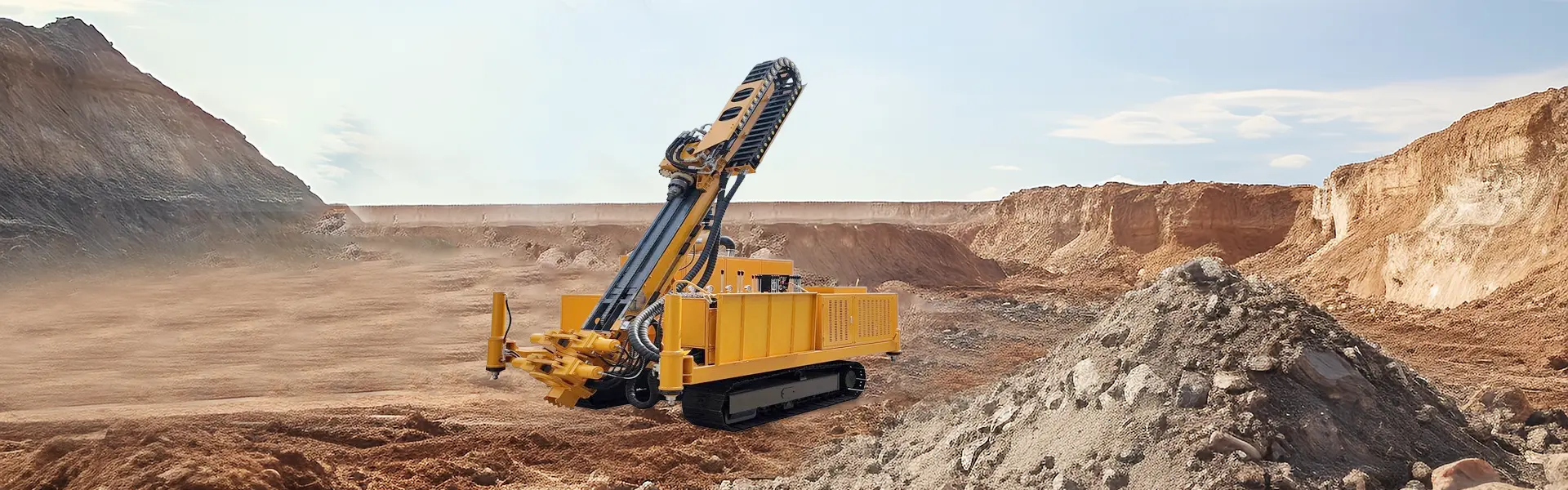
How Do Mining Rigs Adapt to Extreme Geological Formations?
How Do Mining Rigs Adapt to Extreme Geological Formations?
Mining operations routinely encounter extreme geological challenges: abrasive iron formations, fault zones with crumbling rock, deep-seated hard rock veins, or heterogeneous ore bodies. A standard drilling rig will struggle or fail in these conditions, leading to low penetration rates, excessive wear, hole deviation, and dangerous instability. Successfully adapting to such formations requires a combination of specialized rig hardware, intelligent software, and flexible operational protocols. This article explores the technological and methodological adaptations mining drilling rigs employ to conquer the planet's most demanding geology.
1. Hardware Adaptations for Specific Formations
The rig's physical components are the first line of defense.
For Ultra-Hard and Abrasive Rock (e.g., Quartzite, Taconite):
High-Pressure DTH Hammers: Utilize hammers operating at 25-35 bar for greater impact energy.
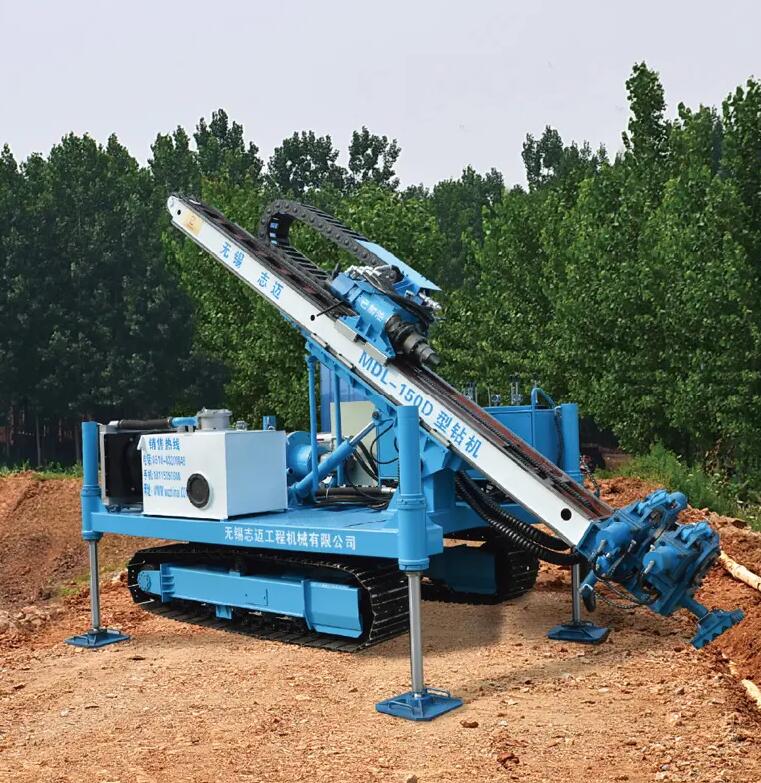
Enhanced Dust Suppression: Dry drilling with high-capacity dust collectors is often used, requiring rigs with large compressor packages (up to 42 m³/min).
Abrasion-Resistant Materials: Drill pipes with hardened thread connections, wear sleeves, and carbide-inserted bits are essential to combat rapid wear.
For Unstable, Fractured, or Caving Ground:
Casing Advancement Systems: Rigs equipped with dedicated casing drivers can simultaneously drill and advance a protective steel sleeve, preventing hole collapse. This is critical in fault zones or alluvial deposits.
Dual-Purpose Drill Strings: Systems that allow for drilling with the casing itself (casing-while-drilling) are highly effective.
Polymer or Foam Injection: Rigs with integrated systems to inject stabilizing foams or polymers into the drill string can bind loose fragments temporarily.
For Deep, High-Temperature Formations:
High-Torque Rotary Heads: For deep exploration holes, rotary drilling with diamond core bits or large-diameter tricone bits is used, requiring extremely high torque capacity.
Cooling and Circulation Systems: Robust mud pumps and cooling systems are needed to manage downhole temperatures and remove cuttings from great depths.
2. Intelligent Control System Adaptations
Software and sensors allow the rig to "feel" and react to the formation.
Adaptive Drilling Logic: Advanced rigs can automatically adjust feed force and rotation speed in real-time based on sensor feedback (pressure, vibration, ROP). In layered rock, this prevents bit jamming in soft layers or stalling in hard bands.
Vibration and Shock Monitoring: Accelerometers detect harmful harmonic vibrations or shock waves from fractured rock. The control system can dampen these by altering parameters, protecting the drill string.
Gyroscopic Surveying While Drilling (SDW): In complex or magnetic formations where standard compasses fail, integrated gyroscopic survey tools provide continuous, accurate hole deviation data, allowing for real-time trajectory correction.
3. Operational and Methodological Flexibility
Adaptation also occurs in how the rig is deployed.
Modular Mast and Feed Designs: Rigs with interchangeable masts and feeds can switch between DTH, top-hammer, or rotary drilling to match the changing geology of a single pit or across different sites.
Angle Drilling Capability: Rigs with tilting masts (e.g., -15 to +30 degrees from vertical) can drill pre-split holes for stable walls or target steeply dipping ore bodies from a single bench.
Reduced Footprint and Low-Ground-Pressure Crawlers: For operating on weak, overburden-covered ground or in environmentally sensitive areas, rigs with wide-track crawlers distribute weight to prevent sinking.
Case in Point: Drilling in a Massive Sulfide Deposit
A copper mine faced a zone of alternating hard massive sulfide and soft, clay-altered shear zones. A standard rig experienced severe deviation and rod sticking. The solution was a rig equipped with:
An auto-adjusting feed system that lightened pressure in soft clay and increased it in hard ore.
Casing advancement capability to stabilize the shear zones.
High-frequency shock monitoring to protect tools in the brittle sulfide.
This adaptation increased drilling efficiency by 40% and achieved the required hole straightness for effective blasting.
Conclusion
Modern mining drilling rigs are not monolithic tools but highly adaptable platforms. Their ability to conquer extreme geology stems from a synergy of robust, specialized hardware, sensor-driven intelligent controls, and flexible operational designs. This adaptability minimizes geological risk, ensures personnel safety, and unlocks resources that would otherwise be uneconomical or too hazardous to extract. As mining pushes into ever more challenging frontiers, from deep underground to arctic climes, the capacity of drilling rigs to adapt will remain a cornerstone of operational success.
Send Inquiry



X
We use cookies to offer you a better browsing experience, analyze site traffic and personalize content. By using this site, you agree to our use of cookies.
Privacy Policy