 English
 שפה עברית
  Kurdî
Kurdî  Español
  Português
  русский
  tiếng Việt
  ภาษาไทย
  Malay
Malay  Türkçe
  العربية
  فارسی
فارسی  Burmese
  Français
  日本語
日本語  Deutsch
  Italiano
  Nederlands
  Polski
  한국어
한국어  Svenska
  magyar
  বাংলা ভাষার
  Dansk
Dansk  Suomi
Suomi  हिन्दी
  Pilipino
  Gaeilge
  Indonesia
  Norsk
Norsk  تمل
تمل  český
český  ελληνικά
  український
  Javanese
  தமிழ்
தமிழ்  తెలుగు
  नेपाली
  български
  ລາວ
ລາວ  Latine
  Қазақша
  Euskal
  Azərbaycan
  Slovenský jazyk
  Македонски
  Lietuvos
  Eesti Keel
  Română
  Slovenski


How to Perform Daily Maintenance on Your Multi-functional Anchoring Drilling Rig?
How to Perform Daily Maintenance on Your Multi-functional Anchoring Drilling Rig?
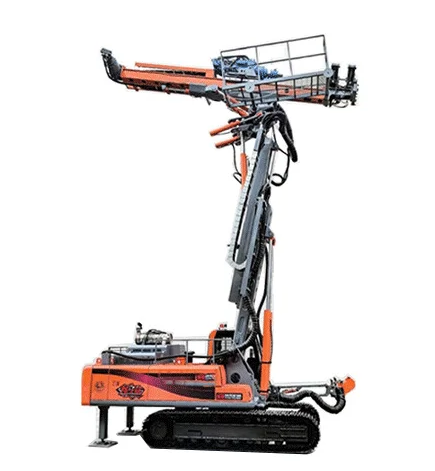
Multi-functional anchoring drilling rigs are complex machines that integrate drilling, grouting, and anchoring capabilities, making them indispensable for geotechnical and construction projects. However, their performance and longevity heavily depend on consistent and thorough maintenance. Neglecting daily upkeep can lead to operational failures, safety hazards, and costly repairs. This article outlines a detailed daily maintenance routine to keep your anchoring rig in peak condition, covering mechanical, hydraulic, electrical, and safety components.
1. Pre-Start Inspection
Before starting the rig, conduct a visual walk-around to check for obvious issues such as fluid leaks, loose bolts, or damaged hoses. Verify that all guards and covers are securely in place. Inspect the drilling tools (e.g., drill bits, rods, and couplings) for wear or cracks, and replace any compromised parts immediately. Ensure the rig is clean and free of debris that could interfere with moving parts.
2. Engine and Power System Checks
For diesel-powered rigs, check the engine oil level, coolant level, and fuel supply. Inspect air filters for clogging and clean or replace them as needed. Test the battery terminals for corrosion and ensure they are tightly connected. If the rig is electric-powered, verify the integrity of cables and connections, and check for error codes on the control panel. Run the engine or motor at idle to listen for unusual noises or vibrations.
3. Hydraulic System Maintenance
The hydraulic system is the core of an anchoring rig’s functionality. Check hydraulic oil levels in the reservoir and inspect for contamination or discoloration—replace the oil if it appears milky or contains particles. Examine hydraulic hoses, fittings, and cylinders for leaks, abrasions, or bulging. Test hydraulic functions such as mast raising, rotation, and feed movements to ensure smooth operation. Monitor system pressure gauges for anomalies during testing.
4. Drilling and Anchoring Components
Inspect the drill string, including rods, shanks, and adapters, for straightness and thread integrity. Lubricate all moving parts, such as the rotary head bearings and slide rails, with recommended greases. Check the grouting pump and pipelines for blockages or residue buildup, and flush them if necessary. Verify that anchor handling tools (e.g., wrenches, jacks) are in good working order and stored properly.
5. Electrical and Control Systems
Test all switches, buttons, and emergency stops on the operator’s console. Ensure that sensors (e.g., depth, pressure, or tilt sensors) are calibrated and functioning accurately. Inspect lighting systems, alarms, and communication devices for proper operation. Backup data from the rig’s monitoring software, if applicable, to track performance trends.
6. Post-Operation Cleaning and Storage
After use, clean the rig thoroughly to remove mud, grout, or soil that could cause corrosion or blockages. Lubricate exposed metal surfaces to prevent rust. Park the rig on level ground, retract all extended components, and engage parking brakes. Cover the rig if stored outdoors to protect it from weather elements.
7. Record-Keeping and Professional Servicing
Maintain a daily maintenance log to document inspections, issues, and actions taken. Schedule professional servicing at intervals recommended by the manufacturer, especially for complex systems like hydraulics or computerized controls.
By implementing this daily maintenance regimen, operators can minimize downtime, extend equipment lifespan, and ensure safe and efficient rig operations. Always refer to the manufacturer’s manual for model-specific guidelines.
Send Inquiry



X
We use cookies to offer you a better browsing experience, analyze site traffic and personalize content. By using this site, you agree to our use of cookies.
Privacy Policy