 English
 שפה עברית
  Kurdî
Kurdî  Español
  Português
  русский
  tiếng Việt
  ภาษาไทย
  Malay
Malay  Türkçe
  العربية
  فارسی
فارسی  Burmese
  Français
  日本語
日本語  Deutsch
  Italiano
  Nederlands
  Polski
  한국어
한국어  Svenska
  magyar
  বাংলা ভাষার
  Dansk
Dansk  Suomi
Suomi  हिन्दी
  Pilipino
  Gaeilge
  Indonesia
  Norsk
Norsk  تمل
تمل  český
český  ελληνικά
  український
  Javanese
  தமிழ்
தமிழ்  తెలుగు
  नेपाली
  български
  ລາວ
ລາວ  Latine
  Қазақша
  Euskal
  Azərbaycan
  Slovenský jazyk
  Македонски
  Lietuvos
  Eesti Keel
  Română
  Slovenski

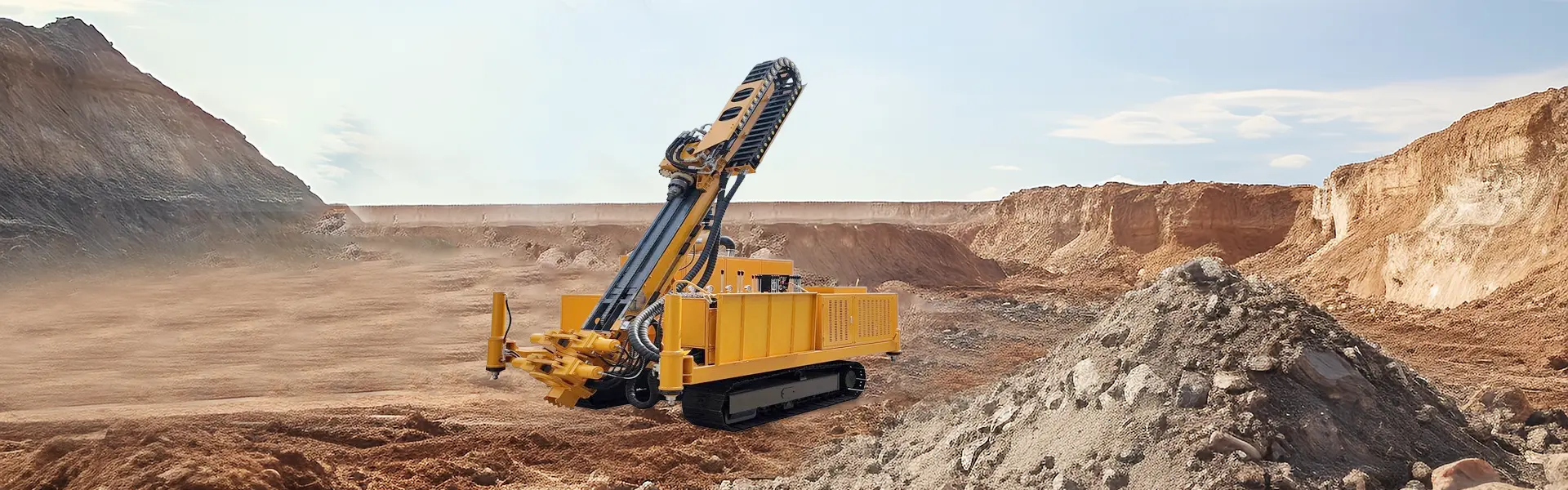
What is the Future of Electric and Hybrid Power in Mining Drilling Rigs?
What is the Future of Electric and Hybrid Power in Mining Drilling Rigs?
The mining industry is undergoing a profound energy transition. Driven by the imperative to decarbonize, reduce operating costs, and improve underground air quality, the shift away from traditional diesel-powered equipment is accelerating. Drilling rigs, as major energy consumers at the mine face, are at the forefront of this transformation. The future points decisively towards electric and hybrid power systems, promising a new era of cleaner, quieter, and more efficient mining operations. This article explores the trends, technologies, benefits, and challenges shaping this electric future.
1. The Drivers for Change
Decarbonization Goals: Major mining companies have committed to net-zero carbon emissions by 2050 or earlier. Replacing diesel engines is the most significant step for scope 1 emissions reduction.
Total Cost of Ownership (TCO): While capital expenditure (CAPEX) for electric rigs is higher, the operational expenditure (OPEX) is lower. Electricity is cheaper and more price-stable than diesel. Electric motors have fewer moving parts, reducing maintenance costs by up to 30%.
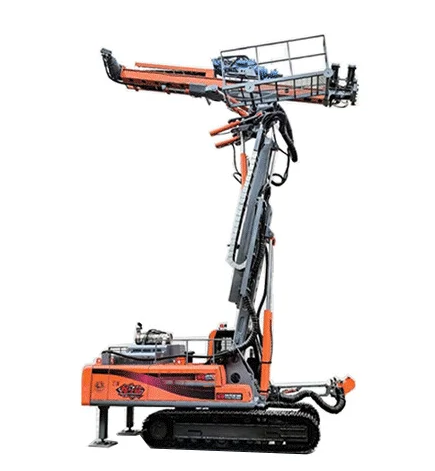
Health, Safety, and Environment (HSE): Eliminating diesel exhaust underground removes carcinogenic particulate matter (DPM), improving air quality and worker health. Electric rigs also generate less heat and noise.
Productivity Gains: Electric motors deliver instant, full torque, improving drill responsiveness and potentially increasing the rate of penetration (ROP). They are also more compatible with digitalization and automation.
2. The Technology Spectrum: From Trolley to Battery
The future is not one-size-fits-all but a mix of solutions:
Grid-Connected (Trolley Assist): Primarily for large, fixed-pit applications. Rigs are connected to an overhead or roadside electric grid via a pantograph or cable reel. This offers continuous high power with zero onboard emissions but limits mobility. It's a proven first step, especially for large shovels and drills along long benches.
Battery Electric Vehicles (BEVs): The ultimate goal for flexibility. High-capacity, fast-charging lithium-ion battery packs power the entire rig. Challenges include battery cost, energy density for long shifts, charging infrastructure, and performance in extreme temperatures. However, rapid advances in battery technology are making BEV rigs increasingly viable, especially for mid-sized and underground rigs.
Diesel-Electric Hybrid: A transitional technology. A smaller diesel generator runs at optimal RPM to charge a battery pack or directly power electric drive motors. This reduces fuel consumption and emissions by 20-40% compared to a direct diesel drive and recovers energy during braking or lowering motions.
Fuel Cell Electric: Using hydrogen fuel cells to generate electricity onboard. This offers zero tailpipe emissions (only water vapor) and fast refueling. It is a longer-term solution dependent on the development of a green hydrogen supply chain at remote mine sites.
3. Integration with Mine Design and Energy Systems
The adoption of electric rigs will fundamentally change mine planning:
Mine Electrification Roadmap: Rigs cannot be adopted in isolation. Success requires an integrated plan encompassing power infrastructure (substations, cabling), charging stations, and potentially on-site renewable energy generation (solar, wind) to ensure green power supply.
Energy Storage and Management: Battery-equipped rigs can act as mobile energy storage units, potentially feeding power back to the grid during peak demand (vehicle-to-grid concepts) or providing backup power.
Automation Synergy: Electric drives offer precise control, making them ideal partners for automated drilling systems. The combination of electric power and automation will define the next generation of "smart" drilling rigs.
4. Challenges on the Path to Adoption
High Initial CAPEX: The upfront cost of batteries and electric drive systems remains a barrier, though TCO models justify it.
Infrastructure Investment: Mines, especially remote greenfield sites, require massive investment in electrical infrastructure.
Technology Readiness for All Applications: While smaller rigs are being electrified, the immense power requirements of the largest rotary blasthole drills (e.g., 6-8 MW) are a significant engineering challenge for pure battery solutions today.
Workforce Skillset Transition: Maintenance crews will need retraining for high-voltage electrical systems and battery management.
The Future Outlook
The transition will be evolutionary. We will see:
Short-Term (Next 5 years): Widespread adoption of trolley-assist for large surface rigs and rapid growth in hybrid and battery-electric options for underground and mid-sized surface rigs.
Medium-Term (5-15 years): Battery technology advances will enable all-electric large surface rigs. Hydrogen fuel cell prototypes will move into pilot testing.
Long-Term (15+ years): A fully electric, zero-emission drilling fleet, powered by a mine-site microgrid fueled predominantly by renewables, will become the industry standard.
Conclusion
The future of mining drilling rigs is unequivocally electric and hybrid. This shift is driven by an irresistible combination of environmental responsibility, economic advantage, and operational improvement. While challenges in infrastructure and technology persist, the industry's commitment and rapid innovation are paving the way. The electric drill rig is more than a new piece of equipment; it is a symbol of the modern, sustainable, and efficient mine of the future. Companies that lead in adopting and integrating this technology will secure a powerful competitive edge.
Send Inquiry



X
We use cookies to offer you a better browsing experience, analyze site traffic and personalize content. By using this site, you agree to our use of cookies.
Privacy Policy