 English
 שפה עברית
  Kurdî
Kurdî  Español
  Português
  русский
  tiếng Việt
  ภาษาไทย
  Malay
Malay  Türkçe
  العربية
  فارسی
فارسی  Burmese
  Français
  日本語
日本語  Deutsch
  Italiano
  Nederlands
  Polski
  한국어
한국어  Svenska
  magyar
  বাংলা ভাষার
  Dansk
Dansk  Suomi
Suomi  हिन्दी
  Pilipino
  Gaeilge
  Indonesia
  Norsk
Norsk  تمل
تمل  český
český  ελληνικά
  український
  Javanese
  தமிழ்
தமிழ்  తెలుగు
  नेपाली
  български
  ລາວ
ລາວ  Latine
  Қазақша
  Euskal
  Azərbaycan
  Slovenský jazyk
  Македонски
  Lietuvos
  Eesti Keel
  Română
  Slovenski

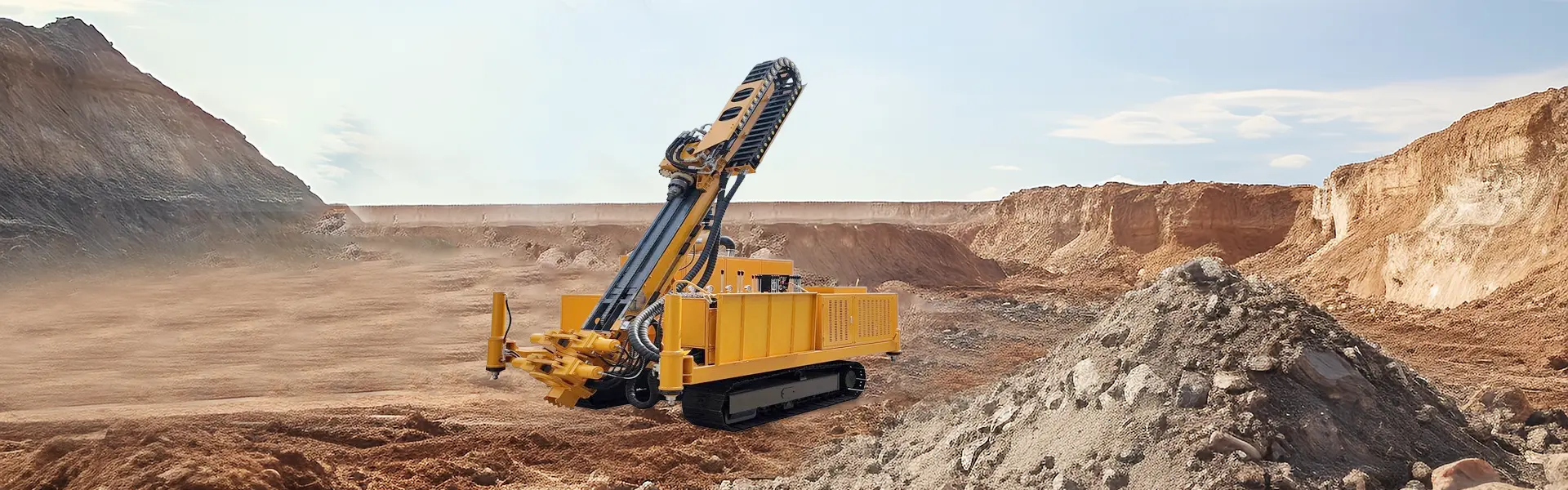
What Makes an Anchoring Drilling Rig "Multi-functional" in Geotechnical Engineering?
What Makes an Anchoring Drilling Rig "Multi-functional" in Geotechnical Engineering?
In geotechnical engineering, where ground conditions are a universal variable, the concept of a "multi-functional" anchoring drilling rig transcends mere versatility. It represents a paradigm shift from dedicated, single-purpose equipment to an integrated, adaptive platform. A rig earns this label not by performing many tasks adequately, but by mastering the core drilling functions required for modern anchoring, grouting, and soil nailing through intelligent design that prioritizes flexibility, efficiency, and precision in unpredictable subsurface environments.
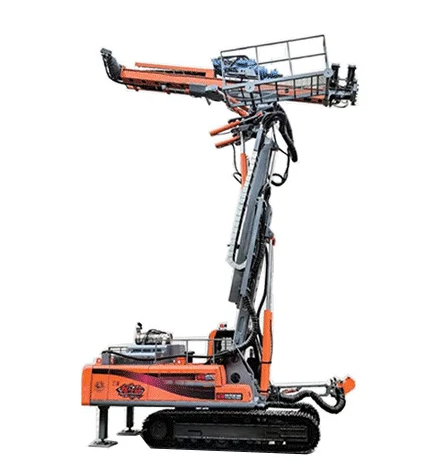
The cornerstone of multifunctionality is modularity and tooling interchangeability. At its heart, a multi-functional rig features a powerful carrier—often a crawler or truck-mounted base—with a central interface, such as a rotary head or a high-torque feed system. This interface acts as a universal "docking station" for a suite of tools and attachments. Crucially, these can be changed rapidly on-site with minimal downtime. An operator can switch from a duplex casing system for loose overburden to a down-the-hole hammer for solid rock, or attach a continuous flight auger for soil sampling, all using the same power unit and controls. This modularity eliminates the need for multiple specialized machines on a congested site.
The second defining feature is the integration of multiple drilling methods into one control system. A true multi-functional rig is not limited to one technique. Its hydraulic and control systems are engineered to seamlessly execute several core methods:
Rotary Drilling: For standard soil penetration using tri-cone or drag bits.
Percussive Drilling: Utilizing top hammers or down-the-hole hammers for fracturing rock.
Rotary-Percussive Drilling: Combining rotation and impact for mixed or medium-hard formations.
Casing Advancement: Incorporating oscillatory, rotary, or hydraulic drives to simultaneously or sequentially install temporary or permanent casings.
Flush Systems: Offering a choice of air, water, or bentonite slurry circulation for cuttings removal and borehole stability.
The operator selects the method via the rig's computerized control panel, which manages complex parameters like rotation speed, percussive frequency, feed pressure, and flush volume. This integration allows the rig to adapt its attack to the geology in real time.
This leads to the third pillar: advanced monitoring and automation capabilities. Modern multi-functional rigs are data hubs. Sensors constantly monitor parameters such as drilling depth, torque, pull-down pressure, hammer blows per minute, and flush pressure. This real-time data is displayed to the operator, providing instant feedback on ground conditions. Sophisticated rigs can automate certain sequences, like maintaining optimal feed pressure or synchronizing casing advancement with drilling. This "intelligence" transforms the rig from a blind excavation tool into a diagnostic instrument, allowing for informed decision-making and consistent, high-quality borehole construction.
Finally, multifunctionality is cemented by ancillary function integration. Beyond just making a hole, these rigs often integrate systems crucial for the complete anchoring process. This includes:
Grout Mixing and Pumping Units: Directly mounted on the rig to allow for immediate grout injection upon reaching target depth.
Tendon or Anchor Insertion Systems: Guides and winches to accurately place steel strands or bars into deep or inclined holes.
Pull-Down/Crowd Mechanisms: Providing the necessary axial force for casing installation in difficult ground.
By consolidating these functions, the rig becomes a self-contained anchoring workstation, dramatically improving workflow continuity and reducing reliance on additional support equipment.
Therefore, what makes an anchoring rig "multi-functional" is a synergistic design philosophy. It is the physical modularity that allows for tool changes, the system integration that enables method switching, the digital intelligence that guides the process, and the ancillary consolidation that completes the full task chain. This combination empowers a single piece of equipment to confidently tackle a wide spectrum of geotechnical challenges—from installing soil nails in a soft clay slope to drilling anchor sockets into irregular bedrock for a landslide stabilization project. In essence, it is a versatile and responsive engineering partner that brings laboratory-like control and adaptability to the inherently variable and demanding conditions of the field.
Send Inquiry



X
We use cookies to offer you a better browsing experience, analyze site traffic and personalize content. By using this site, you agree to our use of cookies.
Privacy Policy