 English
 שפה עברית
  Kurdî
Kurdî  Español
  Português
  русский
  tiếng Việt
  ภาษาไทย
  Malay
Malay  Türkçe
  العربية
  فارسی
فارسی  Burmese
  Français
  日本語
日本語  Deutsch
  Italiano
  Nederlands
  Polski
  한국어
한국어  Svenska
  magyar
  বাংলা ভাষার
  Dansk
Dansk  Suomi
Suomi  हिन्दी
  Pilipino
  Gaeilge
  Indonesia
  Norsk
Norsk  تمل
تمل  český
český  ελληνικά
  український
  Javanese
  தமிழ்
தமிழ்  తెలుగు
  नेपाली
  български
  ລາວ
ລາວ  Latine
  Қазақша
  Euskal
  Azərbaycan
  Slovenský jazyk
  Македонски
  Lietuvos
  Eesti Keel
  Română
  Slovenski

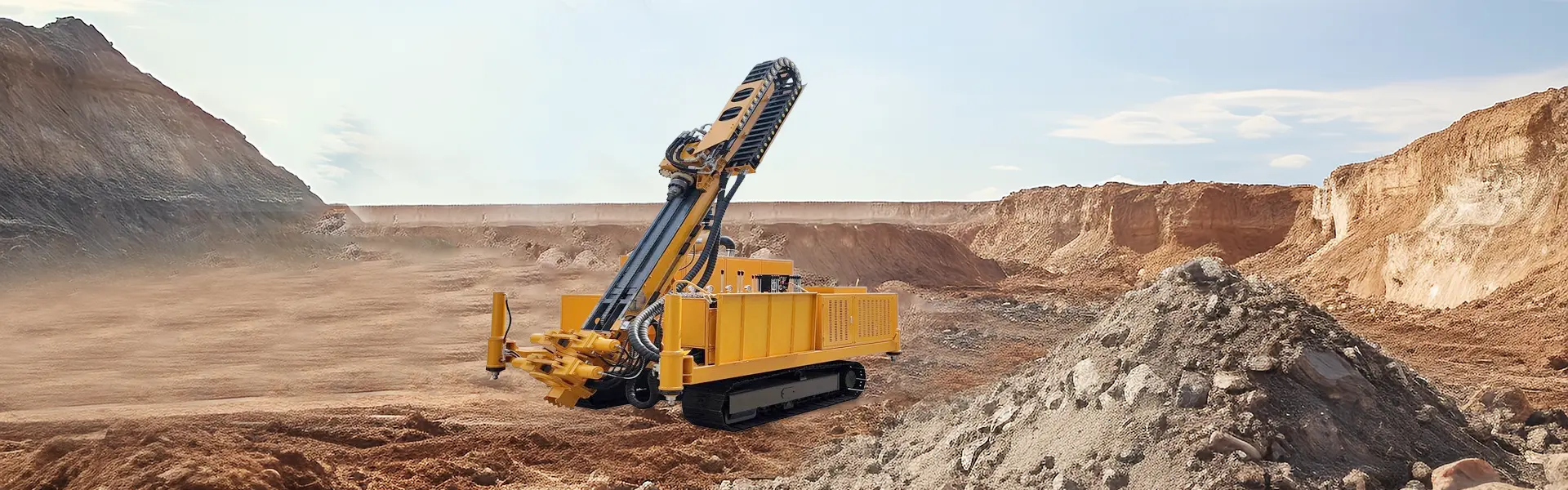
What Are the Key Features to Look for in a High-Production Mining Drilling Rig?
What Are the Key Features to Look for in a High-Production Mining Drilling Rig?
In the competitive and demanding world of mining, efficiency and productivity are paramount. The selection of a drilling rig is a critical capital decision, directly impacting operational costs, output, and overall project viability. A high-production rig is not merely a powerful machine; it is an integrated system engineered for maximum uptime, precision, and cost-effectiveness. When evaluating such equipment, several key features stand out as essential for superior performance.
1. Rock Penetration Rate and Versatility
The core function of any drill rig is to penetrate rock efficiently. Therefore, the power and design of the drilling system are fundamental. Look for a high-torque rotary head or a durable drill motor coupled with efficient pulldown and hoist systems. The rig must deliver optimal bit load (feed pressure) and rotation speed to achieve the best possible meters-per-hour rate in the specific rock formations encountered. Furthermore, versatility in drilling method—whether top-hammer, down-the-hole (DTH), or rotary—allows a single rig to adapt to changing geology from soft overburden to extremely hard rock, maximizing its utility across a site.
2. Advanced Automation and Control Systems
Modern high-production rigs are defined by their intelligence. Fully automated drilling systems are a game-changer. Features like automated rod handling drastically reduce cycle times between holes and enhance operator safety. More importantly, GPS-guided positioning and drill navigation systems allow the rig to position itself accurately and execute a pre-programmed drill pattern with minimal operator intervention. This ensures precision in hole alignment, depth, and inclination, leading to better blast results and reduced waste. Real-time monitoring of drilling parameters (pressure, speed, depth) allows for instant optimization.
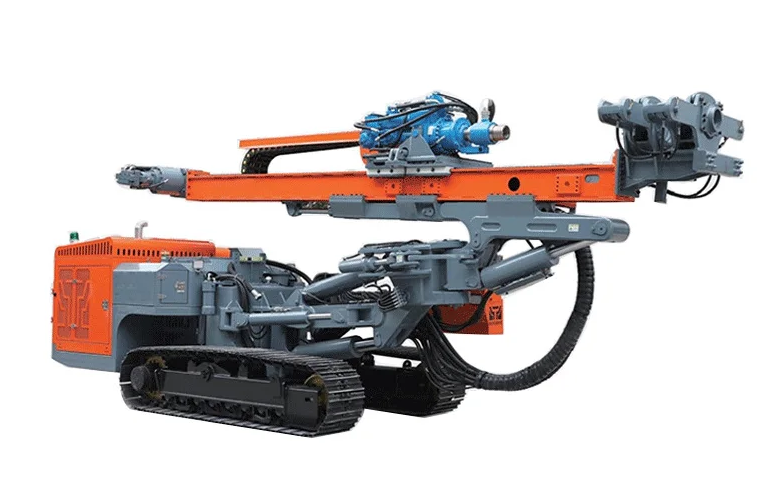
3. Durability, Reliability, and Serviceability
In harsh mining environments, uptime is revenue. The rig must be built with robust, heavy-duty components to withstand continuous operation, vibration, and abrasive dust. Critical factors include a strong carrier (often crawler-mounted for stability), protected hydraulic systems, and corrosion-resistant materials. Equally important is ease of maintenance and serviceability. A modular design with easy access to filters, pumps, and diagnostic ports minimizes maintenance time. Remote monitoring capabilities can predict failures before they occur, enabling proactive maintenance scheduling.
4. Energy Efficiency and Environmental Compliance
With rising energy costs and increasing environmental scrutiny, fuel efficiency is a major operational cost driver. Electrically-driven rigs or those with variable-speed, load-sensing hydraulic systems significantly reduce diesel consumption and carbon footprint compared to older, constant-speed systems. Furthermore, modern rigs must incorporate effective dust suppression and noise reduction technologies. Integrated dust collection systems and noise-dampening cabins not only ensure compliance with stringent regulations but also protect worker health and the surrounding environment.
5. Operator Ergonomics and Safety
A comfortable and alert operator is a productive and safe operator. The cab design should offer excellent visibility, intuitive controls (often via multifunctional touchscreens), and a climate-controlled, vibration-damped environment. Advanced safety features, such as proximity detection systems, automatic fire suppression, and roll-over protective structures (ROPS), are non-negotiable for protecting both personnel and the asset.
6. Data Integration and Connectivity
The contemporary high-production rig is a data hub. The ability to seamlessly integrate into fleet management and mine planning software is crucial. The rig should collect and transmit data on performance, location, and production metrics. This data flow enables managers to analyze efficiency, track progress against plans, and make data-driven decisions to optimize the entire drilling and blasting cycle.
In conclusion, selecting a high-production mining drilling rig requires a holistic look beyond mere horsepower. It demands a focus on intelligent automation that ensures precision and speed, uncompromising durability that guarantees uptime, operational efficiency that curtails costs, and integrated technology that provides actionable insights. The ideal rig is a resilient, smart, and connected workhorse, engineered to be the reliable cornerstone of a productive and profitable mining operation. Investing in these key features translates directly into lower cost per meter drilled, higher overall resource recovery, and a stronger competitive edge.
Send Inquiry



X
We use cookies to offer you a better browsing experience, analyze site traffic and personalize content. By using this site, you agree to our use of cookies.
Privacy Policy