 English
 שפה עברית
  Kurdî
Kurdî  Español
  Português
  русский
  tiếng Việt
  ภาษาไทย
  Malay
Malay  Türkçe
  العربية
  فارسی
فارسی  Burmese
  Français
  日本語
日本語  Deutsch
  Italiano
  Nederlands
  Polski
  한국어
한국어  Svenska
  magyar
  বাংলা ভাষার
  Dansk
Dansk  Suomi
Suomi  हिन्दी
  Pilipino
  Gaeilge
  Indonesia
  Norsk
Norsk  تمل
تمل  český
český  ελληνικά
  український
  Javanese
  தமிழ்
தமிழ்  తెలుగు
  नेपाली
  български
  ລາວ
ລາວ  Latine
  Қазақша
  Euskal
  Azərbaycan
  Slovenský jazyk
  Македонски
  Lietuvos
  Eesti Keel
  Română
  Slovenski

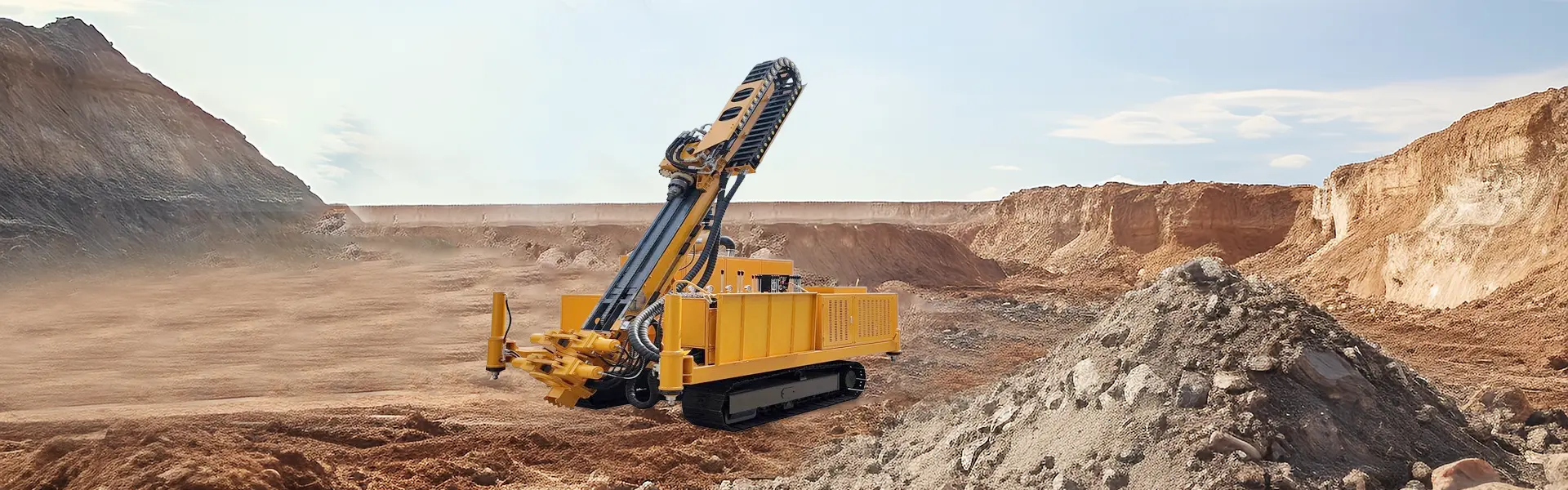
How Does Dust Control Impact the Maintenance of a Mining Drilling Rig?
How Does Dust Control Impact the Maintenance of a Mining Drilling Rig?
Dust control is a critical consideration in mining operations, directly influencing the maintenance demands of a Mining Drilling Rig. Effective dust management not only ensures operational safety but also enhances the longevity of the Mining Drilling Rig. This article examines how dust control measures affect the upkeep of the Mining Drilling Rig, highlighting key maintenance benefits.
Dust accumulation poses significant risks to a Mining Drilling Rig. Abrasive particles can infiltrate the Mining Drilling Rig's mechanical components, such as drills and engines, accelerating wear. Without proper dust control, the Mining Drilling Rig experiences increased friction and overheating, leading to more frequent breakdowns. This necessitates rigorous maintenance for the Mining Drilling Rig to prevent costly failures.

Implementing dust suppression systems, like water sprays or ventilation, reduces dust exposure on the Mining Drilling Rig. By minimizing dust ingress, the Mining Drilling Rig's internal systems remain cleaner, lowering the risk of corrosion and blockages. This proactive approach decreases the maintenance frequency for the Mining Drilling Rig, as components endure less strain. Regular inspections tied to dust levels further optimize the Mining Drilling Rig's performance.
Integrating dust control into daily protocols is essential for the Mining Drilling Rig's maintenance schedule. For instance, pre-operational checks should verify dust suppression functionality. This practice ensures the Mining Drilling Rig operates efficiently, reducing unexpected repairs. Training personnel on dust management also supports the Mining Drilling Rig's reliability, as informed handling prevents avoidable damage.
The financial implications underscore dust control's value. Investing in advanced dust control cuts long-term maintenance costs for the Mining Drilling Rig. A well-maintained Mining Drilling Rig minimizes downtime, boosting productivity in mining projects. Thus, dust control serves as a cost-saving strategy for the Mining Drilling Rig, aligning with operational efficiency goals.
In summary, dust control profoundly impacts the maintenance of a Mining Drilling Rig. Through consistent dust management, the Mining Drilling Rig achieves extended service life and reduced repair needs. Prioritizing dust control is therefore crucial for sustaining the Mining Drilling Rig's performance in challenging mining environments.
Send Inquiry



X
We use cookies to offer you a better browsing experience, analyze site traffic and personalize content. By using this site, you agree to our use of cookies.
Privacy Policy