 English
 שפה עברית
  Kurdî
Kurdî  Español
  Português
  русский
  tiếng Việt
  ภาษาไทย
  Malay
Malay  Türkçe
  العربية
  فارسی
فارسی  Burmese
  Français
  日本語
日本語  Deutsch
  Italiano
  Nederlands
  Polski
  한국어
한국어  Svenska
  magyar
  বাংলা ভাষার
  Dansk
Dansk  Suomi
Suomi  हिन्दी
  Pilipino
  Gaeilge
  Indonesia
  Norsk
Norsk  تمل
تمل  český
český  ελληνικά
  український
  Javanese
  தமிழ்
தமிழ்  తెలుగు
  नेपाली
  български
  ລາວ
ລາວ  Latine
  Қазақша
  Euskal
  Azərbaycan
  Slovenský jazyk
  Македонски
  Lietuvos
  Eesti Keel
  Română
  Slovenski

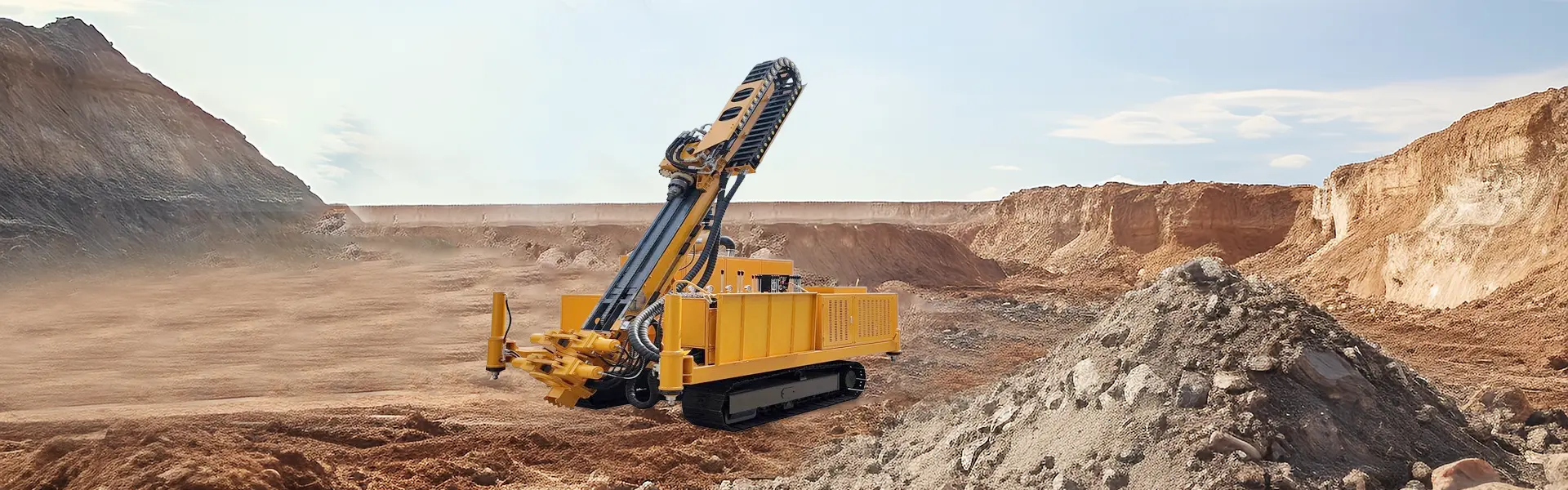
What Are the Best Lubrication Practices for a Mining Drilling Rig's Feed System?
What Are the Best Lubrication Practices for a Mining Drilling Rig's Feed System?
The feed system is a critical component of a mining drilling rig, responsible for controlling the movement of the drill bit and drill rods, ensuring precise drilling depth and alignment. Proper lubrication of the mining drilling rig's feed system is essential to reduce friction, prevent wear, extend the feed system’s lifespan, and ensure the mining drilling rig operates smoothly and efficiently. The best lubrication practices for a mining drilling rig's feed system focus on using the right lubricants, applying lubricants correctly, and maintaining a regular lubrication schedule.
Using the correct lubricant is the first and most important lubrication practice for a mining drilling rig's feed system. The mining drilling rig's feed system contains various moving parts, including gears, bearings, shafts, and slides, which require a lubricant that can withstand high pressure, high temperatures, and harsh operating conditions. Consult the mining drilling rig’s manufacturer guidelines to select the recommended lubricant type and grade. Avoid using generic or low-quality lubricants, as they can cause increased friction, wear, and damage to the mining drilling rig's feed system.
Applying lubricants correctly is another key practice for lubricating a mining drilling rig's feed system. Ensure the lubricant is applied evenly to all moving parts of the mining drilling rig's feed system, including gear teeth, bearing surfaces, and sliding components. Use the appropriate application method—such as manual greasing, oiling, or automated lubrication systems—to ensure the lubricant reaches all critical areas. Avoid over-lubrication, as excess lubricant can attract debris and dust, leading to clogging and increased wear. Similarly, avoid under-lubrication, as this can cause insufficient lubrication and increased friction.
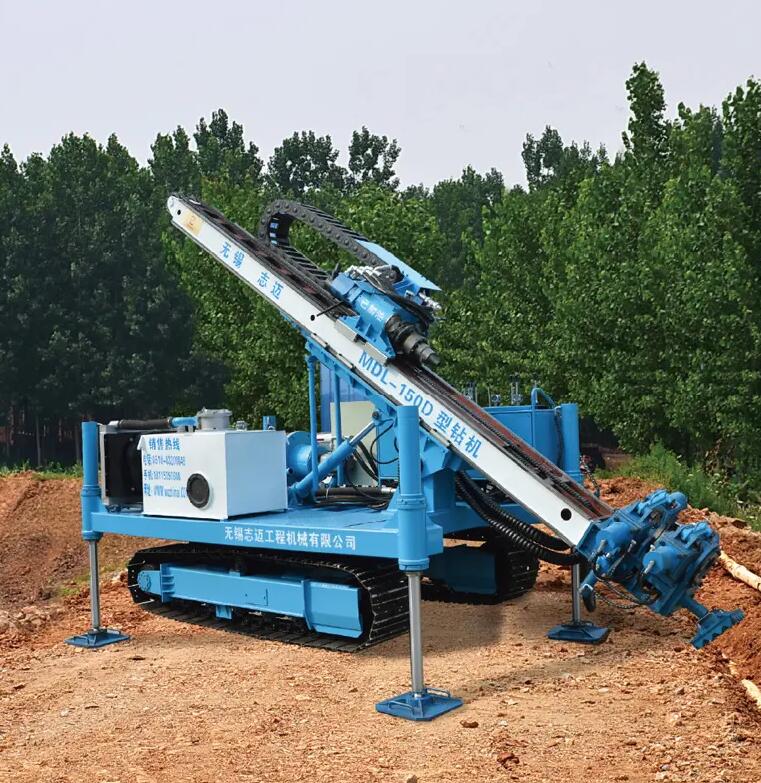
Maintaining a regular lubrication schedule is essential for the mining drilling rig's feed system. The lubrication schedule should be based on the mining drilling rig’s operating hours, the severity of the operating conditions, and the manufacturer’s recommendations. For most mining drilling rigs, the feed system should be lubricated daily before operation, with a more thorough lubrication every week. Additionally, inspect the lubricant level and condition regularly. If the lubricant is dirty, contaminated, or degraded, replace it immediately to prevent damage to the mining drilling rig's feed system.
Cleaning the mining drilling rig's feed system before lubrication is another important practice. Before applying new lubricant, remove debris, dust, and old lubricant from the feed system’s components. This ensures the new lubricant can adhere properly to the moving parts and provides effective lubrication. Use a clean cloth or brush to remove surface debris, and flush the feed system with a cleaning agent if necessary. This step prevents contaminants from mixing with the new lubricant, which can reduce the lubricant’s effectiveness and cause wear.
Inspecting the mining drilling rig's feed system for wear and damage during lubrication is also crucial. While lubricating the feed system, check for signs of wear, corrosion, or damage to gears, bearings, and other components. If any issues are found, address them promptly to prevent further damage to the mining drilling rig's feed system. For example, if a bearing is worn, replace it before it fails, as this can cause extensive damage to the feed system and the mining drilling rig.
Finally, training operators on proper lubrication practices for the mining drilling rig's feed system is essential. Ensure operators understand how to select the right lubricant, apply it correctly, and follow the lubrication schedule. By implementing these best lubrication practices, mining companies can extend the lifespan of the mining drilling rig's feed system, reduce maintenance costs, and ensure the mining drilling rig operates efficiently and reliably.
Send Inquiry



X
We use cookies to offer you a better browsing experience, analyze site traffic and personalize content. By using this site, you agree to our use of cookies.
Privacy Policy