 English
 שפה עברית
  Kurdî
Kurdî  Español
  Português
  русский
  tiếng Việt
  ภาษาไทย
  Malay
Malay  Türkçe
  العربية
  فارسی
فارسی  Burmese
  Français
  日本語
日本語  Deutsch
  Italiano
  Nederlands
  Polski
  한국어
한국어  Svenska
  magyar
  বাংলা ভাষার
  Dansk
Dansk  Suomi
Suomi  हिन्दी
  Pilipino
  Gaeilge
  Indonesia
  Norsk
Norsk  تمل
تمل  český
český  ελληνικά
  український
  Javanese
  தமிழ்
தமிழ்  తెలుగు
  नेपाली
  български
  ລາວ
ລາວ  Latine
  Қазақша
  Euskal
  Azərbaycan
  Slovenský jazyk
  Македонски
  Lietuvos
  Eesti Keel
  Română
  Slovenski

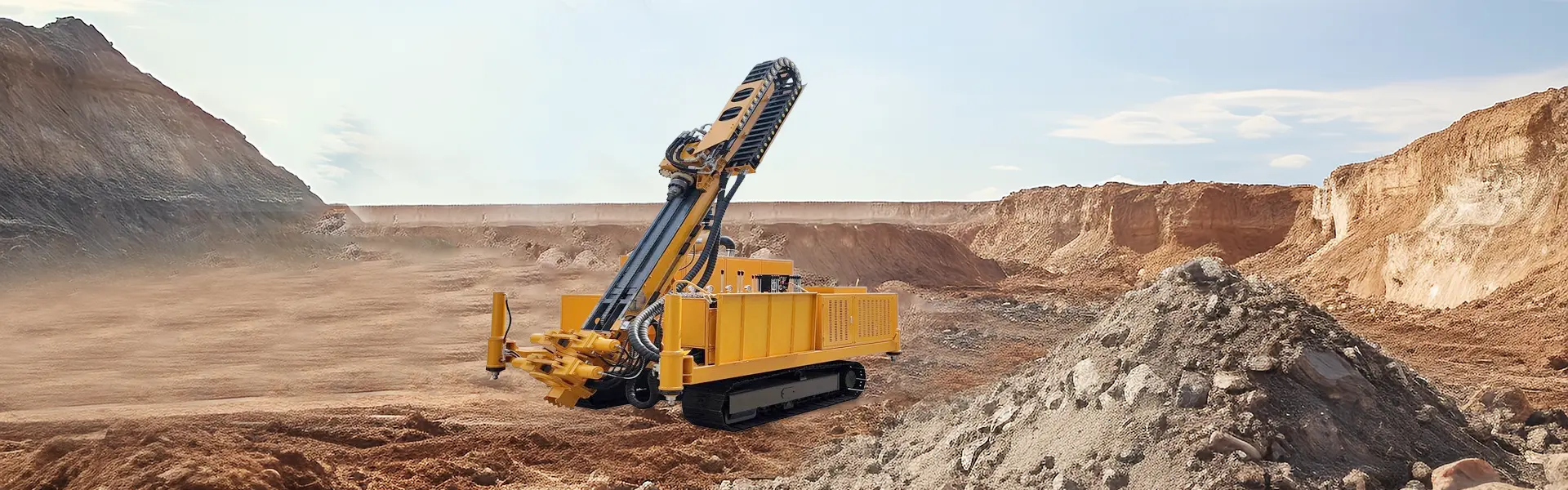
How to Minimize Downtime for Your Mining Drilling Rig Fleet?
How to Minimize Downtime for Your Mining Drilling Rig Fleet?
Mining operators worldwide are rethinking maintenance protocols as unplanned downtime continues to cost millions per hour. To minimize downtime for your mining drilling rig fleet, industry experts recommend a shift from reactive to predictive maintenance. Real‑time telematics and vibration sensors on key components, such as the rotary head and feed system, allow fleet managers to detect bearing wear or hydraulic leaks days before failure occurs. Standardizing spare parts across the fleet reduces waiting time for replacements. Additionally, implementing a daily pre‑start checklist that includes air filter inspection, lubrication verification, and drill pipe thread cleaning can catch 80% of common issues. Leading mines have reported a 35% reduction in downtime after adopting remote diagnostics, where a central expert team monitors rig data from hundreds of kilometers away. The key takeaway is that proactive scheduling, combined with operator training on early warning signs, turns downtime from a costly surprise into a manageable event.
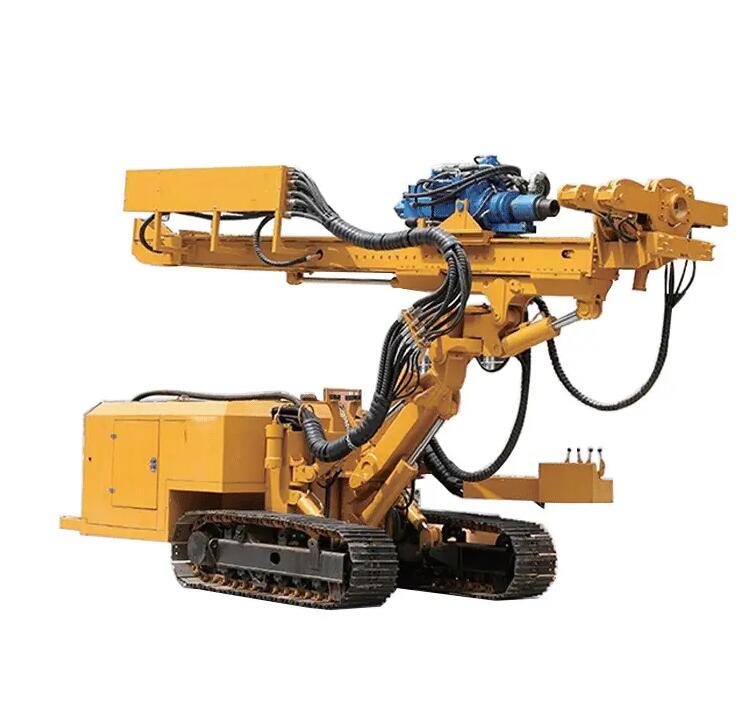
What Operator Controls and Monitoring Systems Are Vital on a Modern Mining Rig?
Modern mining rigs have evolved far beyond simple joysticks and pressure gauges. Today, the question of what operator controls and monitoring systems are vital on a modern mining rig receives a clear answer from automation specialists. At the top of the list is an integrated drill navigation system with a high‑resolution touchscreen display, showing real‑time hole depth, rotation torque, pull‑down force, and air pressure. Equally vital is an automated rod handling control, allowing the operator to add or remove drill pipes with a single lever, dramatically reducing manual fatigue and injury risk. For monitoring, a live dust suppression status panel and a cabin air quality sensor are now considered mandatory, protecting the operator from silica dust exposure. Advanced rigs also feature a collision avoidance radar display linked to proximity sensors around the mast. Perhaps most important is a programmable logic controller (PLC) based alarm system that prioritizes warnings: red for immediate shutdown hazards, yellow for parameter drift, and blue for maintenance reminders. Without these controls and monitoring systems, a modern mining rig cannot achieve its safety or productivity targets.
Send Inquiry



X
We use cookies to offer you a better browsing experience, analyze site traffic and personalize content. By using this site, you agree to our use of cookies.
Privacy Policy