 English
 שפה עברית
  Kurdî
Kurdî  Español
  Português
  русский
  tiếng Việt
  ภาษาไทย
  Malay
Malay  Türkçe
  العربية
  فارسی
فارسی  Burmese
  Français
  日本語
日本語  Deutsch
  Italiano
  Nederlands
  Polski
  한국어
한국어  Svenska
  magyar
  বাংলা ভাষার
  Dansk
Dansk  Suomi
Suomi  हिन्दी
  Pilipino
  Gaeilge
  Indonesia
  Norsk
Norsk  تمل
تمل  český
český  ελληνικά
  український
  Javanese
  தமிழ்
தமிழ்  తెలుగు
  नेपाली
  български
  ລາວ
ລາວ  Latine
  Қазақша
  Euskal
  Azərbaycan
  Slovenský jazyk
  Македонски
  Lietuvos
  Eesti Keel
  Română
  Slovenski

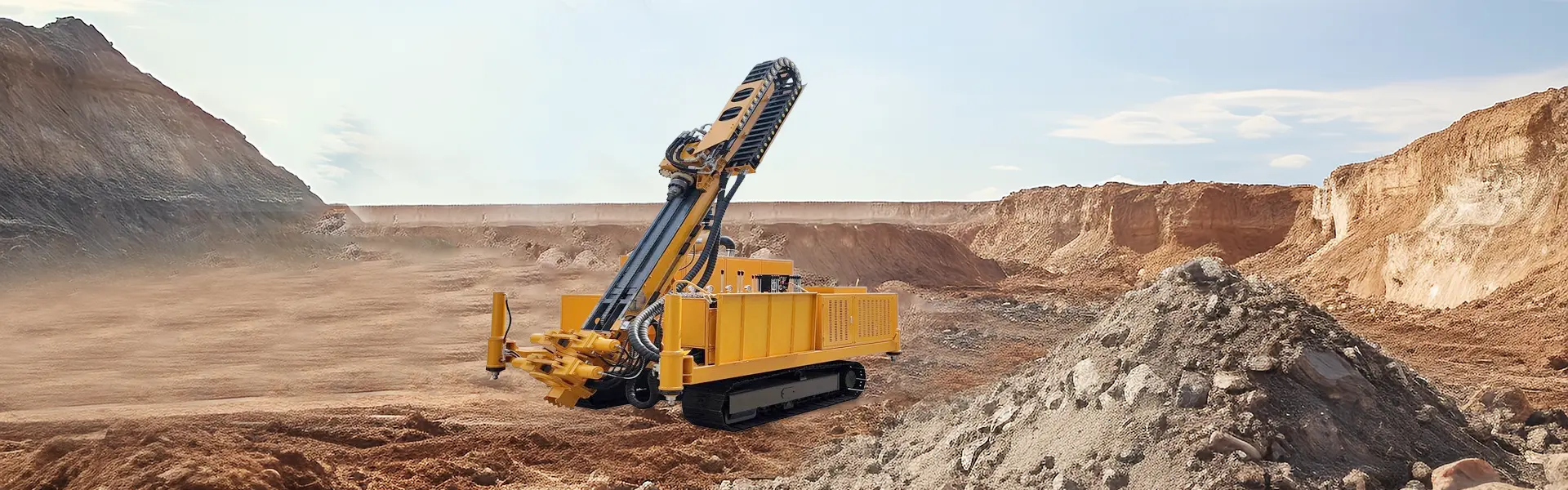
Wear Resistance Optimization Technologies for Mining Drilling Rig Parts
Wear Resistance Optimization Technologies for Mining Drilling Rig Parts
Mining drilling rig parts are prone to severe wear, impact damage, and corrosion under harsh working conditions such as hard rock friction, underground humidity, and dust erosion. Multiple wear resistance optimization technologies are adopted to improve part durability and reduce replacement costs.
The first is material upgrading optimization: replace ordinary carbon steel with high-strength alloy steel for vulnerable parts such as drill rods, spindle sleeves, and feeding sliding parts, which has higher hardness, toughness, and anti-fatigue performance, resisting impact and friction damage during drilling. The second is surface strengthening technology, the most widely used optimization method in the industry. High-frequency surface quenching is applied to the outer surface of drill rods and sliding parts to form a dense high-hardness wear-resistant layer, improving surface wear resistance while retaining the internal toughness of the parts. Laser cladding technology is used for key vulnerable components such as drill bit bases and hydraulic valve cores, cladding high-performance tungsten carbide and ceramic alloy composite materials on the surface, which greatly enhances anti-wear and anti-impact ability.
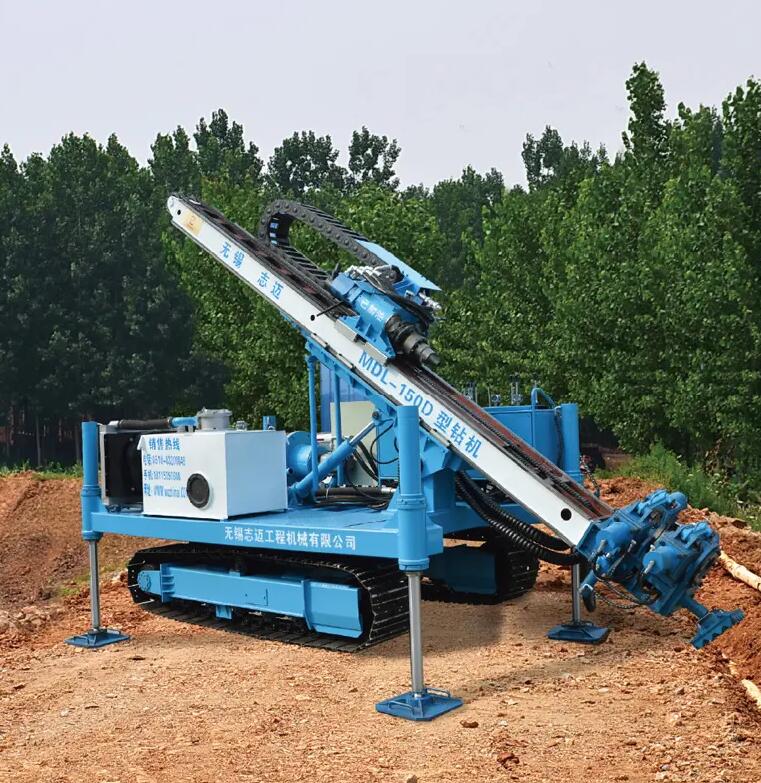
The third is anti-corrosion and anti-friction coating technology: spray polymer wear-resistant coatings and epoxy anti-corrosion coatings on metal parts to isolate humid air, mine water, and dust, avoiding electrochemical corrosion and abrasive wear. The fourth is structural optimization design: optimize the structural shape of vulnerable parts, reduce sharp corners and stress concentration areas, adopt integrated forming structures to avoid local wear caused by structural gaps, and design streamlined slag discharge structures for drill bits to reduce rock slag friction resistance. In addition, modular wear-resistant sleeve design is adopted for easily worn connecting parts, realizing rapid replacement of local wear parts without overall component replacement. These multi-dimensional wear resistance optimization technologies effectively reduce the wear rate of mining drilling rig parts, extend service life by 30%–50%, and reduce equipment maintenance and operation costs.
Send Inquiry



X
We use cookies to offer you a better browsing experience, analyze site traffic and personalize content. By using this site, you agree to our use of cookies.
Privacy Policy