 English
 שפה עברית
 Kurdî
 Español
 Português
 русский
 tiếng Việt
 ภาษาไทย
 Malay
 Türkçe
 العربية
 فارسی
 Burmese
 Français
 日本語
 Deutsch
 Italiano
 Nederlands
 Polski
 한국어
 Svenska
 magyar
 বাংলা ভাষার
 Dansk
 Suomi
 हिन्दी
 Pilipino
 Gaeilge
 Indonesia
 Norsk
 تمل
 český
 ελληνικά
 український
 Javanese
 தமிழ்
 తెలుగు
 नेपाली
 български
 ລາວ
 Latine
 Қазақша
 Euskal
 Azərbaycan
 Slovenský jazyk
 Македонски
 Lietuvos
 Eesti Keel
 Română
 Slovenski

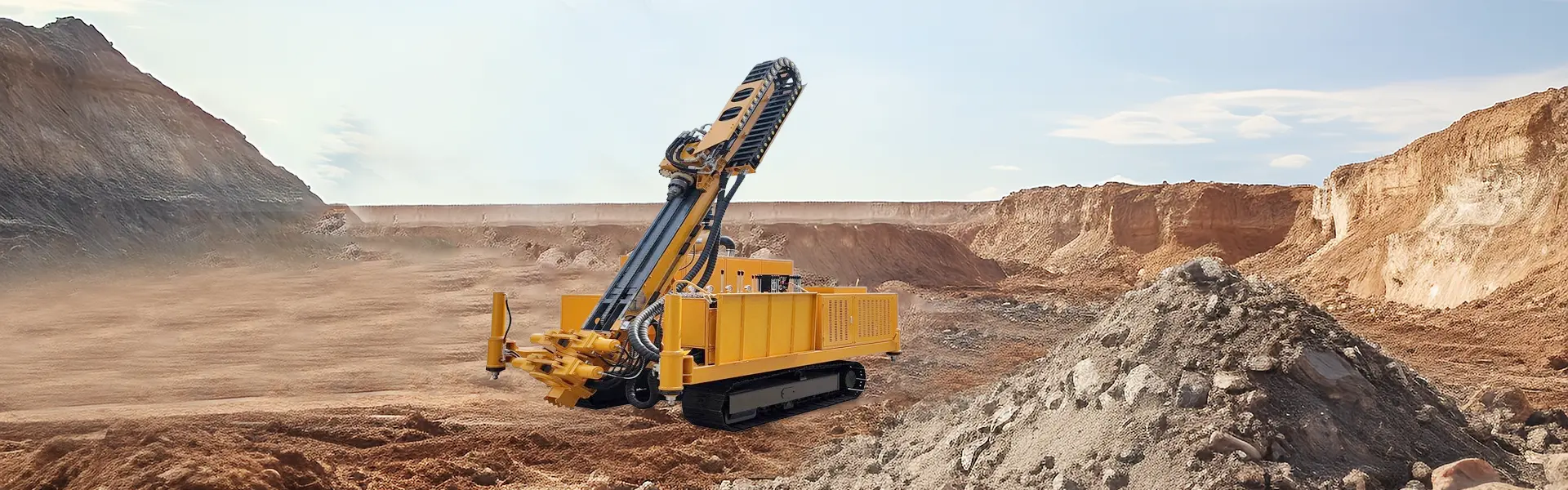
Methods to Avoid Construction Defects of High-Pressure Rotary Jet Drilling Rigs
Methods to Avoid Construction Defects of High-Pressure Rotary Jet Drilling Rigs
Construction defects of high-pressure rotary jet drilling rigs mainly include uneven pile diameter, broken piles, grout segregation, hole collapse, and low foundation compactness, which can be effectively avoided through standardized operation, parameter control, and pre-construction preparation. First, strict site preparation and equipment debugging are required before construction: level the construction site, calibrate the drilling rig positioning and verticality, and control the drill rod vertical deviation within 1/100 to prevent inclined pile defects.
Conduct a comprehensive inspection of the high-pressure system, including pressure pumps, nozzles, and hydraulic pipelines, to eliminate pipeline blockage and pressure instability problems that cause uneven grout jetting. Second, standardized parameter management is the core of defect prevention. Strictly implement stratified pressure parameters according to stratum conditions, avoid sudden changes in jet pressure and lifting speed, and maintain a uniform drill rod rotation and lifting speed to ensure consistent pile diameter and uniform grout-soil mixing. For soft soil layers prone to hole collapse, adopt pre-grouting reinforcement and casing follow-up drilling technologies to stabilize the hole wall.

Third, optimize grout proportioning and pulping process, control the water-cement ratio within the standard range, and ensure full grout stirring to prevent grout segregation and solidification failure. During construction, strengthen real-time monitoring, record pressure, lifting speed, and grout consumption data continuously, and adjust parameters timely for abnormal stratum changes. After jet grouting, conduct timely pile surface maintenance and avoid external vibration and impact in the initial solidification stage. In addition, formulate targeted construction schemes for special strata such as sandy soil and gravel layers, adopt triple-pipe jet grouting process to enhance pile body integrity, and avoid hollow and broken pile defects caused by stratum water seepage and particle loss. Standardized whole-process management can effectively eliminate common construction defects and ensure foundation reinforcement quality.
Send Inquiry



X
We use cookies to offer you a better browsing experience, analyze site traffic and personalize content. By using this site, you agree to our use of cookies.
Privacy Policy