 English
 שפה עברית
  Kurdî
Kurdî  Español
  Português
  русский
  tiếng Việt
  ภาษาไทย
  Malay
Malay  Türkçe
  العربية
  فارسی
فارسی  Burmese
  Français
  日本語
日本語  Deutsch
  Italiano
  Nederlands
  Polski
  한국어
한국어  Svenska
  magyar
  বাংলা ভাষার
  Dansk
Dansk  Suomi
Suomi  हिन्दी
  Pilipino
  Gaeilge
  Indonesia
  Norsk
Norsk  تمل
تمل  český
český  ελληνικά
  український
  Javanese
  தமிழ்
தமிழ்  తెలుగు
  नेपाली
  български
  ລາວ
ລາວ  Latine
  Қазақша
  Euskal
  Azərbaycan
  Slovenský jazyk
  Македонски
  Lietuvos
  Eesti Keel
  Română
  Slovenski

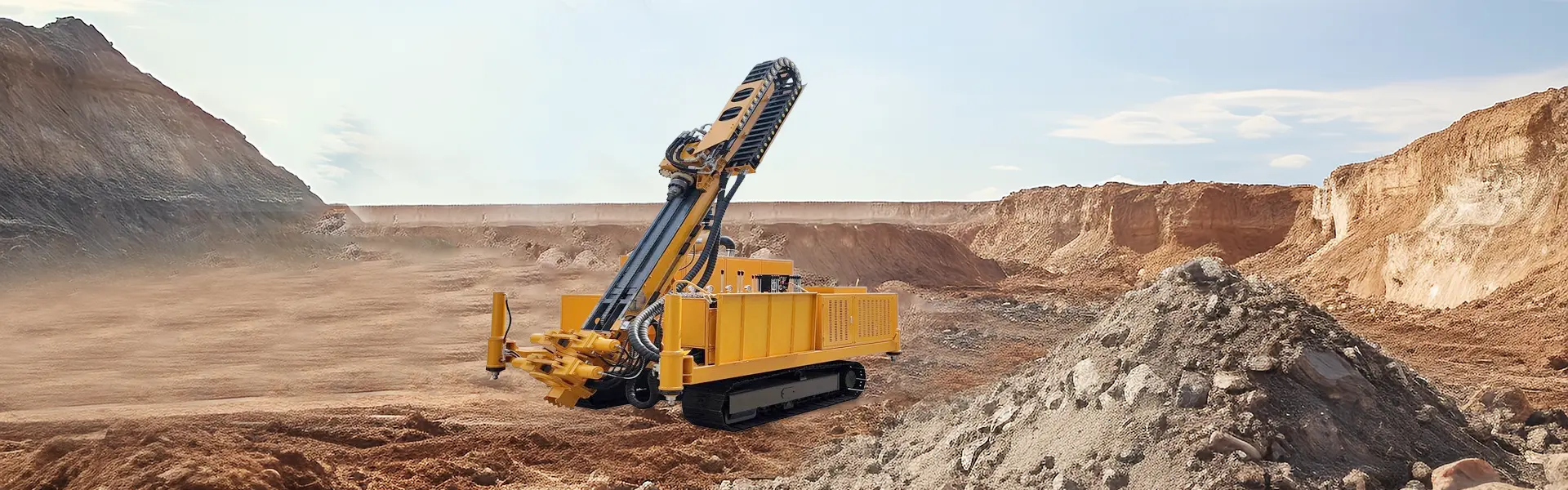
How to Troubleshoot a Loss of Pressure in Your Jet Grouting System?
How to Troubleshoot a Loss of Pressure in Your Jet Grouting System?
Pressure loss is a typical common fault of jet grouting systems, manifested as unstable system pressure, inability to reach preset working pressure and rapid pressure drop during operation. It directly leads to insufficient jet impact force, poor soil cutting effect and unqualified grouting pile quality. Rapid fault location and elimination are key to restoring normal construction.
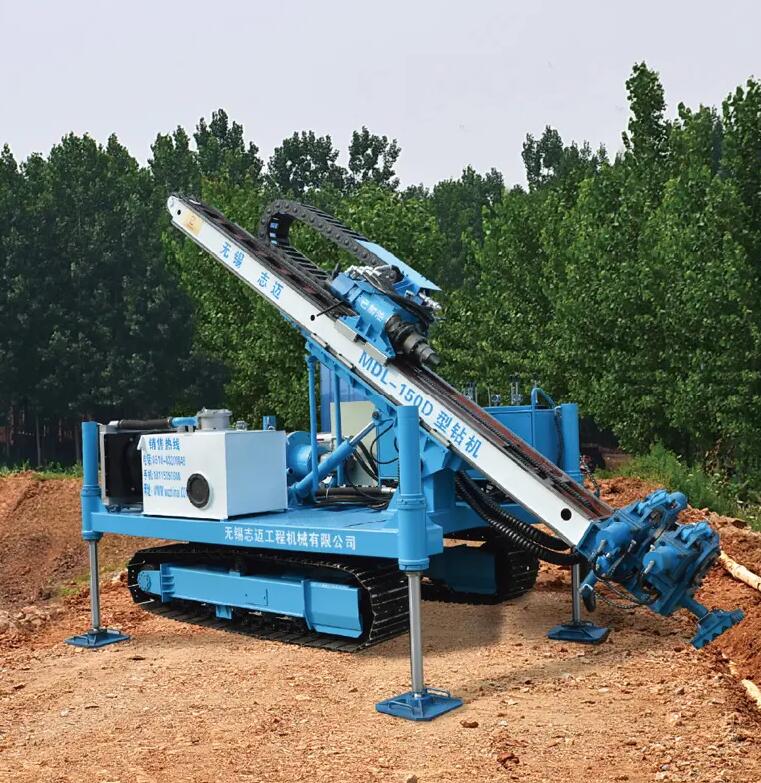
First, check external pipeline leakage and sealing faults. Pressure loss is mostly caused by loose pipeline joints, aging and damaged sealing rings, hose rupture and interface gaps. Inspect all high-pressure pipelines, joints and valve bodies section by section, find leakage points, fasten loose interfaces and replace failed sealing parts and damaged hoses. After eliminating external leakage, check the filter and nozzle for blockage, which will cause fluid flow resistance and pressure drop, and clean blocked components in time.
If the pressure still cannot recover, troubleshoot the core high-pressure pump failure. Inspect pump body wear, internal valve group failure and hydraulic system power insufficiency, which will cause insufficient pumping pressure and system pressure loss. Check whether the hydraulic oil is deteriorated or insufficient, and whether the power rotating speed is abnormal. After replacing damaged pump accessories and supplementing qualified hydraulic oil, conduct pressure test debugging. After troubleshooting, perform full-load pressure maintaining operation to confirm stable system pressure and eliminate hidden dangers thoroughly.
Send Inquiry



X
We use cookies to offer you a better browsing experience, analyze site traffic and personalize content. By using this site, you agree to our use of cookies.
Privacy Policy