 English
 שפה עברית
  Kurdî
Kurdî  Español
  Português
  русский
  tiếng Việt
  ภาษาไทย
  Malay
Malay  Türkçe
  العربية
  فارسی
فارسی  Burmese
  Français
  日本語
日本語  Deutsch
  Italiano
  Nederlands
  Polski
  한국어
한국어  Svenska
  magyar
  বাংলা ভাষার
  Dansk
Dansk  Suomi
Suomi  हिन्दी
  Pilipino
  Gaeilge
  Indonesia
  Norsk
Norsk  تمل
تمل  český
český  ελληνικά
  український
  Javanese
  தமிழ்
தமிழ்  తెలుగు
  नेपाली
  български
  ລາວ
ລາວ  Latine
  Қазақша
  Euskal
  Azərbaycan
  Slovenský jazyk
  Македонски
  Lietuvos
  Eesti Keel
  Română
  Slovenski

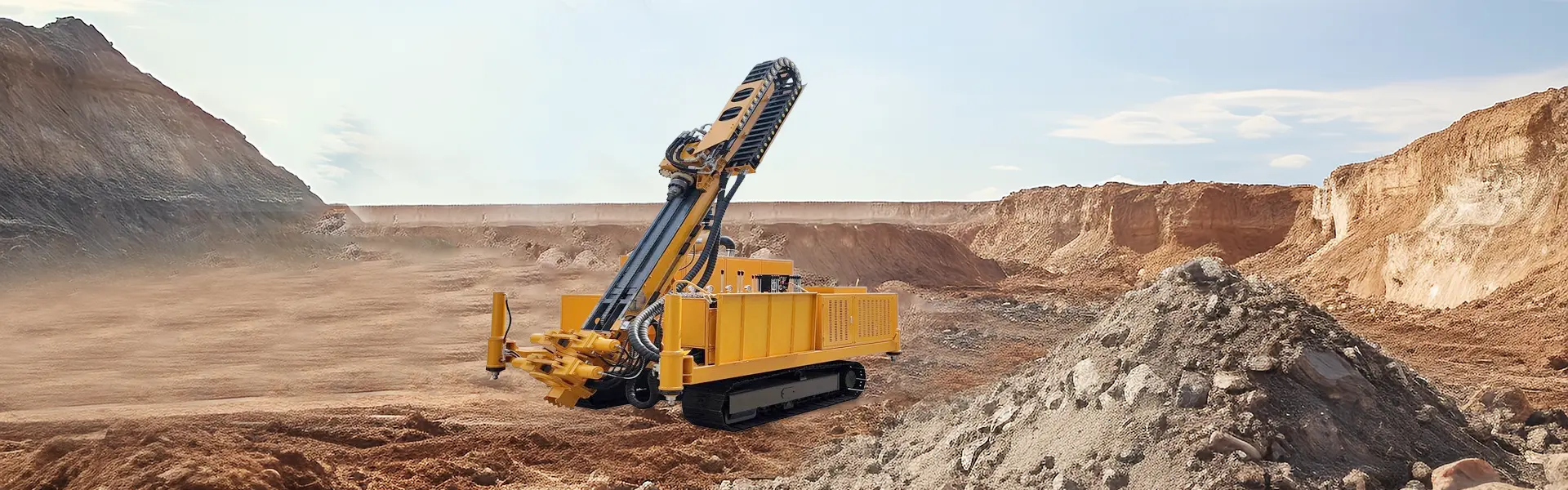
How Does Abrasive Soil Affect the Longevity of a Jet Grouting Rig's Components?
Abrasive soil containing a large number of hard sand grains, gravel and mineral particles is a harsh construction condition for jet grouting rigs. The high-hardness abrasive particles will cause continuous abrasive wear, impact damage and component aging to core equipment parts, significantly shortening the service life of key components and increasing failure frequency and maintenance costs.
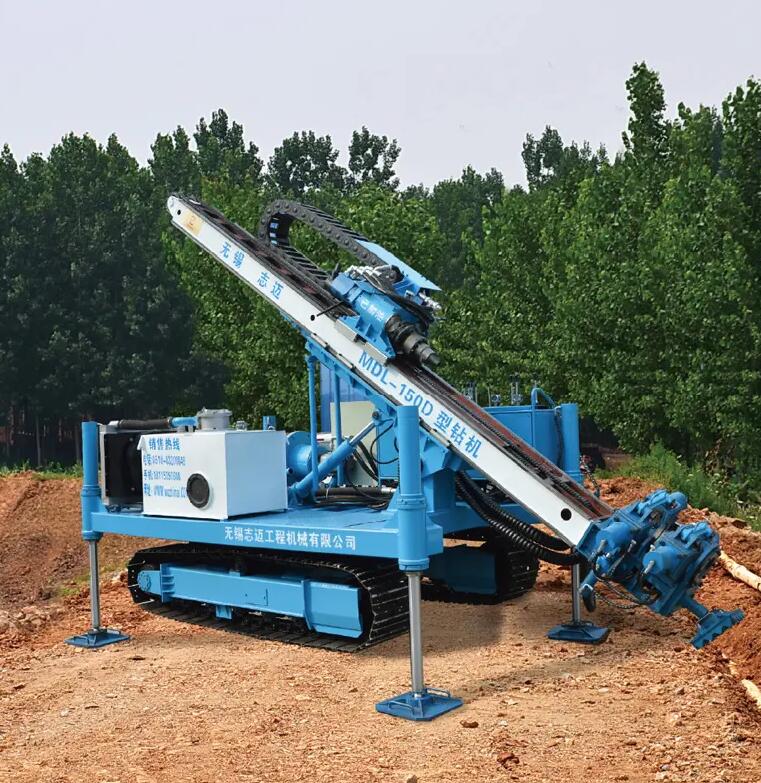
High-speed flowing abrasive slurry causes the most serious wear to nozzles, high-pressure pump cavities and pipeline inner walls. Hard particles continuously scour and friction the metal surface, causing gradual thinning, scratches and cavity abrasion of components, leading to reduced jet efficiency, pipeline pressure loss and pump body performance attenuation. The rotating and moving parts such as drill rods and rotary joints are also severely worn by abrasive soil, resulting in loose matching and reduced operating stability.
In addition, abrasive soil residues easily adhere to equipment surfaces and internal flow channels, causing scaling and blockage, increasing equipment operating load and accelerating component fatigue aging. Long-term abrasive construction will also aggravate the wear of sealing parts, causing oil and slurry leakage. To reduce adverse effects, it is necessary to strengthen slurry filtration, improve component wear resistance, increase cleaning frequency, and adjust construction parameters to reduce scouring intensity, so as to effectively delay component wear and extend the overall service life of the jet grouting rig.
Send Inquiry



X
We use cookies to offer you a better browsing experience, analyze site traffic and personalize content. By using this site, you agree to our use of cookies.
Privacy Policy