 English
 שפה עברית
  Kurdî
Kurdî  Español
  Português
  русский
  tiếng Việt
  ภาษาไทย
  Malay
Malay  Türkçe
  العربية
  فارسی
فارسی  Burmese
  Français
  日本語
日本語  Deutsch
  Italiano
  Nederlands
  Polski
  한국어
한국어  Svenska
  magyar
  বাংলা ভাষার
  Dansk
Dansk  Suomi
Suomi  हिन्दी
  Pilipino
  Gaeilge
  Indonesia
  Norsk
Norsk  تمل
تمل  český
český  ελληνικά
  український
  Javanese
  தமிழ்
தமிழ்  తెలుగు
  नेपाली
  български
  ລາວ
ລາວ  Latine
  Қазақша
  Euskal
  Azərbaycan
  Slovenský jazyk
  Македонски
  Lietuvos
  Eesti Keel
  Română
  Slovenski

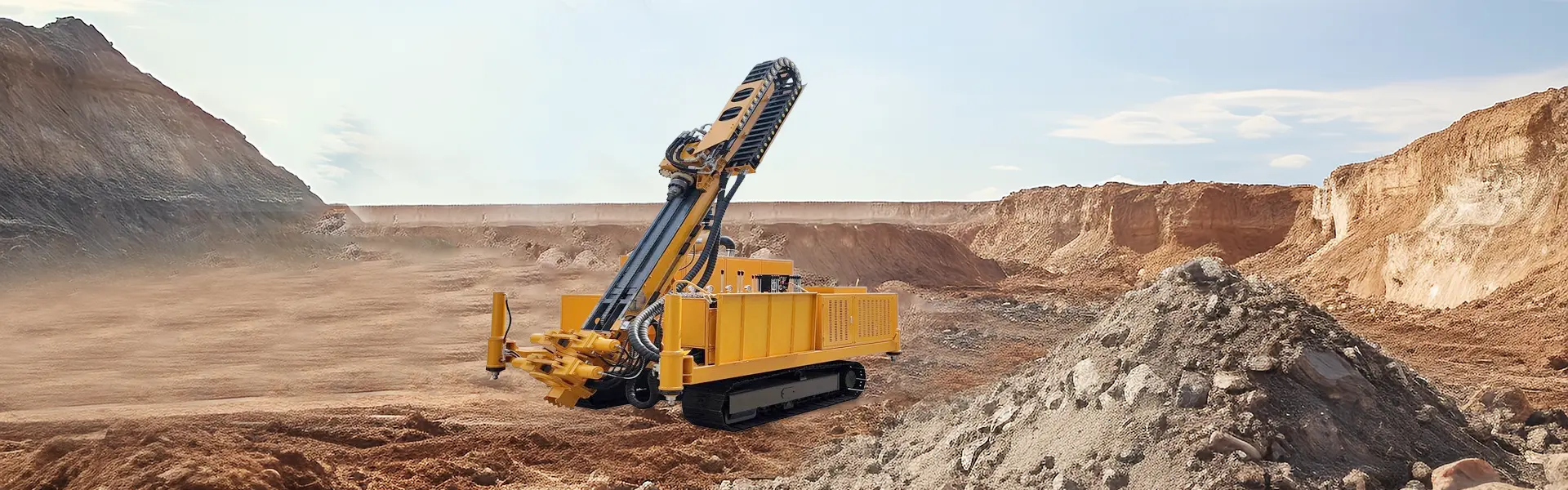
What Are the Critical Safety Alarms and Shutdowns on a Mining Drilling Rig?
What Are the Critical Safety Alarms and Shutdowns on a Mining Drilling Rig?
When seconds separate a near miss from a fatality, knowing what the critical safety alarms and shutdowns on a mining drilling rig are becomes essential. According to global safety standards, the highest‑priority alarm is the mast overload sensor. If pull‑down force exceeds safe limits, an audible siren and flashing red light activate, followed by an automatic feed stop. The second critical alarm is the fire detection system, typically using ultraviolet/infrared flame sensors inside the engine compartment and hydraulic bay.
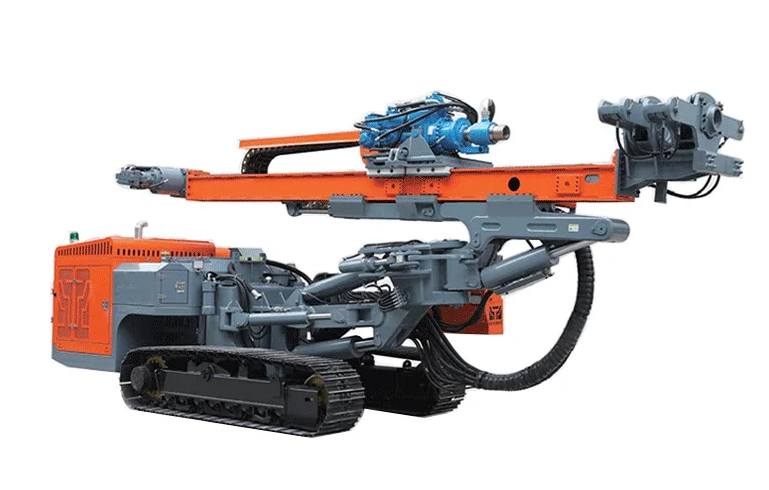
Upon detection, the system triggers an automatic engine shutdown and releases a dry chemical extinguisher. The third non‑negotiable shutdown is the emergency stop (E‑stop) circuit, which cuts all power to rotation, feed, and traction within 0.5 seconds. Additionally, gas monitoring alarms for methane or carbon monoxide, when integrated with the rig's PLC, will halt drilling and raise the mast if explosive conditions are detected.
Finally, cabin door interlocks that prevent drilling unless the operator is seated with a seatbelt engaged have become mandatory in many jurisdictions. Regular weekly testing of these alarms, not just monthly checks, is the only way to ensure they function when needed most.
Send Inquiry



X
We use cookies to offer you a better browsing experience, analyze site traffic and personalize content. By using this site, you agree to our use of cookies.
Privacy Policy