 English
 שפה עברית
  Kurdî
Kurdî  Español
  Português
  русский
  tiếng Việt
  ภาษาไทย
  Malay
Malay  Türkçe
  العربية
  فارسی
فارسی  Burmese
  Français
  日本語
日本語  Deutsch
  Italiano
  Nederlands
  Polski
  한국어
한국어  Svenska
  magyar
  বাংলা ভাষার
  Dansk
Dansk  Suomi
Suomi  हिन्दी
  Pilipino
  Gaeilge
  Indonesia
  Norsk
Norsk  تمل
تمل  český
český  ελληνικά
  український
  Javanese
  தமிழ்
தமிழ்  తెలుగు
  नेपाली
  български
  ລາວ
ລາວ  Latine
  Қазақша
  Euskal
  Azərbaycan
  Slovenský jazyk
  Македонски
  Lietuvos
  Eesti Keel
  Română
  Slovenski

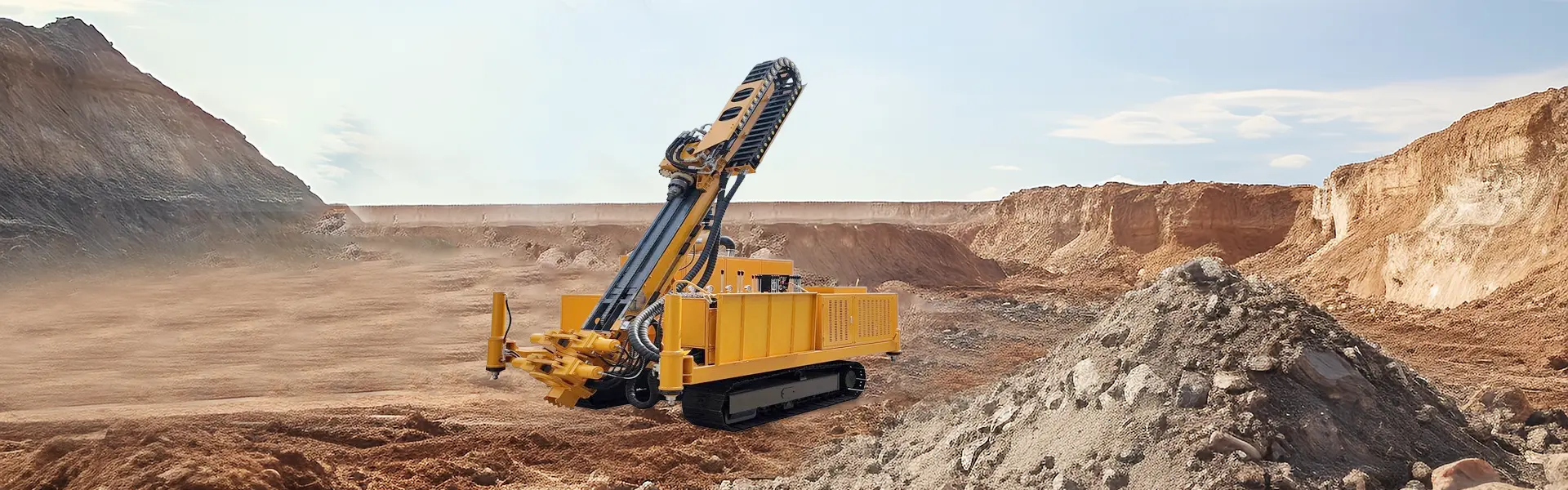
Key Processes for Multi-functional Anchoring Drilling Rig in Slope Stabilization
Key Processes for Multi-functional Anchoring Drilling Rig in Slope Stabilization
Slope stabilization is a critical geotechnical engineering activity essential for infrastructure safety, landslide prevention, and environmental conservation. The advent of the multi-functional anchoring drilling rig has revolutionized this field, integrating diverse capabilities into a single, mobile platform. This article outlines the key operational processes that define its effectiveness in complex stabilization projects.
1. Site Investigation and Geotechnical Profiling
The initial process involves comprehensive site investigation using integrated probing tools. Modern rigs often incorporate permeability testing apparatus and cone penetration sensors to evaluate soil stratification, groundwater conditions, and shear strength parameters. This data informs the optimal anchoring design, including depth (typically 15-30 meters for medium slopes), inclination, and grout mix formulation. For instance, in sedimentary rock slopes, resistivity imaging modules can identify fracture zones requiring reinforced anchoring patterns.
2. Precision Drilling and Hole Formation
The core function involves adaptive drilling through varying geological formations. Multi-functional rigs employ dual-rotation systems combining top-hammer percussion for fractured rock and rotary-percussive methods for cohesive soils. Advanced models feature automated verticality control with laser-guided alignment (maintaining ±0.5° deviation) and casing advancement systems that prevent borehole collapse in unconsolidated strata. In a 2022 slope reinforcement project in the Alps, such rigs achieved 40-meter deep boreholes through alternating limestone and clay layers with 99% borehole integrity.
3. Simultaneous Grouting and Anchor Installation
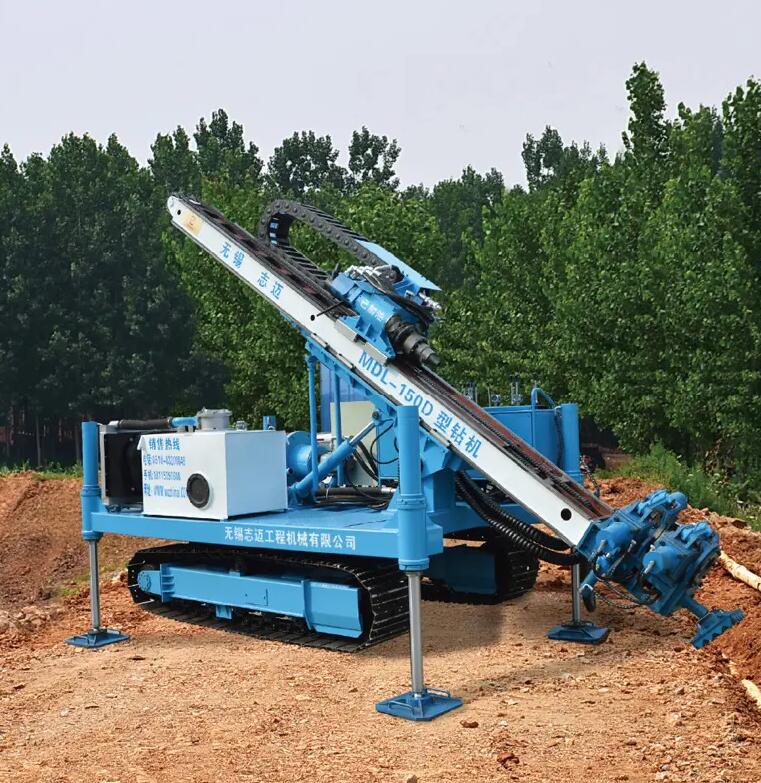
A distinguishing feature is the integrated grout-anchor placement system. Using twin-chamber grout pumps, the rigs can execute pressure grouting (0.5-1.5 MPa range) while simultaneously inserting steel tendons or soil nails. This process ensures complete grout encapsulation of anchors, with real-time monitoring of grout density (maintained at 1.8-2.0 g/cm³) and volume. The "drill-and-grout-in-one-pass" methodology reduces installation time by 60% compared to conventional methods, as documented in a Japanese railway slope project.
4. Robotic Reinforcement Deployment
For complex slope geometries, rigs equipped with articulated robotic arms install multi-layer reinforcement. This includes:
Mesh anchoring: Fixing welded wire grids using pneumatic staple guns
Micropile clusters: Installing 8-12 piles in fan-shaped configurations
Self-drilling anchors: Combining drilling, grouting, and anchoring in cohesionless soils
5. Real-time Monitoring and AI Integration
Post-installation, the rig transforms into a monitoring station using embedded fiber-optic sensors in anchors. Parameters like axial load (measured via vibrating wire load cells), ground movement (detected by MEMS inclinometers), and pore pressure are transmitted to cloud platforms. Machine learning algorithms analyze trends to predict anchor performance, with some systems achieving 94% accuracy in 7-day failure forecasts, as reported in Norwegian fjord stabilization projects.
6. Eco-adaptive Modifications
Contemporary rigs incorporate environmental safeguards including:
Dust suppression using atomized mist cannons
Slurry recycling systems that separate and reuse 85% of drilling fluids
Low-noise hydraulic systems maintaining <75 dB at 10 meters distance
Hybrid power options (diesel-electric) reducing onsite emissions by 40%
Technological Evolution and Case Validation
The transition from single-function drills to today's integrated systems represents a technological leap. A 2023 comparative study of landslide rehabilitation in California's coastal ranges demonstrated that multi-functional rigs completed stabilization 2.3 times faster than conventional equipment, with a 35% reduction in material waste. Their ability to switch between jet grouting (for soil consolidation) and anchor coring (for rock bolting) within the same operational cycle makes them indispensable for slopes with heterogeneous composition.
Conclusion
The multi-functional anchoring drilling rig embodies the convergence of mechanical engineering, geoscience, and digital innovation in slope stabilization. By consolidating investigation, drilling, reinforcement, and monitoring into a seamless workflow, it addresses both technical and economic challenges of slope rehabilitation. As climate change intensifies rainfall patterns and seismic activity, these adaptive machines will play an increasingly vital role in protecting vulnerable slopes, with ongoing advancements in autonomous operation and smart material integration poised to further transform geohazard mitigation strategies.
Send Inquiry



X
We use cookies to offer you a better browsing experience, analyze site traffic and personalize content. By using this site, you agree to our use of cookies.
Privacy Policy