 English
 שפה עברית
  Kurdî
Kurdî  Español
  Português
  русский
  tiếng Việt
  ภาษาไทย
  Malay
Malay  Türkçe
  العربية
  فارسی
فارسی  Burmese
  Français
  日本語
日本語  Deutsch
  Italiano
  Nederlands
  Polski
  한국어
한국어  Svenska
  magyar
  বাংলা ভাষার
  Dansk
Dansk  Suomi
Suomi  हिन्दी
  Pilipino
  Gaeilge
  Indonesia
  Norsk
Norsk  تمل
تمل  český
český  ελληνικά
  український
  Javanese
  தமிழ்
தமிழ்  తెలుగు
  नेपाली
  български
  ລາວ
ລາວ  Latine
  Қазақша
  Euskal
  Azərbaycan
  Slovenský jazyk
  Македонски
  Lietuvos
  Eesti Keel
  Română
  Slovenski

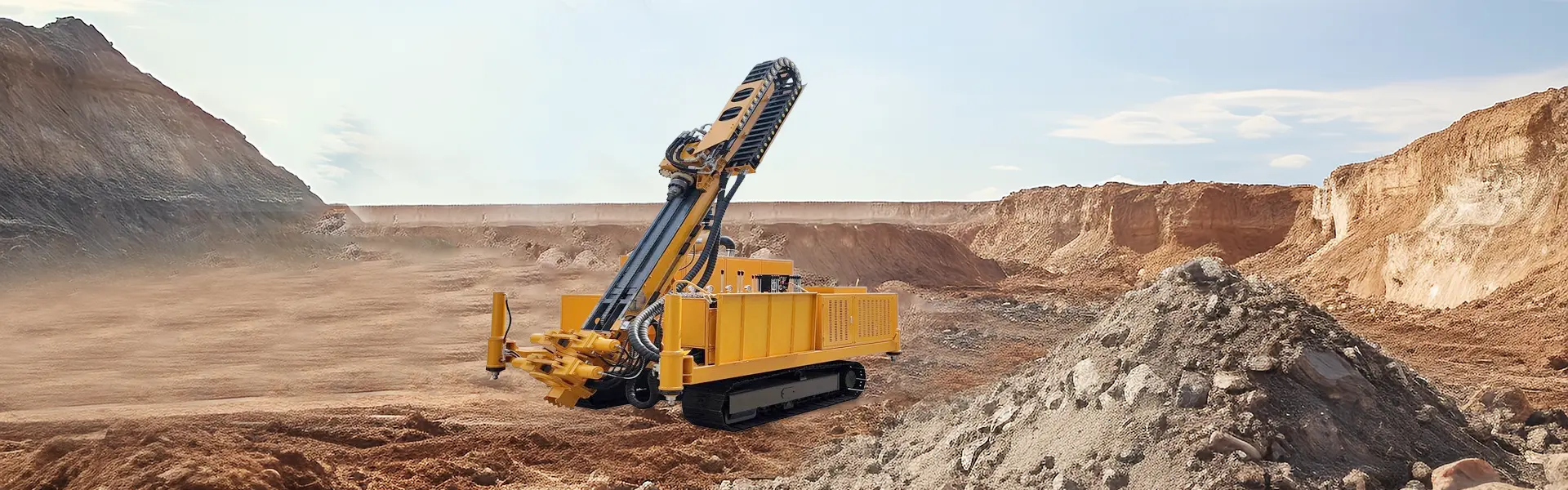
Common Faults and Solutions of Multifunctional Anchoring Drilling Rigs
Common Faults and Solutions of Multifunctional Anchoring Drilling Rigs
Multifunctional anchoring drilling rigs frequently encounter mechanical, hydraulic, and operational faults in foundation anchoring and slope support construction, and targeted solutions can effectively solve common problems and restore equipment performance. The first common fault is insufficient drilling torque and weak feeding force, mainly caused by hydraulic oil deterioration, filter blockage, and hydraulic pump wear.

The solution is to replace deteriorated hydraulic oil, clean the oil filter and oil circuit impurities, inspect and repair the hydraulic pump and pressure regulating valve, and calibrate system pressure to the standard working range. The second fault is drill rod jamming and difficult hole forming, mostly occurring in soft soil with water seepage and broken rock strata. The solution is to adopt low-speed reverse rotation to release the drill rod, increase flushing water flow to clean hole slag, and use casing protection for easy-collapsing strata to stabilize the hole wall. The third fault is poor sealing and grout leakage during anchoring grouting, caused by aging sealing rings and damaged nozzle joints.
It is necessary to replace all aging sealing accessories, polish damaged joint surfaces, and apply sealing glue to ensure tight docking of grouting pipelines. The fourth fault is unstable rotation speed and abnormal vibration, resulting from loose drill rod connection and uneven equipment grounding. The solution is to fasten drill rod joints, level the drilling rig base, and eliminate operational vibration interference. The fifth fault is motor overheating and power attenuation, caused by long-term overload operation and poor heat dissipation. Stop the machine for natural cooling, clean the heat dissipation dust, adjust construction parameters to avoid overload operation, and check circuit aging and short circuit hidden dangers. The sixth fault is slow grouting speed and pipeline blockage, caused by uneven grout proportioning and residual solidified materials in pipelines. Clean the grouting pipeline thoroughly, adjust the water-cement ratio to ensure uniform grout stirring, and flush the pipeline with clean water after each grouting operation. Regular fault summary and targeted maintenance can effectively reduce equipment failure rate and ensure continuous and stable construction.
Send Inquiry



X
We use cookies to offer you a better browsing experience, analyze site traffic and personalize content. By using this site, you agree to our use of cookies.
Privacy Policy