 English
 שפה עברית
  Kurdî
Kurdî  Español
  Português
  русский
  tiếng Việt
  ภาษาไทย
  Malay
Malay  Türkçe
  العربية
  فارسی
فارسی  Burmese
  Français
  日本語
日本語  Deutsch
  Italiano
  Nederlands
  Polski
  한국어
한국어  Svenska
  magyar
  বাংলা ভাষার
  Dansk
Dansk  Suomi
Suomi  हिन्दी
  Pilipino
  Gaeilge
  Indonesia
  Norsk
Norsk  تمل
تمل  český
český  ελληνικά
  український
  Javanese
  தமிழ்
தமிழ்  తెలుగు
  नेपाली
  български
  ລາວ
ລາວ  Latine
  Қазақша
  Euskal
  Azərbaycan
  Slovenský jazyk
  Македонски
  Lietuvos
  Eesti Keel
  Română
  Slovenski

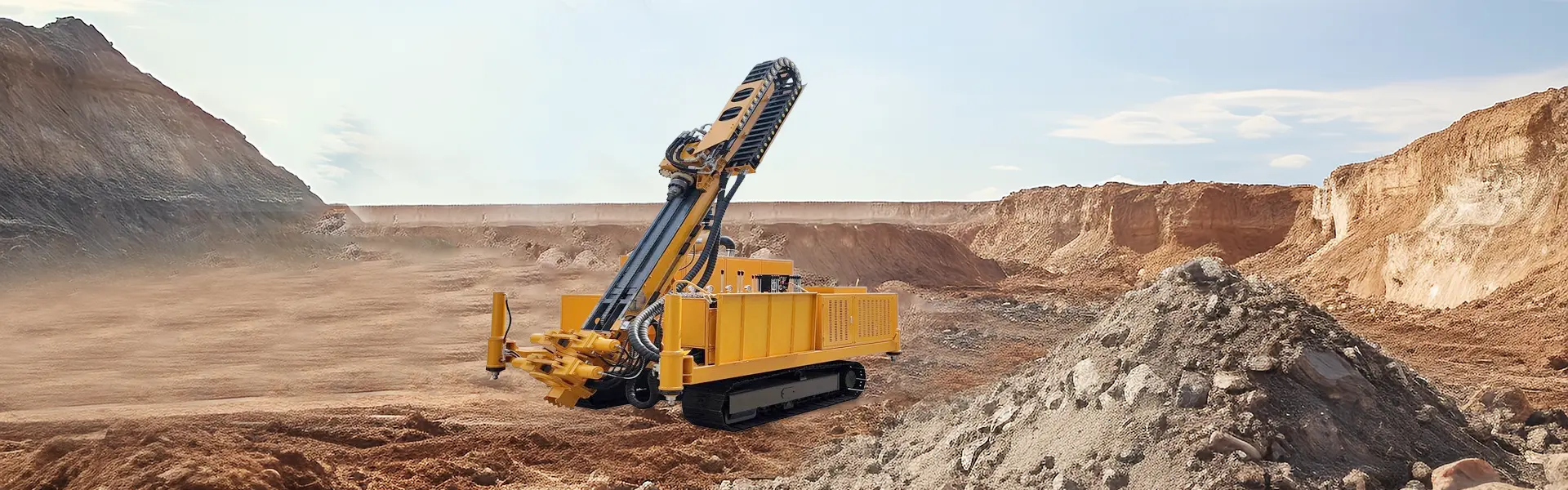
What Are the Common Nozzle Clogging Issues and How to Prevent Them?
What Are the Common Nozzle Clogging Issues and How to Prevent Them?
Nozzle clogging is a common and frustrating issue that affects the performance of equipment such as jet grouting rigs, spray systems, and cleaning equipment. Nozzle clogging occurs when debris, sediment, or hardened material accumulates in the nozzle, restricting or blocking the flow of fluid. This not only reduces the efficiency of the equipment but also can cause damage to other components, leading to increased maintenance costs and downtime. Understanding the common nozzle clogging issues and implementing preventive measures is essential to ensure smooth operation.
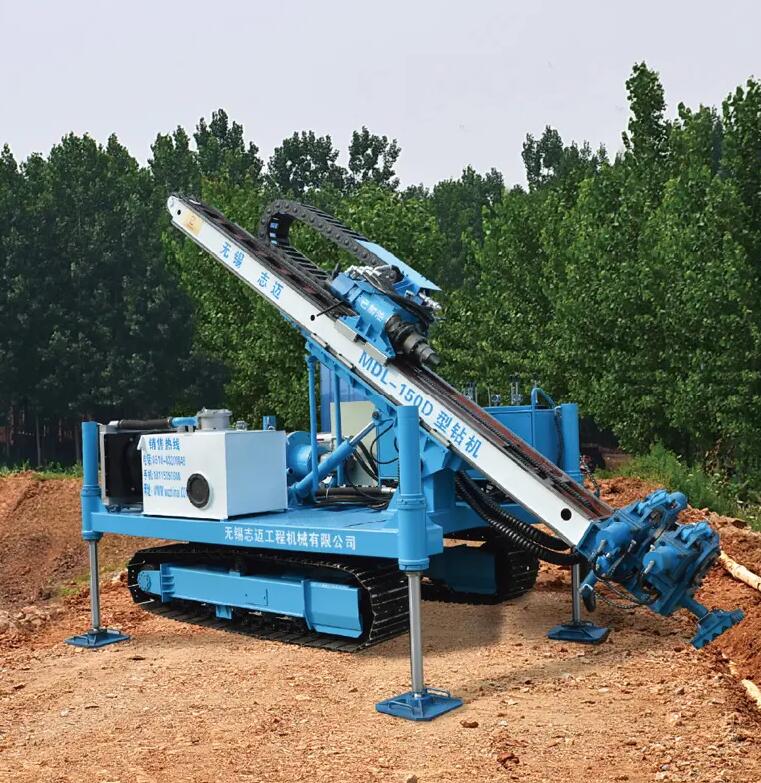
One of the most common nozzle clogging issues is the accumulation of solid particles. In jet grouting applications, the grout used often contains aggregates, sand, or other solid materials that can settle and accumulate in the nozzle over time. These particles can block the nozzle’s opening, reducing the flow rate and pressure of the grout. Additionally, debris from the drilling process—such as rock fragments, soil particles, or dust—can enter the nozzle and cause clogging. This type of nozzle clogging is particularly common in harsh geological conditions where the fluid contains high levels of suspended solids.
Another common nozzle clogging issue is the hardening of fluid residues. In jet grouting, the grout can dry and harden inside the nozzle if the equipment is not properly cleaned after use. This hardened residue forms a layer that narrows the nozzle’s opening and eventually causes complete clogging. Similarly, in systems that use chemical fluids, the chemicals can react and form deposits that clog the nozzle. This type of nozzle clogging is often preventable with proper cleaning practices.
Poor fluid filtration is also a major cause of nozzle clogging. If the fluid used in the equipment is not properly filtered, impurities and solid particles can pass through the system and accumulate in the nozzle. This is especially true for jet grouting rigs, where the grout must be filtered to remove large particles before entering the nozzle. Without proper filtration, the nozzle will quickly become clogged, leading to reduced performance and potential equipment damage.
Preventing nozzle clogging requires a combination of proper filtration, regular cleaning, and careful fluid management. First, install high-quality filters in the fluid system to remove solid particles and impurities before they reach the nozzle. Replace the filters regularly to ensure they remain effective. Second, clean the nozzle thoroughly after each use. For jet grouting rigs, flush the nozzle with clean water to remove any residual grout or debris, and use a soft brush to remove any stubborn deposits.
Additionally, monitor the fluid consistency and composition to prevent nozzle clogging. Adjust the grout or fluid mixture to ensure it does not contain excessive solid particles or materials that can harden. If the fluid is too thick, it can increase the risk of nozzle clogging, so adjust the viscosity as needed. Finally, inspect the nozzle regularly for signs of clogging, such as reduced flow rate or uneven spray pattern, and address any issues promptly. By implementing these preventive measures, operators can significantly reduce the occurrence of nozzle clogging, ensuring the equipment operates efficiently and reliably.
Send Inquiry



X
We use cookies to offer you a better browsing experience, analyze site traffic and personalize content. By using this site, you agree to our use of cookies.
Privacy Policy