 English
 שפה עברית
  Kurdî
Kurdî  Español
  Português
  русский
  tiếng Việt
  ภาษาไทย
  Malay
Malay  Türkçe
  العربية
  فارسی
فارسی  Burmese
  Français
  日本語
日本語  Deutsch
  Italiano
  Nederlands
  Polski
  한국어
한국어  Svenska
  magyar
  বাংলা ভাষার
  Dansk
Dansk  Suomi
Suomi  हिन्दी
  Pilipino
  Gaeilge
  Indonesia
  Norsk
Norsk  تمل
تمل  český
český  ελληνικά
  український
  Javanese
  தமிழ்
தமிழ்  తెలుగు
  नेपाली
  български
  ລາວ
ລາວ  Latine
  Қазақша
  Euskal
  Azərbaycan
  Slovenský jazyk
  Македонски
  Lietuvos
  Eesti Keel
  Română
  Slovenski

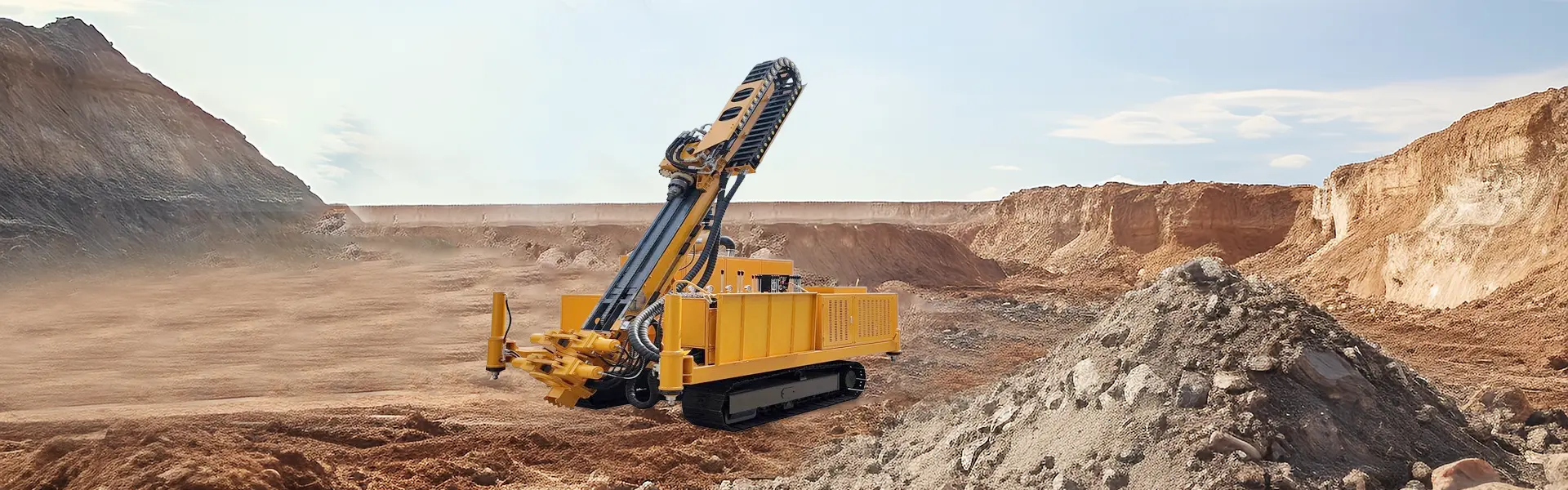
What Are the Latest Advancements in Multi-functional Anchoring Drilling Rig Technology?
What Are the Latest Advancements in Multi-functional Anchoring Drilling Rig Technology?
The technology behind multi-functional anchoring drilling rigs is undergoing a rapid and transformative evolution. Moving beyond mere mechanical integration, the latest advancements are focused on intelligence, precision, and extreme adaptability, turning these rigs into sophisticated robotic platforms that address the most challenging conditions in modern tunneling and mining.
1. The Rise of Intelligent, Automated Control Systems
The most significant leap forward is in automation and smart control. Leading manufacturers are developing systems that drastically reduce operator dependency and human error. For example, China Railway Construction Heavy Industry (CRCHI) has introduced a new generation of drill-anchor-grout rigs featuring a "One-Key Per Step" control system. This system simplifies complex operations into automated sequences, lowering the skill threshold for operators and ensuring consistent, repeatable execution of each drilling, anchoring, and grouting cycle.
This trend towards full autonomy is accelerating. Research and development are focused on machine vision and autonomous positioning. One groundbreaking patent application from a major manufacturer describes a system where a depth camera on a "drill-and-bolt" rig creates a real-time 3D map of the tunnel face. The system automatically identifies the positions of previously installed bolts and calculates the precise coordinates for new drill holes. It then guides the drilling boom to these locations without manual measurement or marking, achieving a level of speed and accuracy impossible for a human operator.
2. Unprecedented Precision in Confined and Complex Spaces
Modern projects often push into geologically complex areas with massive, tunnel-boring machines (TBMs) operating in tight confines. A critical challenge has been installing long, deep anchors perpendicular (normal) to the tunnel profile in the extremely limited space behind a TBM's cutterhead. Non-perpendicular anchors are less effective and can be unsafe for tensioning.
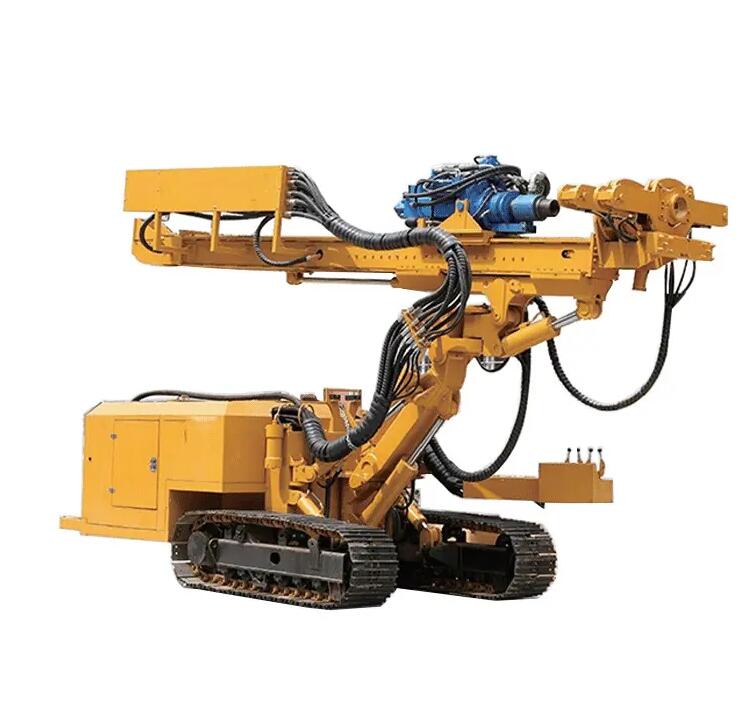
Recent breakthroughs have directly solved this. Engineers developed a TBM-mounted, omni-directional normal deep-hole drilling rig for a high-stress soft rock tunnel project. This specialized rig features a sophisticated swing arm-feeder beam linkage mechanism with an angle adjustment precision of ±0.5°. Coupled with a compact, 50% smaller rod clamp module, it can operate within a 2.4-meter-wide annular space and drill 8-12 meter deep holes at a perfect 90-degree angle to the tunnel wall at any location around its circumference. This precision ensures optimal anchoring force and has been shown to cut anchor cycle times by more than half, from 800 to 300 minutes per tunnel ring.
3. Enhanced Dexterity and Multi-Tasking Capabilities
Advancements are not limited to single-boom rigs. To maximize face coverage and efficiency, new designs incorporate multiple, independently operating drilling units. A patent for a "multi-directional drilling-and-anchoring robot" reveals a system with six separate drill units mounted on a single frame. These units can work simultaneously on the tunnel roof and walls. Crucially, their independent movement allows them to cover gaps or "missed spots" left by other units without requiring the entire massive machine to reposition, significantly boosting overall work efficiency.
4. Focus on Durability and Harsh Environment Operation
Technology is also improving rig robustness. New patents highlight integrated systems designed to tackle the two biggest enemies of underground equipment: dust and impact damage. One innovative design incorporates a dedicated dust extraction system with fans, suction ports, and filter boards that actively capture dust at the source, protecting both the machine's components and the health of the crew. Furthermore, buffering systems with dampers and springs are being added to protect the rig's structural framework from impacts by falling rock fragments, enhancing longevity in rugged conditions.
Conclusion: The Path Towards Robotic Job Sites
The latest advancements in multi-functional anchoring rig technology clearly point towards a future of robotic, sensor-driven, and networked construction sites. The convergence of automated control, precision guidance, multi-arm dexterity, and hardened design is creating machines that are not just tools, but intelligent partners in engineering. These rigs increase safety by removing personnel from hazardous areas, boost quality through unerring precision, and drive down costs through dramatic gains in efficiency. As infrastructure projects become more ambitious and ground conditions more difficult, these smart anchoring rigs will be fundamental to turning engineering challenges into achievable realities.
Send Inquiry



X
We use cookies to offer you a better browsing experience, analyze site traffic and personalize content. By using this site, you agree to our use of cookies.
Privacy Policy